 View all
 Champagne
 Sparkling Wines
 Red Wines
 White Wines
 Rosé Wines
 Alcohol-free
 Bag in box
 Fortified Wines
 Passito Wines
 Cocktails
 Gin
Gin
 Liqueur
 Whisky
 Rum
Rum
 Grappa
 Alcohol-free
 Brandy
 Eau de vie
 Tequila
 Vodka
Vodka
 Blonde
 Red
Red
 Amber
Amber
 Dark
Dark
 Mixology
 Beers
Beers
 Olive Oil
 Vinegar
 Accessories


Product details
Description
What type of wine is it
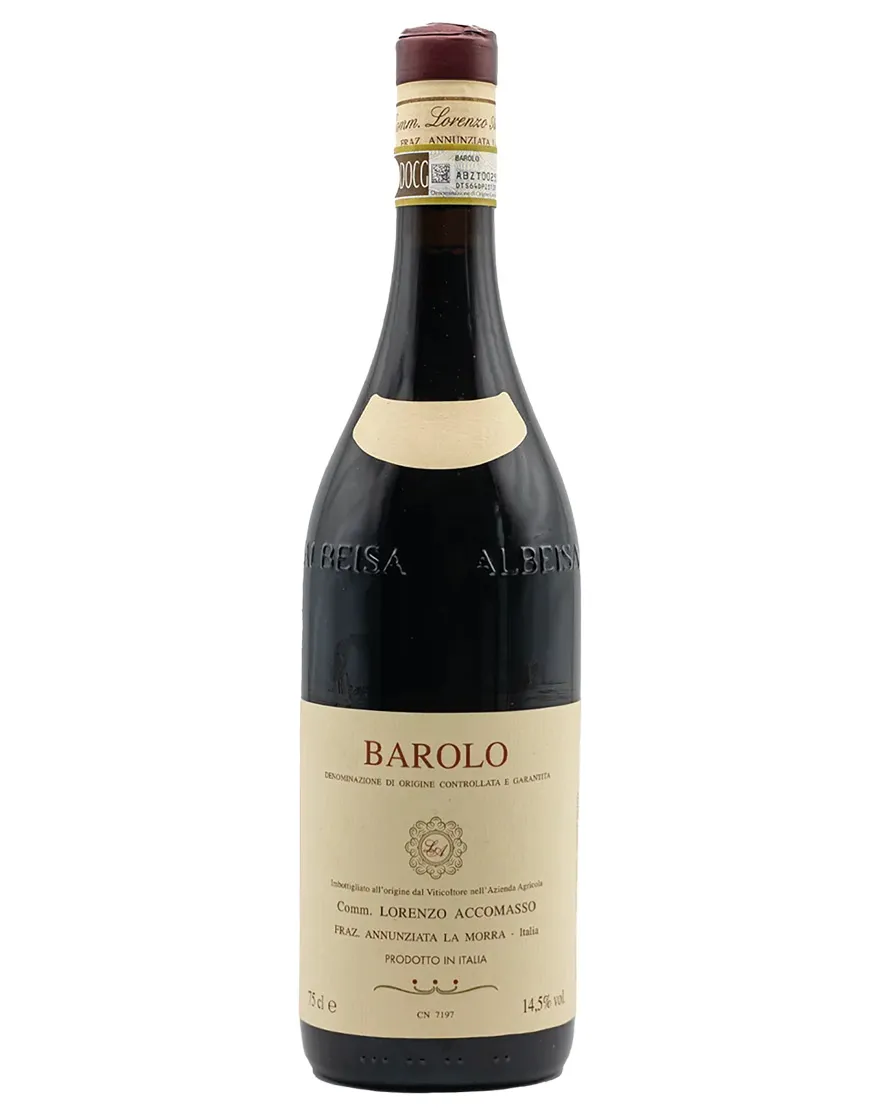
Accomasso Barolo is a still red wine made from Nebbiolo grapes grown in La Morra, in the heart of the Langhe. The traditional style is reflected in a full structure and an elegant profile, with a good capacity for aging. Winemaking includes spontaneous fermentation in stainless steel and a long aging in large wooden casks, which contribute to fine tannins and a clear territorial expression.
Where does it come from
The Nebbiolo grapes come from vineyards in the municipality of La Morra, in historic crus such as Annunziata and Rocche dell’Annunziata, in the heart of the Langhe. The clay-rich soils, with blue marl and limestone, promote aromatic depth and precise tannins.
How it is produced
The grapes are picked at full phenolic ripeness to maintain the balance between acidity and tannin. Spontaneous fermentation takes place in steel tanks, with maceration on the skins to extract color and structure. The wine then matures for a long period in large wooden casks for at least 24 months, before resting in bottle. This process ensures aromatic stability, tannin integration, and enhances the typical character of Nebbiolo.
Tasting notes
In the glass it shows a clear garnet red, transparent, with brick hues after aeration. On the nose it offers a complex bouquet: cherry in spirit, small red fruits, orange peel, tobacco, dried herbs, licorice, and sweet spices, evolving towards balsamic notes, leather, and violet petals. On the palate it is dry, full-bodied, with silky tannins, vibrant acidity, and a long finish recalling spicy and citrusy nuances.
Pairings
This Barolo pairs with braised red meats, stews, and slow-cooked dishes, where the tannic weave and acidity enhance the succulence. Also ideal with game and aged cheeses, it highlights Piedmontese cuisine such as brasato al Barolo, beef cheek, and tajarin with meat ragù. Its aromatic complexity stands up well to mushroom and truffle-based sauces, offering great versatility in pairings.
When to serve it
It is a red wine suitable for important occasions and seasonal dinners with rich dishes. It expresses itself best after proper aeration and when served at a cool temperature in a wide glass, to favor the opening of its bouquet. Thanks to well-integrated tannins and acidity and long aging, it is suitable for cellaring and retains energy and complexity over time. With proper storage, it evolves towards tertiary notes without losing vibrancy.
5 products of Accomasso View all
5 products of Accomasso


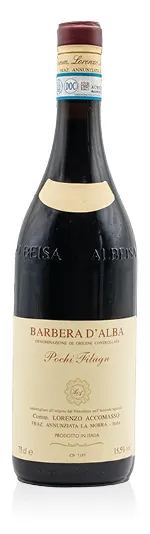
Barbera d'Alba DOC Pochi Filàgn 2021 Accomasso
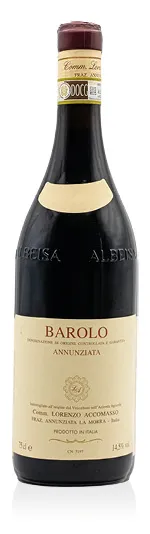
Barolo DOCG Annunziata 2014 Accomasso
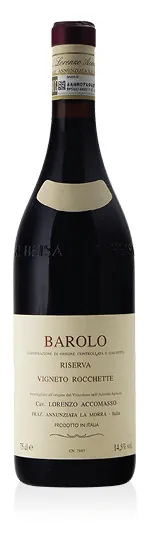
Barolo DOCG Riserva Vigneto Rocchette 2015 Accomasso
You may also be interested in


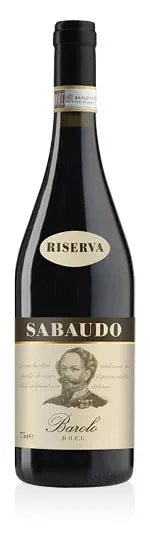
Barolo DOCG Riserva 2019 Sabaudo
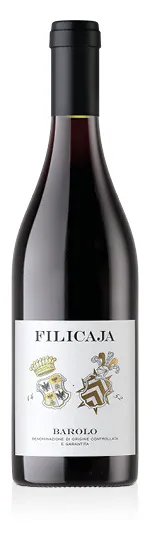
Barolo DOCG 2022 Villa da Filicaja
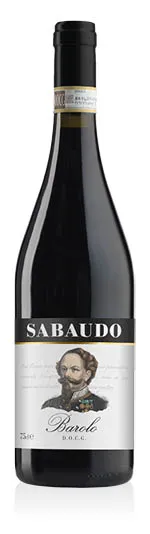
Barolo DOCG 2022 Sabaudo
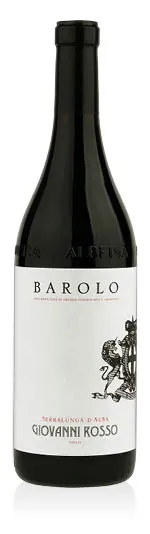
Barolo DOCG 2021 Giovanni Rosso
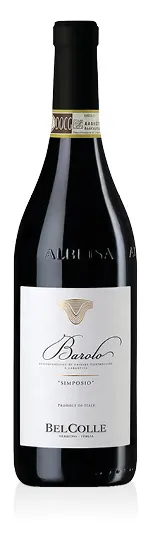
Barolo DOCG Simposio 2021 Bel Colle