 View all
 Champagne
 Sparkling Wines
 Red Wines
 White Wines
 Rosé Wines
 Alcohol-free
 Bag in box
 Fortified Wines
 Passito Wines
 Cocktails
 Gin
Gin
 Liqueur
 Whisky
 Rum
Rum
 Grappa
 Alcohol-free
 Brandy
 Eau de vie
 Tequila
 Vodka
Vodka
 Mixology
 Beers
Beers
 Olive Oil
 Vinegar
 Accessories


Product details

Description
What type of wine is it?
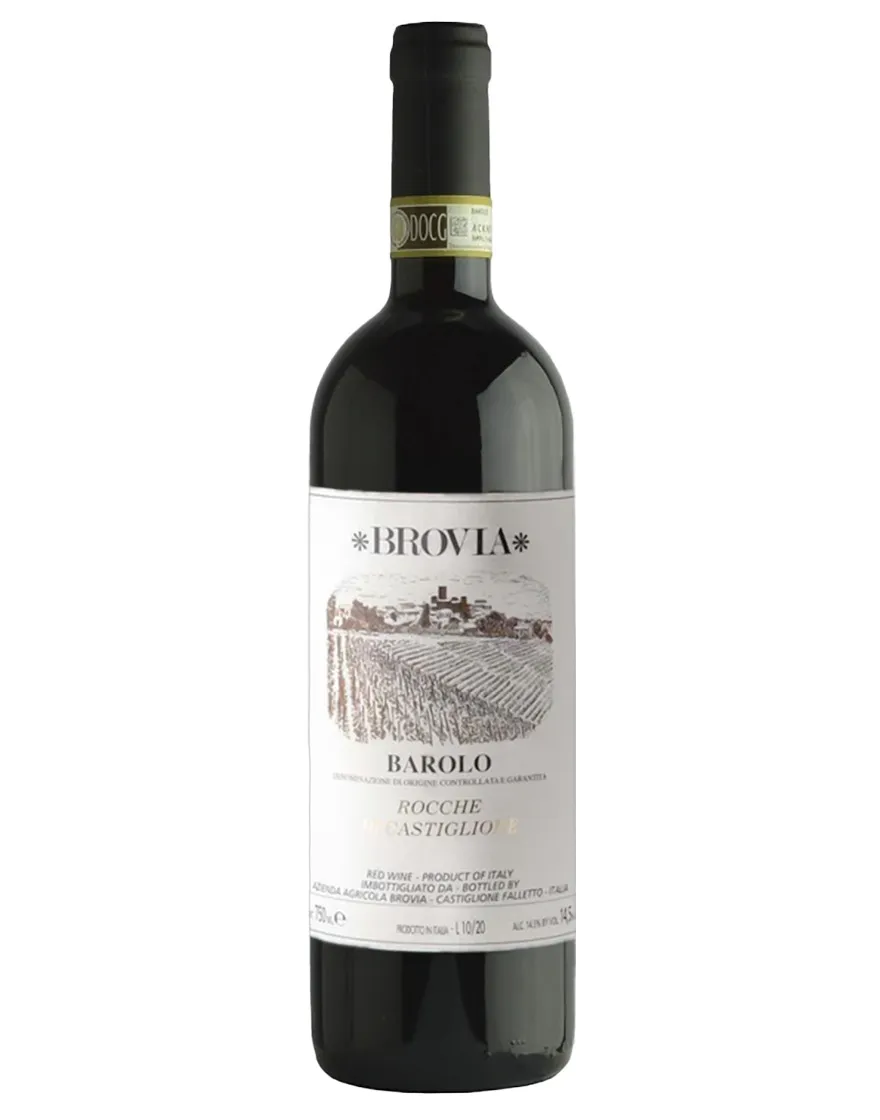
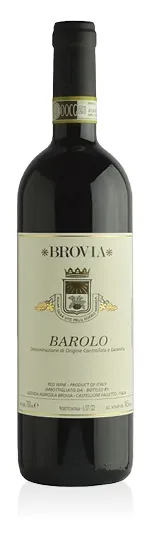
Barolo Rocche di Castiglione Brovia is a still red wine made from Nebbiolo. It originates from a cru that precisely embodies the character of its territory, blending structure and lively tension with a defined profile. The winemaking follows a traditional approach, and aging in large casks helps the wine reach a clear expression, also intended for evolution in the bottle.
Where does it come from?
It comes from the Rocche di Castiglione cru, from vineyards over fifty years old. Vine care is meticulous and quality-driven, aiming to offer a Barolo true to its origins. Central to the process are respect for tradition and the identity of the terroir, reflected in a personal and measured character.
How is it produced?
Harvesting is manual and the winemaking process follows a traditional style. Maturation takes place over 24 to 36 months in large French and Slavonian oak casks, a choice that enhances wood integration and refines the mouthfeel. The wine is not filtered, preserving its expression and readiness for aging.
Tasting notes
The aromatic profile is refined and complex, with notes of ripe red fruits, rose petals, delicate spices, and a mineral accent that supports freshness. On the palate, it offers a full and juicy sensation, with fine yet persistent tannins and a mineral energy that lengthens the finish. The closure is long and harmonious, in line with its essential and precise style.
Pairings
At the table, it pairs well with red meats, roast capon, and aged cheeses. Its tannic structure and savory drive complement flavorful dishes and substantial cooking techniques, while its aromatic definition keeps everything balanced and clean. It’s a natural pairing for those seeking intensity without losing precision.
When to serve it
It is suitable for occasions where a Barolo with a long progression and well-ordered tannic texture is desired. Its profile, built on large cask aging and extended maturation, makes it worth waiting for, as it develops consistently over time. On opening, a bit of oxygenation helps to open up its aromas and make the palate smoother.
4 products of Brovia View all
4 products of Brovia


Barolo DOCG Brea Vigna Ca' Mia 2020 Brovia
You may also be interested in

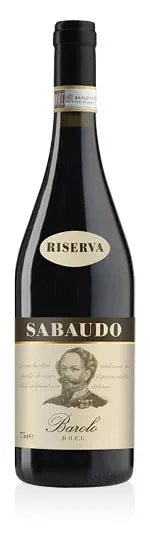
Barolo DOCG 2022 Sabaudo
Barolo DOCG Ruj 2022 San Silvestro

Barolo DOCG Riserva 2018 Beni di Batasiolo

Barolo DOCG 2022 Villa da Filicaja
Barolo DOCG 2021 Giovanni Rosso