 View all
 Champagne
 Sparkling Wines
 Red Wines
 White Wines
 Rosé Wines
 Alcohol-free
 Bag in box
 Fortified Wines
 Passito Wines
 Cocktails
 Gin
Gin
 Liqueur
 Whisky
 Rum
Rum
 Grappa
 Alcohol-free
 Brandy
 Eau de vie
 Tequila
 Vodka
Vodka
 Blonde
 Red
Red
 Amber
Amber
 Dark
Dark
 Mixology
 Beers
Beers
 Olive Oil
 Vinegar
 Accessories


Product details

Description
What kind of wine is it
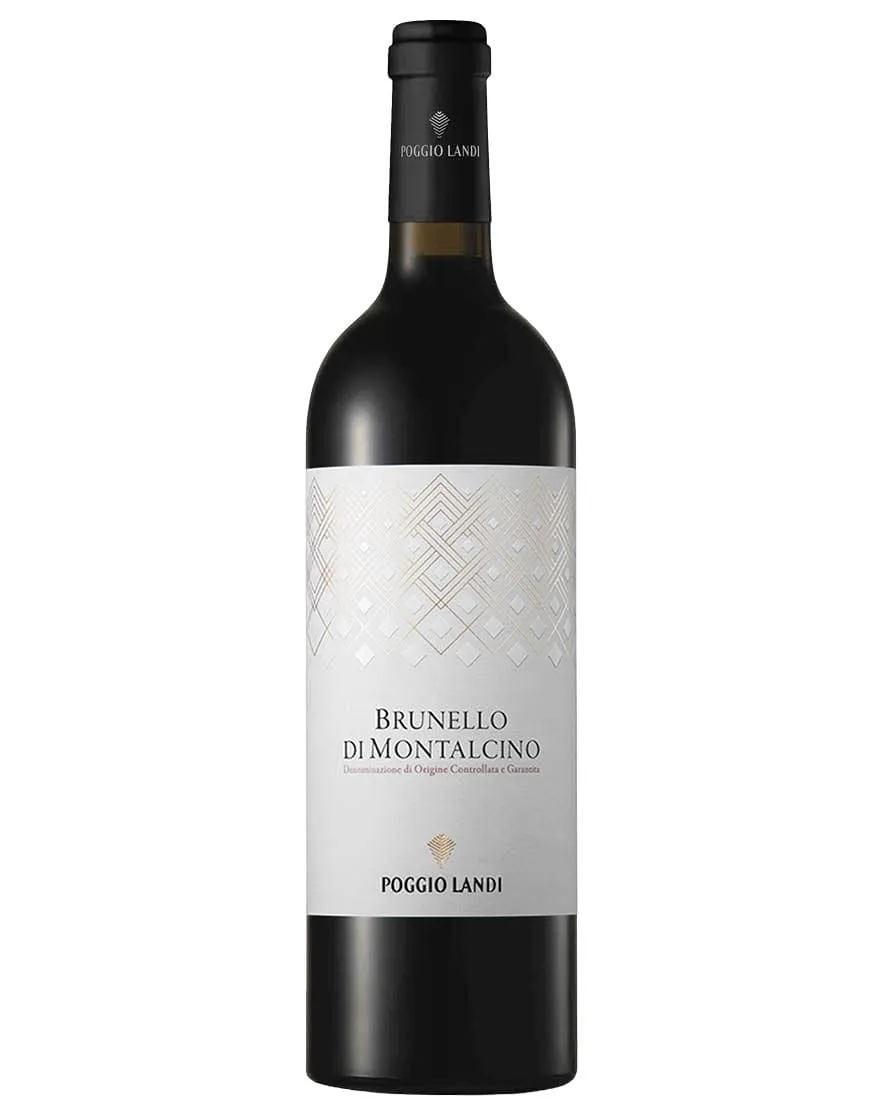
Brunello di Montalcino Poggio Landi is a red wine made from a selection of Sangiovese grapes from the estate, sourced from vineyards in Montalcino, Tuscany. Its style is intense and elegant, with a complex aromatic profile built on fruit and spice. Fermentation occurs spontaneously over about two weeks, followed by a long ageing period in French oak barrels and further bottle ageing that completes the balance on the palate.
Where does it come from
It originates in Montalcino, Tuscany, from estate vineyards located between 180 and 500 meters above sea level. The soils are clayey with a good presence of marl, features that define the growing environment and accompany the ripening of the grapes selected for this Brunello di Montalcino.
How is it produced
Harvesting is done by hand when the grapes have reached the correct degree of ripeness, thus preserving the integrity of the bunches. Spontaneous fermentation lasts about two weeks; afterwards, the wine is transferred to French oak barrels, where it matures for 38 months. It is then bottle-aged for at least 6 months, intended to harmonise the overall profile before tasting.
Tasting notes
In the glass, it appears ruby red. The nose offers a complex bouquet, with aromas of ripe red fruit combined with spicy notes of black pepper and liquorice. On the palate, it is intense and elegant, with consistent hints of fruit and spice; gentle vanilla nuances and a notably persistent finish can also be perceived.
What does it pair with
It pairs easily with aged cheeses and red meats, thanks to an intensity and persistence that support hearty dishes. It is also suitable for game dishes, where the notes of black pepper and liquorice blend with bold flavours.
When to serve it
It is recommended when a structured and complex red wine is desired to accompany a meat meal. The extended stay in French oak barrels and bottle ageing contribute to an already harmonised profile, fitting for occasions at the table where intensity and elegance can clearly emerge.
1 product of Poggio Landi View all
1 product of Poggio Landi


Rosso di Montalcino DOC 2023 Poggio Landi
You may also be interested in


Brunello di Montalcino Riserva DOCG 2020 Pian del Prete
Brunello di Montalcino DOCG Castelgiocondo 2020 Frescobaldi
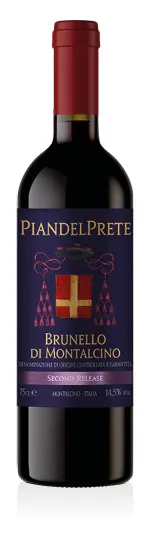
Brunello di Montalcino DOCG Second Release 2020 Pian del Prete
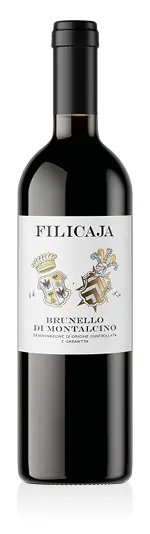
Brunello di Montalcino DOCG Collezione del Conte 2019 Villa da Filicaja
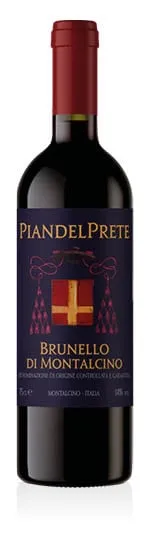
Brunello di Montalcino DOCG 2020 Pian del Prete