 View all
 Champagne
 Sparkling Wines
 Red Wines
 White Wines
 Rosé Wines
 Alcohol-free
 Bag in box
 Fortified Wines
 Passito Wines
 Cocktails
 Gin
Gin
 Liqueur
 Whisky
 Rum
Rum
 Grappa
 Alcohol-free
 Brandy
 Eau de vie
 Tequila
 Vodka
Vodka
 Mixology
 Beers
Beers
 Olive Oil
 Vinegar
 Accessories


Product details
Nutrition Declaration

Description
What kind of wine is it
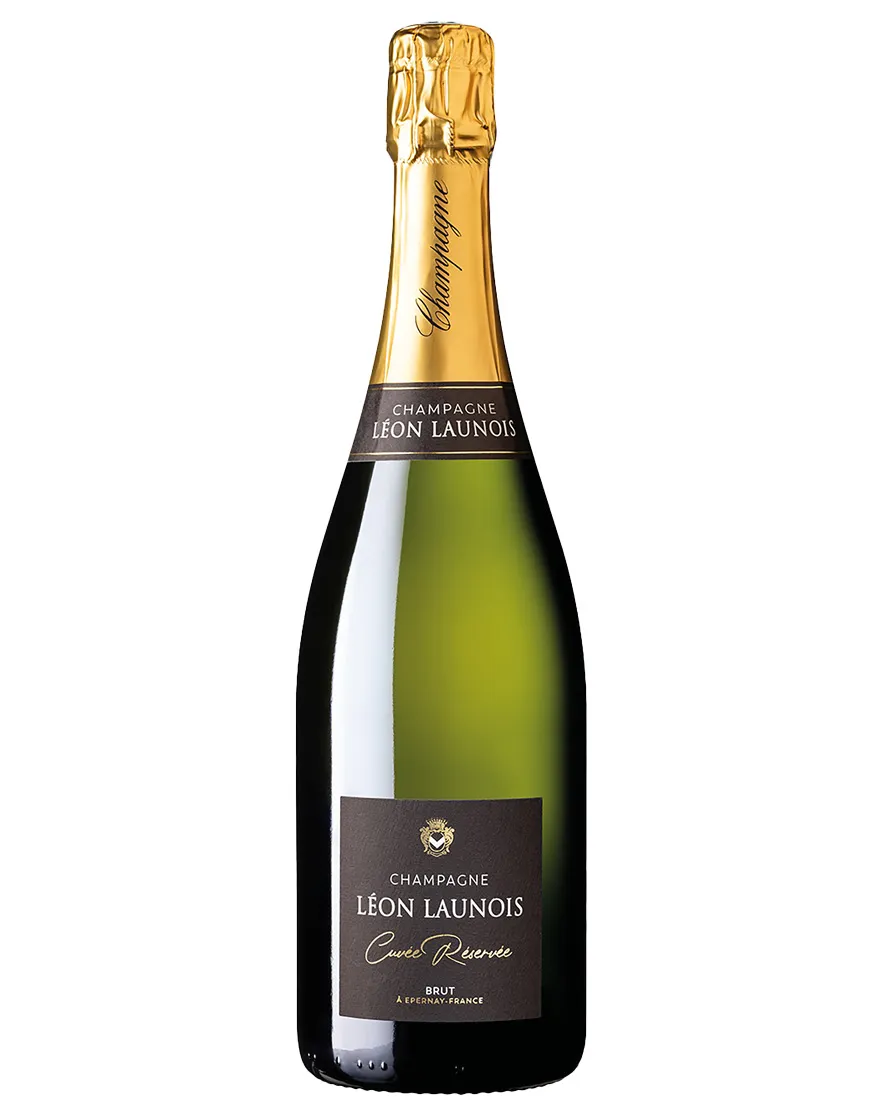
Cuvée Réservée Brut Champagne is produced by Léon Launois in the Champagne region from a blend of Pinot Noir, Chardonnay, and Pinot Meunier. The wine is made using the Traditional Method, with fermentation in stainless steel and secondary fermentation in the bottle, offering a fresh and balanced style. Prolonged aging on the lees creates a complex structure with notes of ripe fruit and light toasted hints, with a rich and harmonious aromatic profile.
Where does it come from
This Champagne originates in the Côte des Blancs, in Le Mesnil-sur-Oger. The terroir features limestone soils rich in marine fossils, and the wine displays marked minerality and natural acidity. The cool climate, influenced by Atlantic currents, favors slow ripening of the grapes, preserving freshness and aromatic complexity. The ventilated exposure and moderate altitudes lead to a fine perlage and a clear aromatic persistence.
How is it produced
The grapes are hand-harvested and carefully selected to preserve the integrity of the bunch. In the winery, fermentation takes place in stainless steel tanks at controlled temperatures, preserving the aromatic purity of Chardonnay and supporting the structure of the other varieties. The blend includes the use of reserve wines to increase complexity. Aging on the lees lasts between eighteen and twenty-four months in bottle, following the Traditional Method, giving the wine a delicate perlage and a precise tasting profile.
Tasting notes
In the glass, it shows a golden yellow color with a fine and persistent perlage. The nose reveals aromas of white and yellow fruit such as peach, plum, and apricot, accompanied by subtle notes of toasted hazelnut. The palate offers lively freshness, good acidity, and well-balanced body. The sip is creamy with a long finish, featuring hints of brioche and citrus nuances.
Pairings
This Champagne pairs with many dishes. Excellent as an aperitif, it accompanies delicate cold cuts such as Parma ham and bresaola. It matches fish dishes like sushi and sashimi, and goes well with white meats such as roasted chicken breast or turkey. In French cuisine, it pairs well with quiche Lorraine, and its creamy notes balance the wine's structure.
When to serve it
Best enjoyed young, within two or three years of purchase, to savor its freshness and lively perlage. The aging on the lees allows further aromatic evolution for another two years with more mature notes. It is recommended to serve at eight to ten degrees, in flutes or large glasses, making the perlage and primary aromas more pronounced.
2 products of Léon Launois View all
2 products of Léon Launois


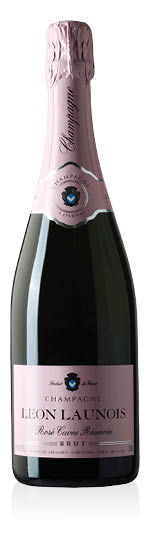
Champagne AOC Cuvée Réservée Rosé Brut Léon Launois

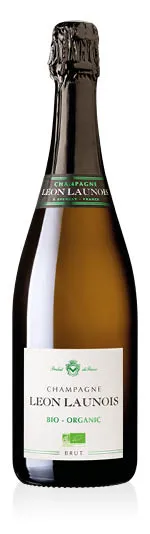
Champagne AOC Brut Léon Launois
You may also be interested in

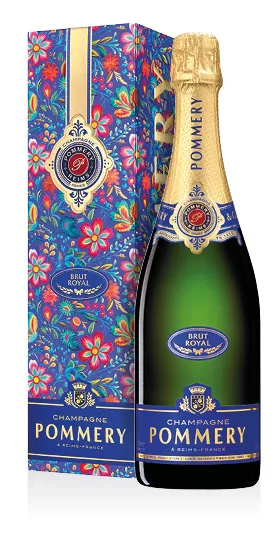
Champagne AOC Brut Royal Pommery

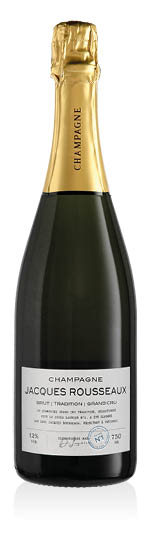
Champagne AOC Grand Cru Brut Cuvée 1 Tradition Jacques Rousseaux Laurier

Champagne AOC Grand Cru Bouzy Nature Cuvée 4 Delavenne Laurier
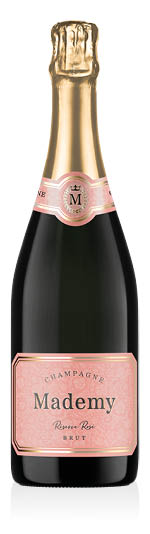
Champagne AOC Rosé Brut Grande Réserve Mademy
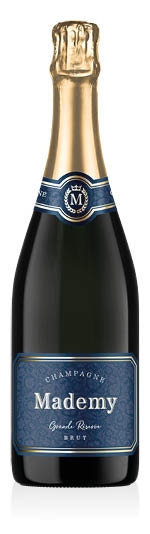
Champagne AOC Brut Grande Réserve Mademy