 View all
 Champagne
 Sparkling Wines
 Red Wines
 White Wines
 Rosé Wines
 Alcohol-free
 Bag in box
 Fortified Wines
 Passito Wines
 Cocktails
 Gin
Gin
 Liqueur
 Whisky
 Rum
Rum
 Grappa
 Alcohol-free
 Brandy
 Eau de vie
 Tequila
 Vodka
Vodka
 Mixology
 Beers
Beers
 Olive Oil
 Vinegar
 Accessories


Product details

Description
What kind of wine it is
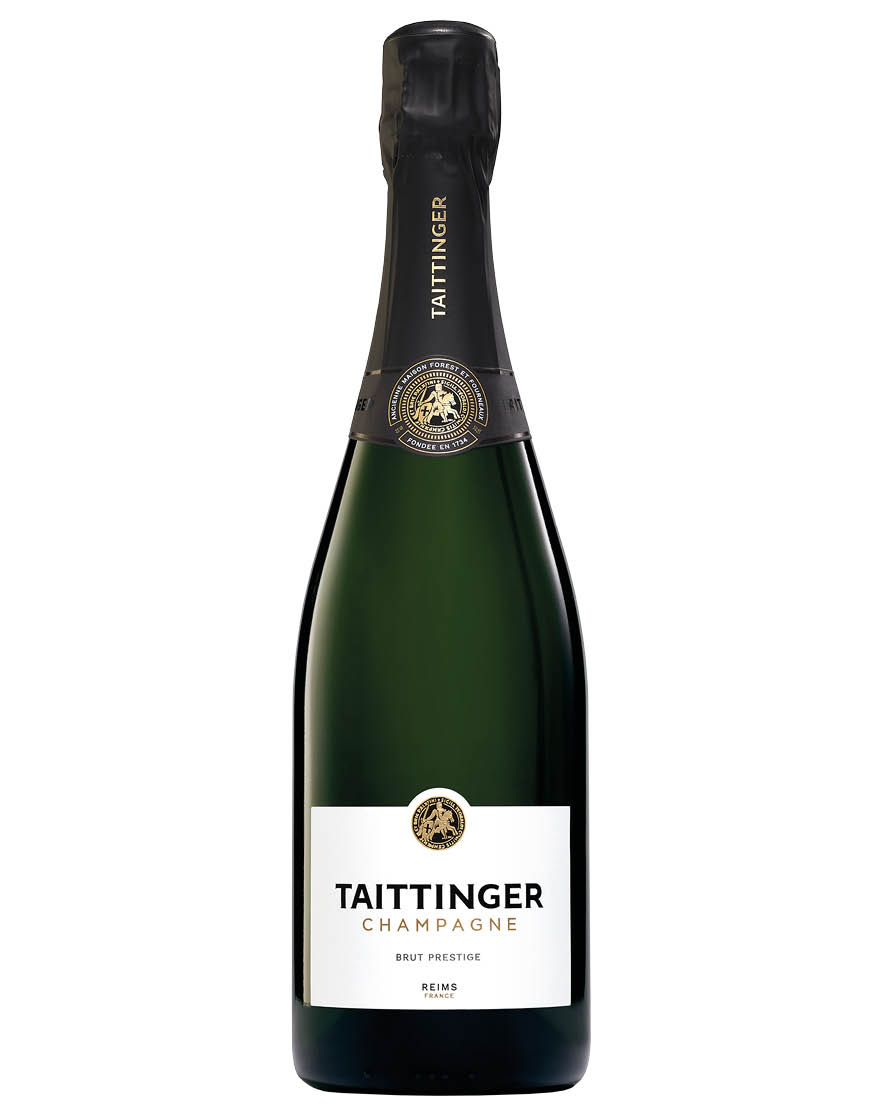
Taittinger Brut Prestige Champagne is made from Chardonnay, Pinot Noir, and Pinot Meunier. The winemaking follows the Traditional Method, with fermentation in stainless steel and secondary fermentation in the bottle, followed by an extended maturation on the lees. This approach yields a fresh and harmonious profile, an elegant, balanced structure, and a fine perlage, ideal for those who seek elegance and complexity.
Where it comes from
This Champagne comes from the Champagne region in northeastern France, with vineyards spread across Montagne de Reims, Vallée de la Marne, and Côte des Blancs. The chalky and limestone soils provide pronounced minerality, while the continental climate preserves a vibrant acidity. Elevation and exposure protect fresh aromas and stylistic precision, in line with the region’s long winemaking history.
How it is produced
Manual harvesting is done at full ripeness and gentle pressing extracts only the free-run must. Fermentation takes place in stainless steel tanks to maintain aromatic freshness. After blending the cuvées, the wine undergoes secondary fermentation in the bottle in accordance with the Traditional Method, maturing on the lees for 36-48 months. Remuage and low-dosage disgorgement ensure balance between creaminess and liveliness.
Tasting notes
In the glass, it displays a bright golden yellow color with a fine and persistent perlage. On the nose, notes of yellow-fleshed fruits like peach and apricot appear, along with hints of brioche and white flowers. The palate features a balanced structure, lively acidity, and creaminess thanks to prolonged lees contact. The finish is savory and harmonious, with nuances of honey and almond highlighting its elegance and persistence.
Pairings
Cuvée Prestige pairs beautifully with seafood appetizers, shellfish, and raw fish, thanks to its freshness and delicate perlage. In French cuisine, it enhances gratinated Coquilles Saint-Jacques and is excellent with fresh oysters. For Italian dishes, it complements Mediterranean fish soup, seafood risotto, or spaghetti with clams, enhancing the wine’s finesse and balanced structure.
When to serve it
This Champagne is best enjoyed young to appreciate its freshness and fruit and bakery notes, but it also has good aging potential. Serve at 8-10 °C, in flutes or large glasses to best appreciate the perlage and release the aromas. Prolonged lees aging encourages aromatic development and preserves balance between structure and finesse.
4 products of Taittinger View all
4 products of Taittinger


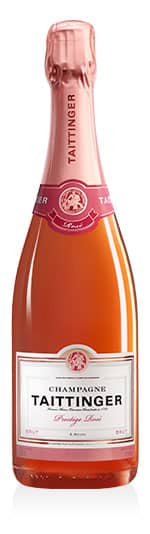
Champagne Brut AOC Prestige Rosé Taittinger
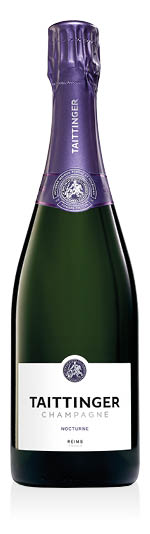

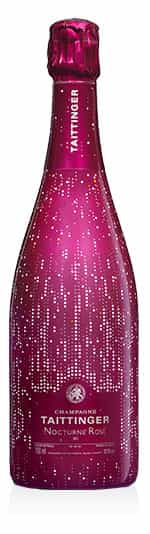
Champagne Sec AOC Nocturne Rosé Taittinger
You may also be interested in
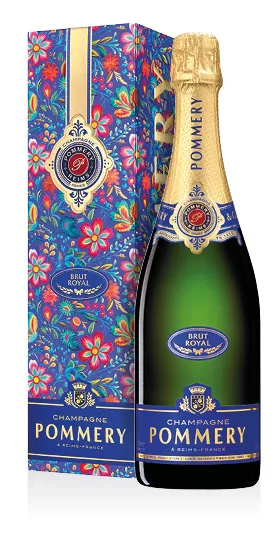
Champagne AOC Brut Royal Pommery


Champagne AOC Grand Cru Ambonnay Brut Rosé Cuvée 2 Secondé Simon Laurier
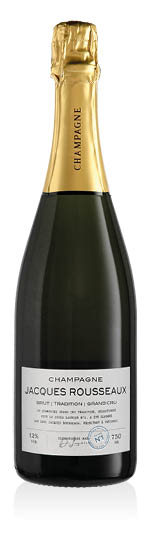
Champagne AOC Grand Cru Brut Cuvée 1 Tradition Jacques Rousseaux Laurier

Champagne AOC Grand Cru Bouzy Nature Cuvée 4 Delavenne Laurier
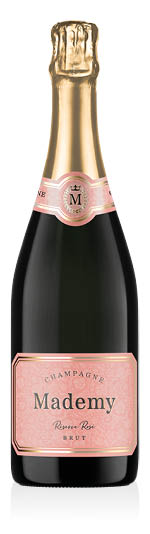
Champagne AOC Rosé Brut Grande Réserve Mademy