 View all
 Champagne
 Sparkling Wines
 Red Wines
 White Wines
 Rosé Wines
 Alcohol-free
 Bag in box
 Fortified Wines
 Passito Wines
 Cocktails
 Gin
Gin
 Liqueur
 Whisky
 Rum
Rum
 Grappa
 Alcohol-free
 Brandy
 Eau de vie
 Tequila
 Vodka
Vodka
 Mixology
 Beers
Beers
 Olive Oil
 Vinegar
 Accessories


Product details

Description
What kind of wine it is
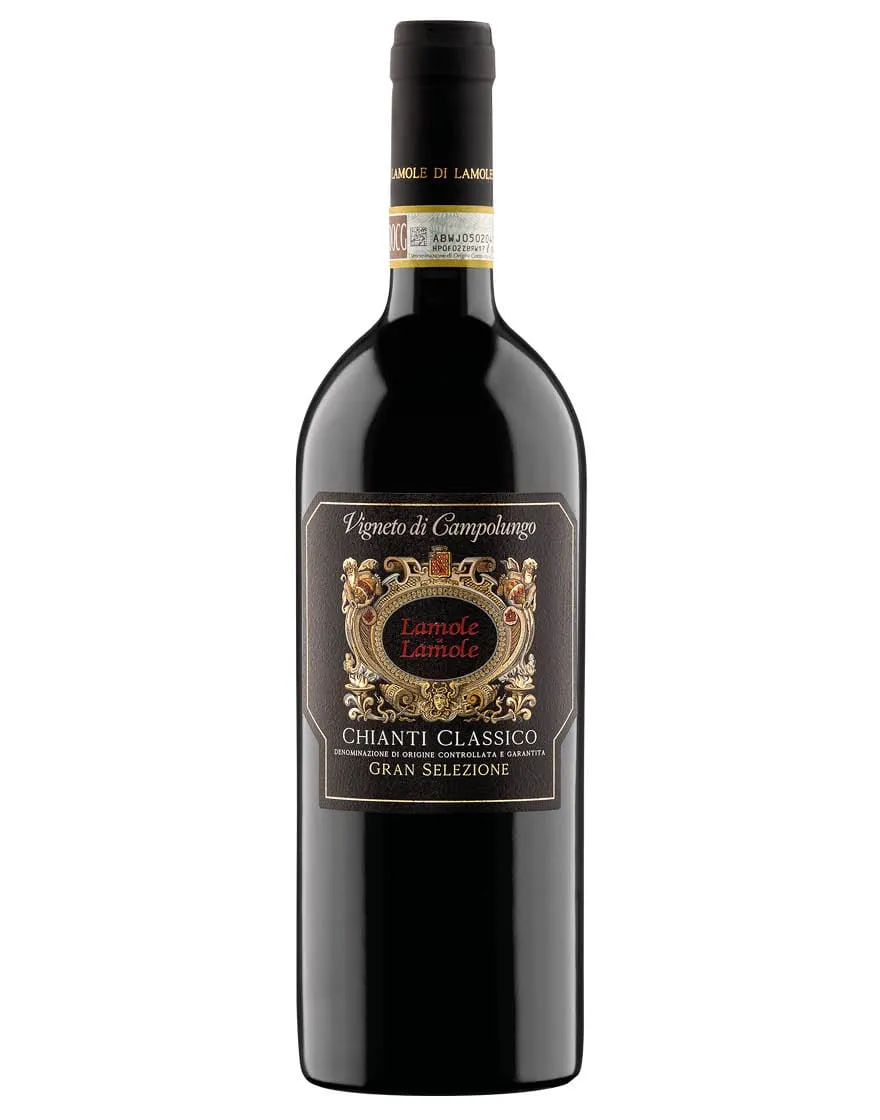
Chianti Classico Gran Selezione Vigneto di Campolungo Lamole di Lamole is a Tuscan red produced exclusively from Sangiovese grapes, sourced from a historic vineyard of the winery. The wine is vinified in truncated conical vats with skin maceration for about two weeks and a lengthy maturation in wood, resulting in a structured style, supported by freshness, savoriness, and fine-grained tannins.
Where it comes from
This wine originates in Greve in Chianti, in the heart of the Chianti Classico, and comes from the namesake Vigneto di Campolungo, recognized as a historic vineyard of the winery. The single-vineyard origin allows the terroir and specific agronomic choices to shine through, expressing the character of Sangiovese and the benefits of a lengthy maturation.
How it is made
The Sangiovese is harvested between late September and mid-October, then destemmed and pressed before fermentation. The vinification takes place in truncated conical vats, with about two weeks of skin-contact maceration. After fermentation, most of the wine ages for at least thirty months in oak barrels, with a small portion resting in barriques, followed by at least nine months in bottle, harmonizing the tannic texture and freshness.
Tasting notes
It displays a deep ruby red in the glass. On the nose, violet and wild berry notes emerge, with balsamic nuances and spicy accents. The palate is powerful and structured, with very fine tannins; freshness and savoriness provide drive and lengthen the persistence, maintaining a clean finish with fruity and spicy echoes.
Food pairings
It naturally pairs with flavorful soups and pasta with game ragù, where body and tannin match the succulence of the sauce. It is also suitable for semi-aged and aged cheeses, thanks to the freshness and savoriness that balance richness and cleanse the palate.
When to serve
Recommended for lunches and dinners where a structured yet focused red is desired, supported by freshness and refined tannins. The lengthy wood aging and subsequent bottle rest make it balanced right from opening, though it benefits from service that encourages oxygenation. Its character also allows for positive evolution in the bottle over time.
4 products of Lamole di Lamole View all
4 products of Lamole di Lamole


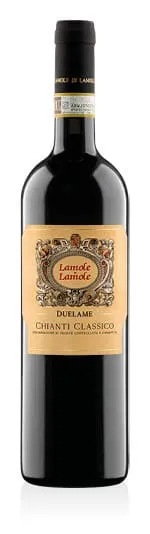
Chianti Classico DOCG Duelame 2024 Lamole di Lamole


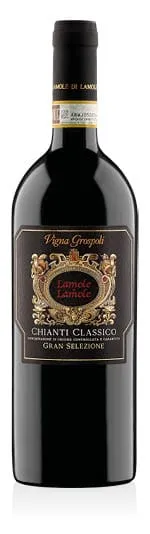
Chianti Classico DOCG Gran Selezione Vigna Grospoli 2020 Lamole di Lamole
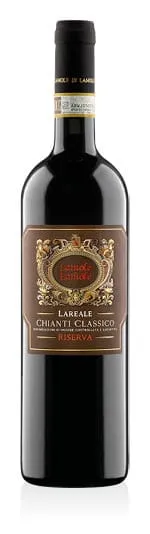
Chianti Classico DOCG Riserva Lareale 2021 Lamole di Lamole
You may also be interested in

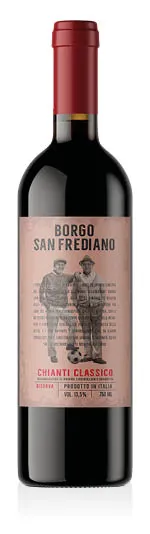
Chianti Classico DOCG Riserva 2019 Borgo San Frediano
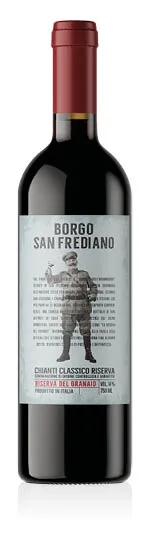
Chianti Classico DOCG Riserva del Granaio 2020 Borgo San Frediano
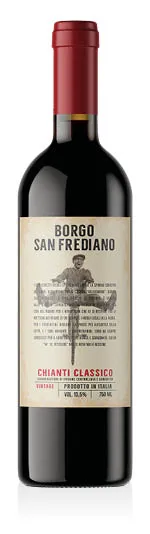
Chianti Classico DOCG Vintage 2024 Borgo San Frediano
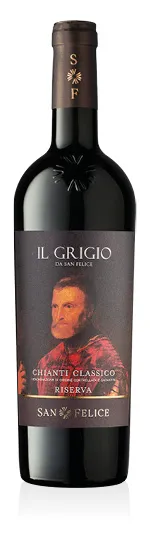
Chianti Classico Riserva DOCG Il Grigio 2022 San Felice
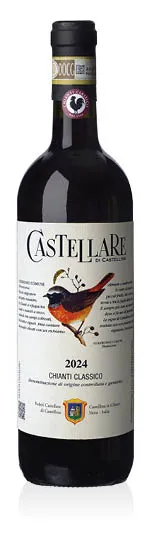
Chianti Classico DOCG 2024 Castellare di Castellina