 View all
 Champagne
 Sparkling Wines
 Red Wines
 White Wines
 Rosé Wines
 Alcohol-free
 Bag in box
 Fortified Wines
 Passito Wines
 Cocktails
 Gin
Gin
 Liqueur
 Whisky
 Rum
Rum
 Grappa
 Alcohol-free
 Brandy
 Eau de vie
 Tequila
 Vodka
Vodka
 Mixology
 Beers
Beers
 Olive Oil
 Vinegar
 Accessories


Product details

Description
What kind of wine is it
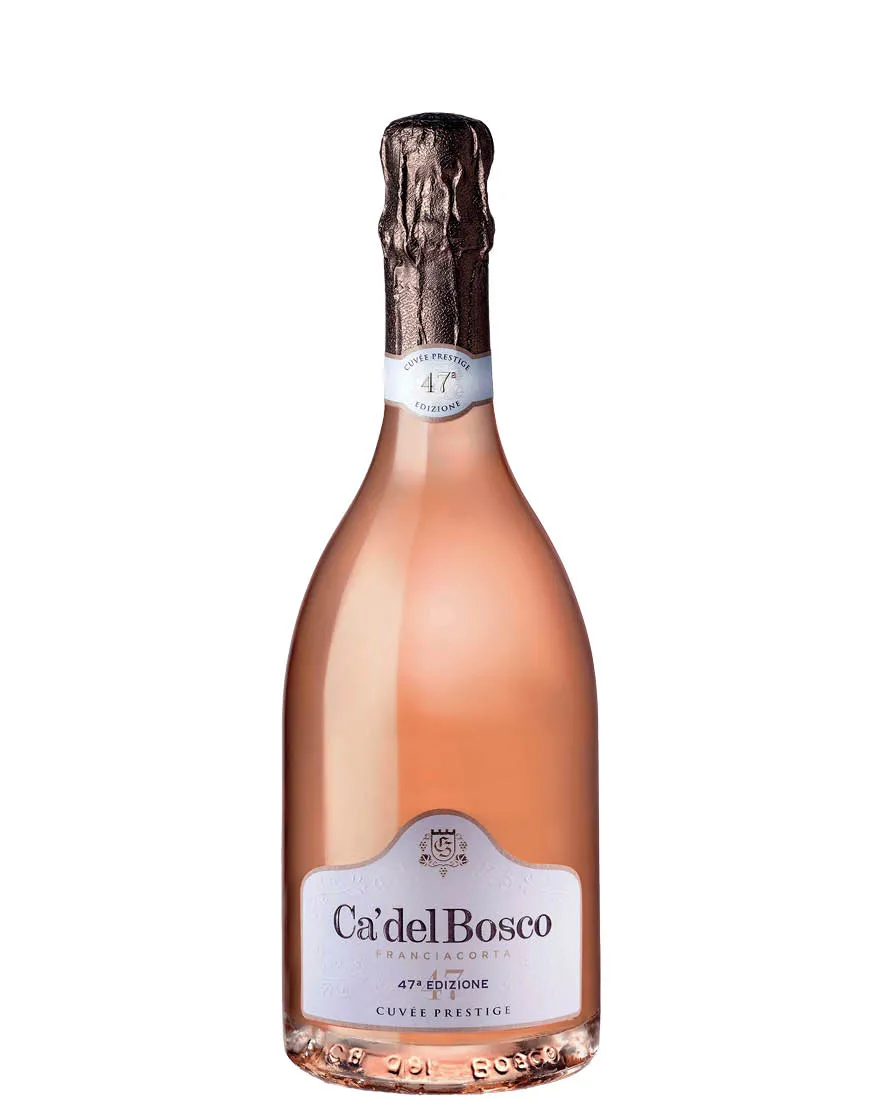
Ca' del Bosco’s Cuvée Prestige Rosé is a Franciacorta Rosé Extra Brut made from Pinot Noir and Chardonnay using the Traditional Method. It stands out for its delicate pink hue, achieved through a brief maceration of Pinot Noir skins. The very low dosage brings freshness and precision to the fore. It’s a sparkling wine with an elegant character, crafted for those seeking a dry, meticulously made rosé.
Where it comes from
The grapes come from Ca' del Bosco’s estate vineyards in Franciacorta, Lombardy. Pinot Noir grows in the communes of Erbusco, Adro, Iseo and Passirano, while Chardonnay comes from Erbusco, Cazzago San Martino and Passirano. These are mature vines, averaging around thirty years old, yielding base wines with good concentration. Vinifying each vineyard separately preserves the identity of each area until blending.
How it is made
The grapes are hand-harvested in small crates and selected bunch by bunch, then washed through a sequence of three soaking vats with a drying tunnel, the so‑called grape spa. Pinot Noir undergoes a rosé maceration of 24–36 hours—just long enough to obtain the typical color—and ferments at controlled temperature in stainless steel and in small wooden vessels. Chardonnay is pressed as whole clusters and ferments in steel using only the best fractions of the must. After blending, the wine rests on the lees for about 24 months in the underground cellar. Disgorgement takes place in the absence of oxygen, using a system patented by Ca' del Bosco that protects the wine from oxidation.
Tasting notes
In the glass it shows a pale pink reminiscent of sunset, animated by a fine, persistent bead. On the nose, floral notes of peony open up, accompanied by juicy red fruits such as pomegranate and strawberry. The palate is fresh and delicate, with lively acidity supported by the minimal dosage, and it finishes clean and dry.
Food pairings
It works beautifully as an aperitif, even with light nibbles and delicate charcuterie. At the table it pairs with seafood dishes such as crudo, tuna tartare, shellfish, and light fried foods. Its red-fruit notes and freshness also make it suitable for delicate risottos and white meats with subtle flavors.
When to serve it
It’s a fitting choice for a romantic evening or a candlelit dinner, as well as for toasts when you want a rosé with character. Serve it in a large glass that lets the floral and fruity profile shine. Thanks to the long aging on the lees, it’s ready to uncork and can be opened without any special waiting.
14 products of Ca' del Bosco View all
14 products of Ca' del Bosco


Franciacorta DOCG Extra Brut Cuvée Prestige Edizione 48 Ca' del Bosco
Sebino IGT Maurizio Zanella 2021 Ca' del Bosco
Franciacorta DOCG Extra Brut Cuvée Prestige Edizione 48 Ca' del Bosco
You may also be interested in
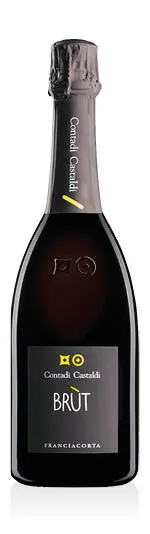
Franciacorta DOCG Brut Contadi Castaldi

Franciacorta DOCG Brut Ca' del Diavolo
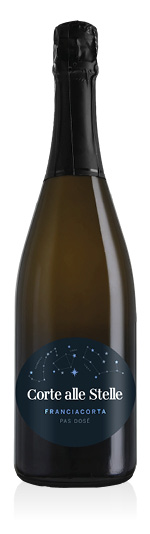
Franciacorta DOCG Pas Dosé Corte alle Stelle
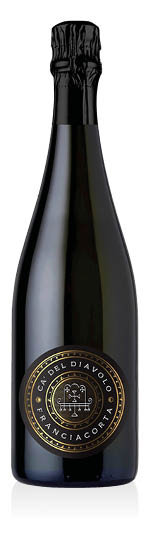
Franciacorta DOCG Brut Satèn Ca' del Diavolo

Franciacorta DOCG Rosé Brut Ca' del Diavolo