 View all
 Champagne
 Sparkling Wines
 Red Wines
 White Wines
 Rosé Wines
 Alcohol-free
 Bag in box
 Fortified Wines
 Passito Wines
 Cocktails
 Gin
Gin
 Liqueur
 Whisky
 Rum
Rum
 Grappa
 Alcohol-free
 Brandy
 Eau de vie
 Tequila
 Vodka
Vodka
 Mixology
 Beers
Beers
 Olive Oil
 Vinegar
 Accessories


Product details
Description
What type of wine is it
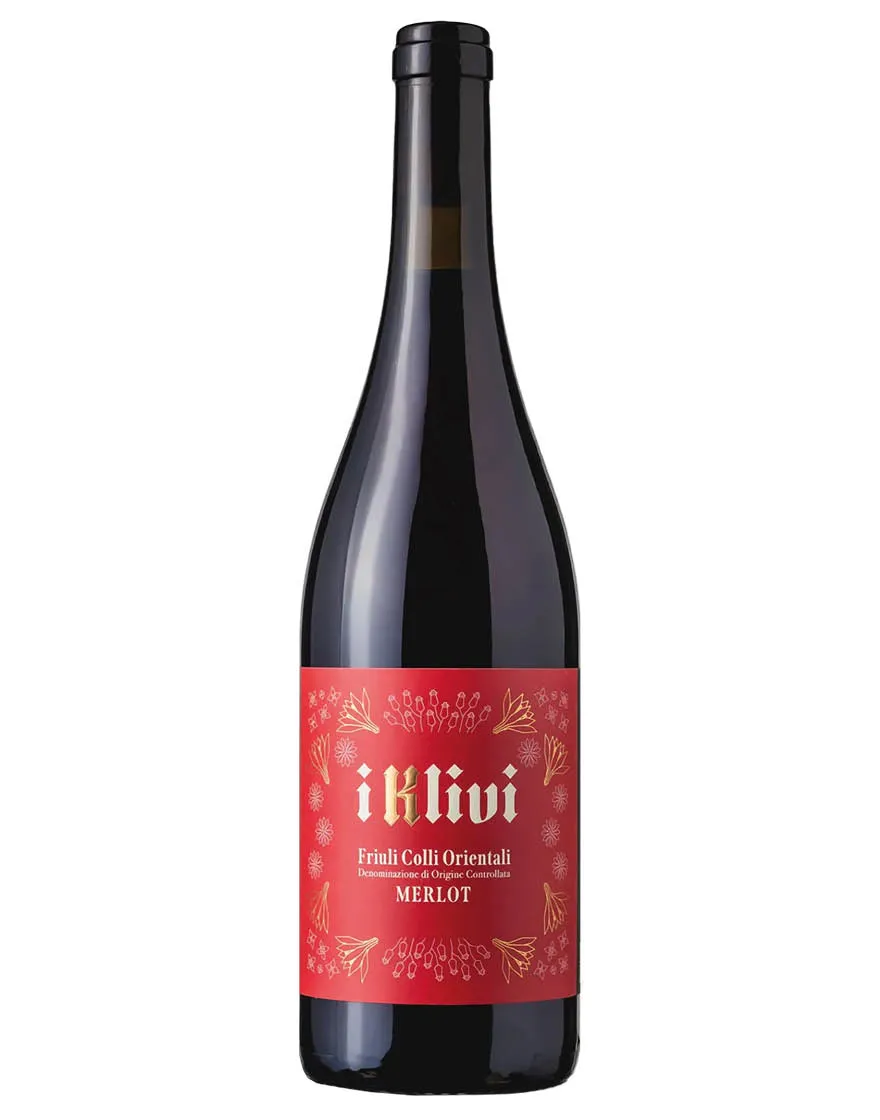
The Merlot by I Clivi is a red wine from the hills of Corno di Rosazzo, made from Merlot grapes sourced from old vineyards. It displays a solid structure and an elegant profile, with a pronounced minerality imparted by the ponca soils. Fermentation takes place in concrete tanks with the cap submerged and indigenous yeasts, and aging on fine lees creates a balance between freshness and silky tannins. It appeals to those seeking a wine that combines extractive power and aromatic finesse.
Where does it come from
This Merlot comes from the hills of Corno di Rosazzo, in the Colli Orientali del Friuli. The vineyards are south-east facing. The ponca soils, composed of marine-origin marls and sandstones, confer a mineral component and moderate the water supply. The area offers wines with freshness, structure, and the potential for evolution.
How it is produced
In the vineyard, special care is taken over the quality of the grapes. Fermentation occurs in concrete with a submerged cap, using indigenous yeasts and controlled extraction of tannins and polyphenols. Maceration on the skins is kept balanced to maintain equilibrium between structure and softness. Aging on fine lees in concrete contributes to the evolution of aromas and the refinement of the fruit, ensuring the wine’s cohesion and harmony.
Tasting notes
On the nose, aromas of ripe red fruits like cherry and plum appear, with hints of chalk and subtle balsamic notes. The palate is full and enveloping, with silky tannins supporting the structure. The finish is long and savory, with a balsamic hint that enhances freshness and invites another sip.
Food pairings
The Merlot by I Clivi pairs with roasts, grilled red meats or dishes based on mushrooms. It is also excellent with oven-roasted veal with aromatic herbs and pairs well with frico, a Friulian dish of cheese and potatoes.
When to serve it
This Merlot can be enjoyed immediately for its freshness and red fruits, or after a few years in bottle, when balsamic and mineral notes develop further. If you want a suggestion, it can be served between 16 and 18 °C to enhance its aromatic profile and tannic component, though this indication is not specified in the original data.
10 products of I Clivi View all
10 products of I Clivi

Venezia Giulia IGP Schioppettino 2024 I Clivi

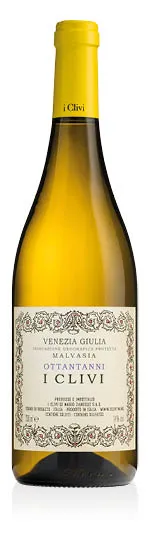
Venezia Giulia IGP Malvasia Vigna 80 anni 2025 I Clivi

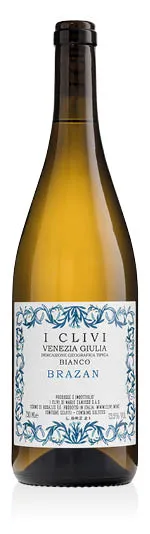
Collio DOP Bianco Brazan 2023 I Clivi
You may also be interested in
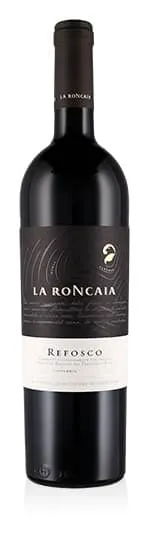
Friuli Colli Orientali DOC Refosco 2019 La Roncaia
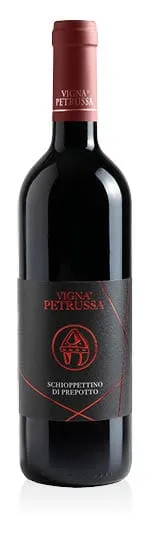
Friuli Colli Orientali DOC Schioppettino di Prepotto 2021 Vigna Petrussa
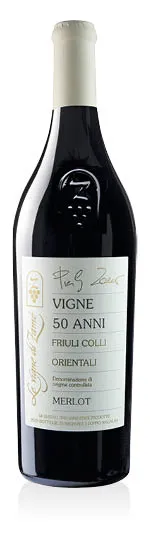
Friuli Colli Orientali DOC Merlot Vigne 50 Anni 2020 Le Vigne di Zamò
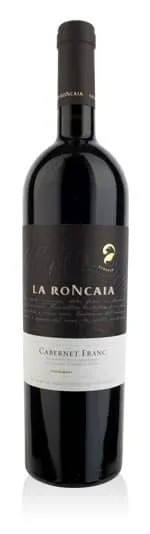
Friuli Colli Orientali DOC Cabernet Franc 2022 La Roncaia
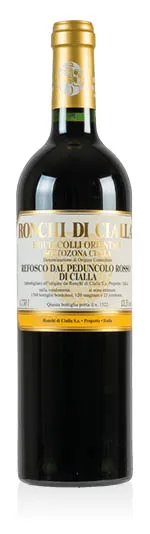
Friuli Colli Orientali DOC Refosco dal Peduncolo Rosso di Cialla 2016 Ronchi di Cialla