 View all
 Champagne
 Sparkling Wines
 Red Wines
 White Wines
 Rosé Wines
 Alcohol-free
 Bag in box
 Fortified Wines
 Passito Wines
 Cocktails
 Gin
Gin
 Liqueur
 Whisky
 Grappa
 Rum
Rum
 Alcohol-free
 Brandy
 Eau de vie
 Tequila
 Vodka
Vodka
 Blonde
 Red
Red
 Dark
Dark
 Amber
Amber
 Mixology
 Beers
Beers
 Olive Oil
 Vinegar
 Accessories
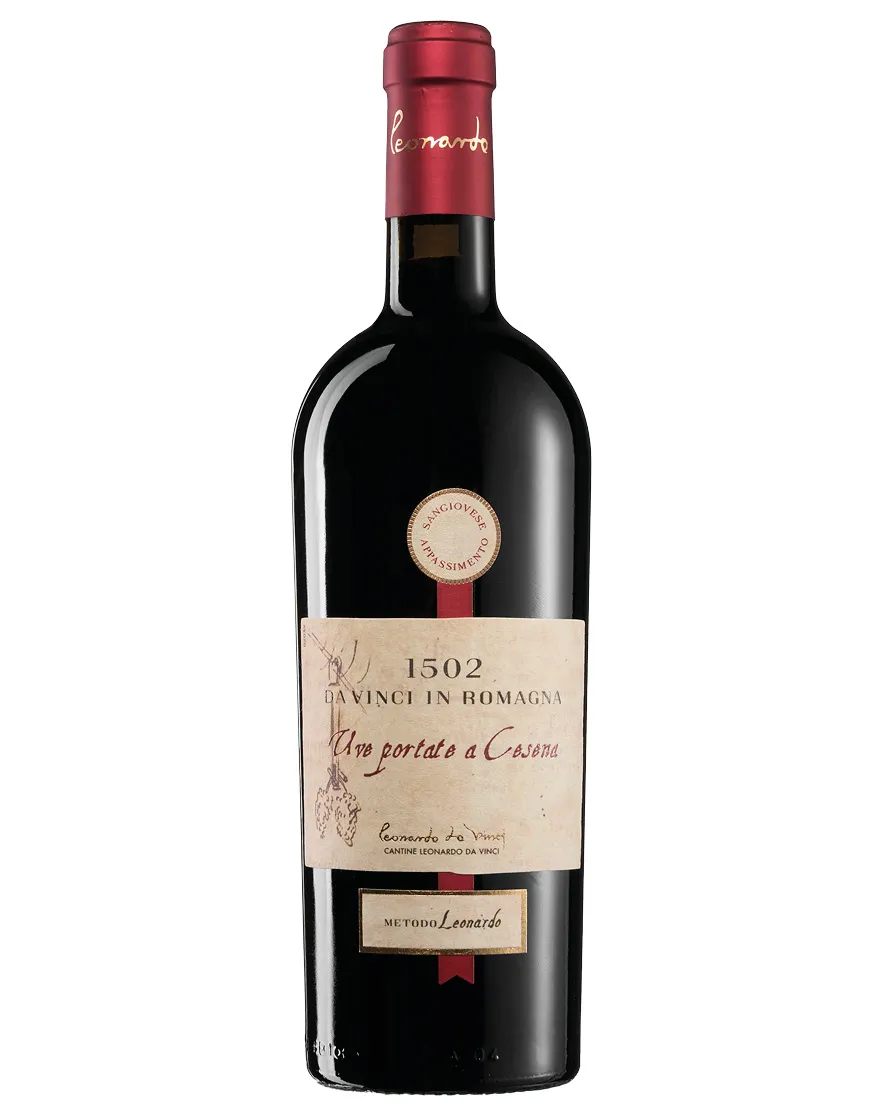


Product details

Description
What kind of wine is it
Sangiovese Appassimento Uve Portate a Cesena from the 1502 Da Vinci in Romagna line by Leonardo da Vinci is a structured red wine made from Sangiovese grapes from the hills of Castrocaro Terme, Predappio, and Bertinoro. It stands out for its enveloping and complex style, with a fresh and fruit-rich profile. The controlled drying process of the grapes increases sugar concentration, while fermentation at a controlled temperature and aging in French and American oak barriques for 10-12 months give it softness, balance, and an elegant texture.
Where does it come from
The grapes come from vineyards at 250-350 meters on the hills of Romagna, with clayey and marly-sandy soils. The south and southeast exposure promotes optimal ripening. These conditions ensure intense aromas and the maintenance of a fresh acidity, key elements for the quality of Sangiovese in this area.
How is it produced
The grapes are harvested at full ripeness and placed in drying rooms for controlled withering; temperature, humidity, and ventilation are carefully managed. After destemming and crushing, fermentation takes place at 26 °C with selected yeasts. Aging continues in French and American oak barriques for 10-12 months.
Tasting notes
In the glass it presents an intense ruby red color with violet reflections. The bouquet is broad, with ripe red fruit, followed by vanilla, sweet tobacco, and delicate spices. On the palate, notable concentration emerges, supported by lively acidity and soft tannins, with a rich entry and a persistent finish that recalls fruit and toasted wood.
Food pairings
This Sangiovese Appassimento pairs well with grilled red meats, roasts, braised dishes, and oven-baked pork shank. It also works well with aged cheeses such as Parmigiano Reggiano and traditional Romagna dishes, including passatelli in dry broth and cappelletto with meat ragù. Pairings with sautéed porcini mushrooms or stewed rabbit enhance its structure and persistence.
When to serve it
The structure and the balance between acidity and tannins allow for consumption after a few years in the bottle and indicate a good potential for evolution. Serving is recommended at 18-20 °C in large glasses, preferably after a short decanting of at least 30 minutes to highlight aromas and complexity.
16 products of Leonardo da Vinci View all
16 products of Leonardo da Vinci


Romagna DOC Sangiovese Appassimento Uve Portate a Cesena 2025 Leonardo da Vinci
Toscana IGT Vermentino Streda 2024 Leonardo da Vinci
Romagna Superiore DOC Sangiovese Monnalisa 2023 Leonardo da Vinci
You may also be interested in
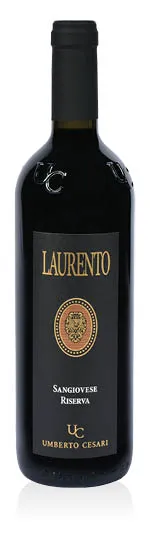
Sangiovese di Romagna Riserva DOC Laurento 2023 Umberto Cesari

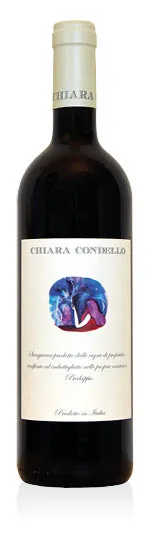
Romagna DOC Sangiovese di Predappio 2023 Chiara Condello
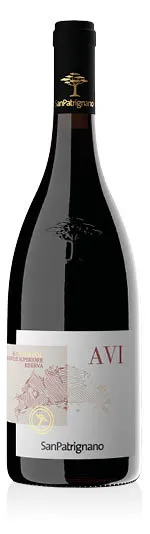
Romagna Superiore Riserva DOC Sangiovese Avi 2021 San Patrignano

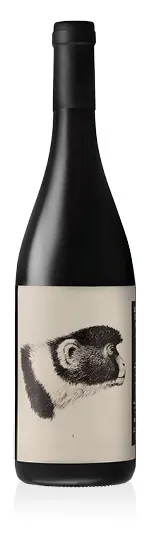
Romagna DOC Sangiovese Predappio Godenza 2023 Noelia Ricci
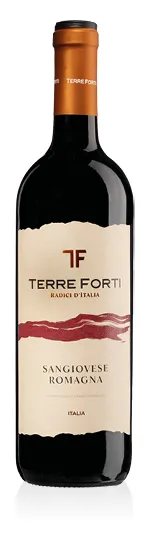
Romagna DOC Sangiovese Radici d'Italia Terre Forti