 View all
 Champagne
 Sparkling Wines
 Red Wines
 White Wines
 Rosé Wines
 Alcohol-free
 Bag in box
 Fortified Wines
 Passito Wines
 Cocktails
 Gin
Gin
 Liqueur
 Whisky
 Rum
Rum
 Grappa
 Alcohol-free
 Brandy
 Eau de vie
 Tequila
 Vodka
Vodka
 Mixology
 Beers
Beers
 Olive Oil
 Vinegar
 Accessories


Product details


Description
What kind of wine is it?
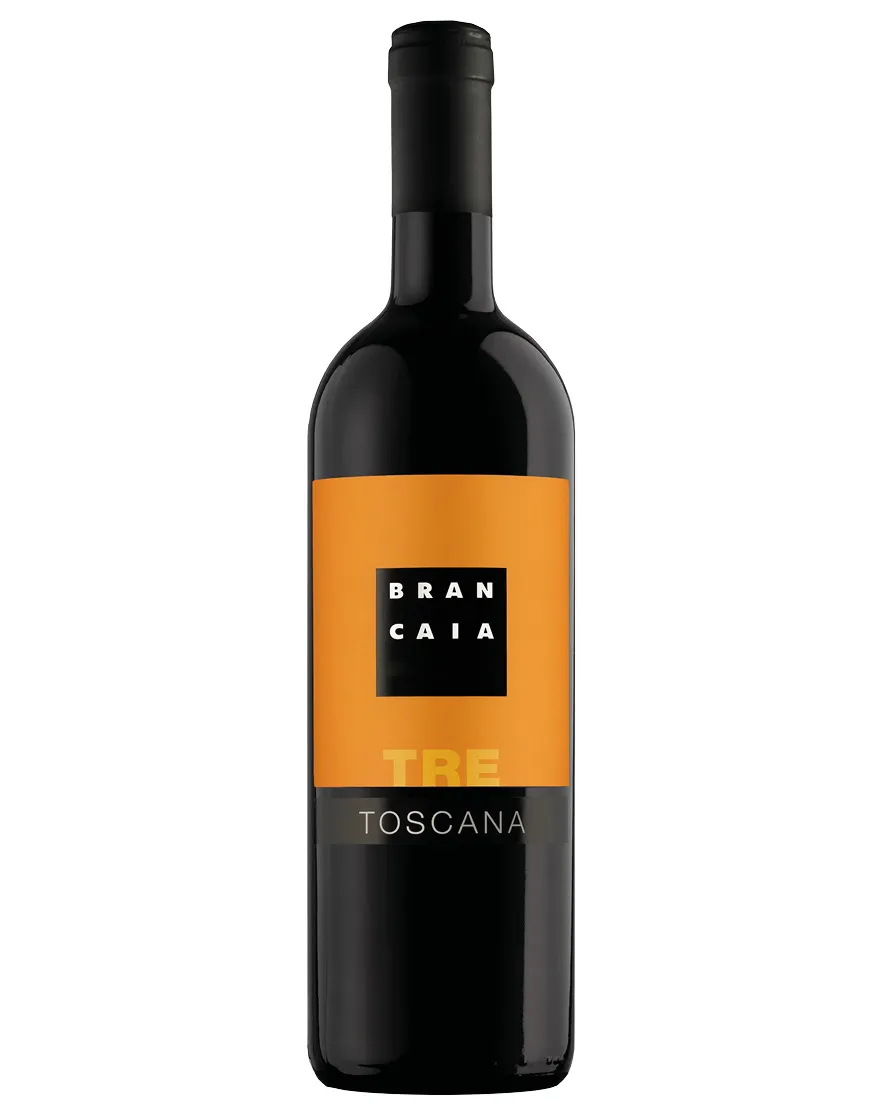
Tre is a Tuscan red wine produced by Brancaia, made from a blend of Sangiovese, Merlot, and Cabernet Sauvignon. It stands out for its balanced structure and a profile that combines fruitiness and softness. In the glass, it displays a rich style, with integrated tannins and a freshness that supports its drinkability. The vinification process uses techniques that preserve both fruit and structure. Aging takes place in French oak tonneaux and cement vats, shaping its character and aging potential.
Where does it come from?
Tre by Brancaia comes from vineyards in Maremma, Castellina, and Radda in Chianti, Tuscan areas each with their own identity. This territorial diversity brings complexity and recognizability to the wine, offering a balance between freshness and aromatic intensity.
How is it produced?
The grapes reach optimal ripeness and are vinified separately in temperature-controlled stainless steel tanks, to preserve their aromas and structure. The aging process lasts at least twelve months, partly in French oak tonneaux and partly in cement vats. An additional bottle aging period of at least two months further harmonizes its aromatic profile and structure.
Tasting notes
It appears brilliant ruby red with light garnet highlights. On the nose, notes of cherry, raspberry, and subtle spices emerge. The palate is juicy, with lively freshness, a well-structured body, and velvety tannins. The finish is persistent, with fruity and spicy echoes that emphasize its balance.
Food pairings
Tre by Brancaia pairs well with rustic first courses such as pappardelle with wild boar ragù and oven-baked lasagna, thanks to its structure and freshness. It goes with white meats and veal roasts, enhancing delicate dishes as well. It brings out the best in pici all'aglione and complements braised meats and semi-mature cheeses. Its versatility also allows for pairing with grilled fish, such as sea bream and swordfish, creating a unique contrast.
When to serve it
Tre by Brancaia is ideal when enjoyed young, to make the most of its freshness and fruity aromas. Its structure, however, enables it to evolve in the bottle for several years, developing spicy nuances and tertiary notes. It is best served between 16 and 18 °C, with a short decanting for older bottles. This wine offers a broad window of enjoyment, from youthful vitality to a more evolved character.
8 products of Brancaia View all
8 products of Brancaia


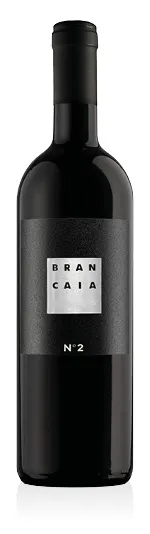
Maremma Toscana DOC N°2 2023 Brancaia

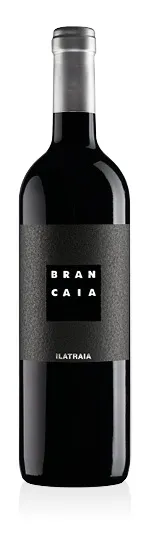
Toscana IGT Ilatraia 2021 Brancaia


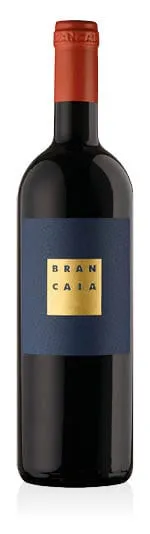
You may also be interested in

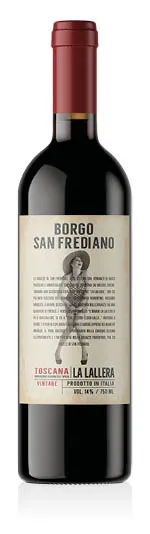
Toscana IGT La Lallera 2024 Borgo San Frediano
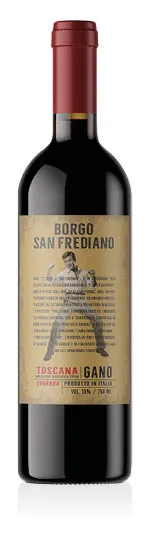
Toscana IGT Governo all'Uso Toscano Gano 2024 Borgo San Frediano
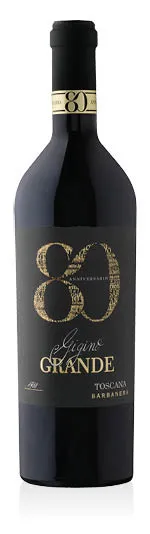
Toscana IGT Gigino Grande 2022 Barbanera
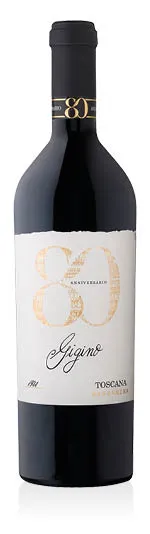
Toscana IGT Gigino Ottantesimo Anniversario 2022 Barbanera
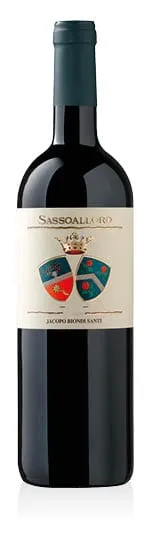
Toscana IGT Sassoalloro 2024 Jacopo Biondi Santi