 View all
 Champagne
 Sparkling Wines
 Red Wines
 White Wines
 Rosé Wines
 Alcohol-free
 Bag in box
 Fortified Wines
 Passito Wines
 Cocktails
 Gin
Gin
 Liqueur
 Whisky
 Rum
Rum
 Grappa
 Alcohol-free
 Brandy
 Eau de vie
 Tequila
 Vodka
Vodka
 Blonde
 Red
Red
 Dark
Dark
 Amber
Amber
 Mixology
 Beers
Beers
 Olive Oil
 Vinegar
 Accessories


Product details
Description
What kind of wine is it
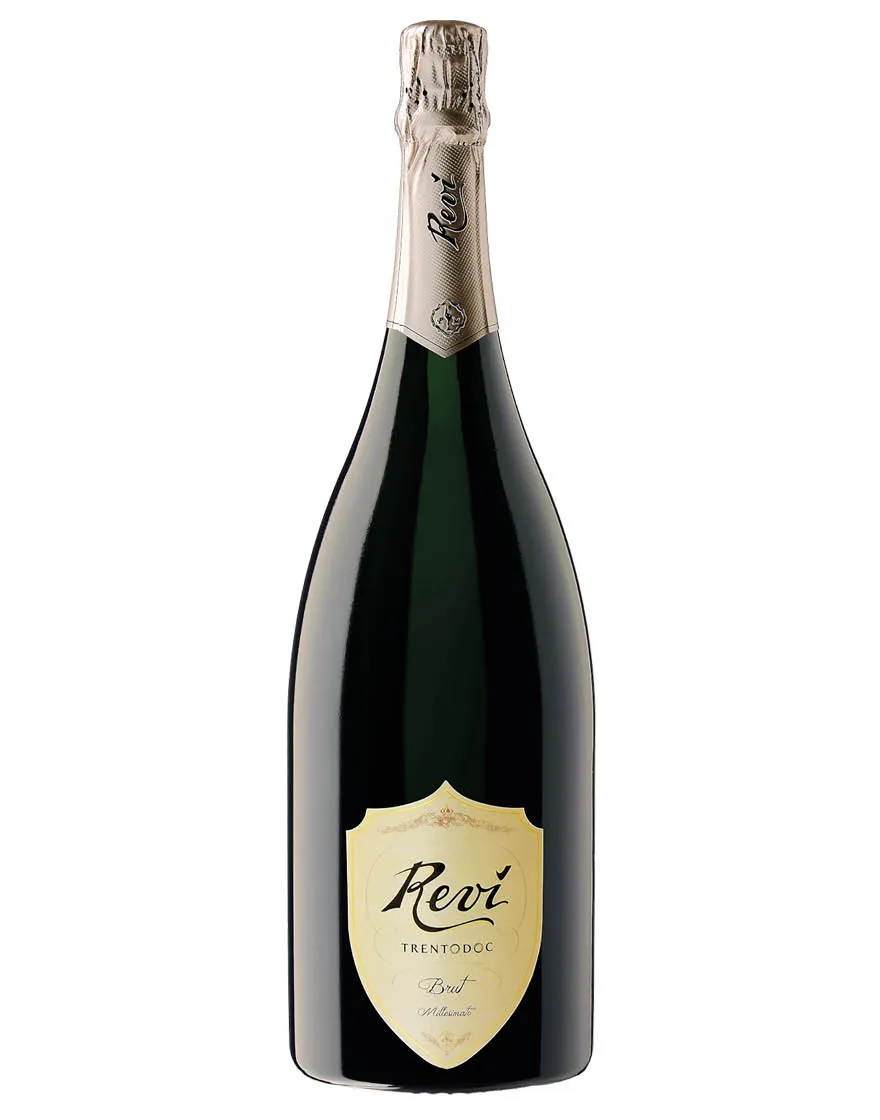
Trento Brut Revì is a Traditional Method sparkling wine produced in Trentino. It is made from Chardonnay and Pinot Noir, with secondary fermentation in the bottle for three years on the lees. The result is a Brut with a fresh and linear profile, notable sapidity, minerality, and a complexity reminiscent of bread crust and nuts, suitable both as an aperitif and at the table.
Where does it come from
It comes from Trentino, an alpine area in Northern Italy linked to the Trento designation. The mountainous context, characterized by temperature swings and ventilation, enhances clean aromas and balanced acidity. In this area, the Traditional Method is renowned for fine-textured bubbles, freshness, and verve; this Brut embodies this character with a dry profile and pronounced minerality.
How is it produced
The Chardonnay and Pinot Noir grapes are vinified to produce the base wine, then it undergoes secondary fermentation in the bottle following the Traditional Method. The wine rests on the lees for three years, which helps define its aromatic profile and adds complexity to the palate. After maturation, final operations are completed to present a Brut with a clean and consistent profile.
Tasting notes
In the glass it shows an intense straw yellow color. On the nose, hints of linden blossom, nuts, and almond emerge, with a distinct note of bread crust due to the aging on the lees. On the palate it is crisp and savory, with clearly perceptible minerality balancing the exotic fruit notes, retaining freshness, drive, and a dry finish.
Food pairings
It is recommended both as an aperitif and with meals. At the table, it naturally pairs with shellfish, fish dishes, and lake fish, while with first courses its freshness helps cleanse the palate. Classic Italian cuisine pairings include shrimp risotto and spaghetti with clams.
When to serve it
Serve when you desire a fresh, precise Traditional Method sparkling wine, ideal to start a meal or to accompany seafood and lake fish dishes. Three years on the lees also make it suitable when you seek greater aromatic definition and a more layered palate, maintaining continuity between bouquet and taste, with a sapid touch and a dry finish.
7 products of Revì View all
7 products of Revì


Trento Riserva Extra Brut Rosé DOC Cavaliere Nero 2019 Revì
Trento DOC Brut 2022 Revì

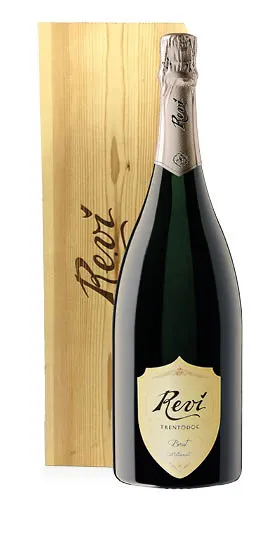
Trento DOC Brut Revì
You may also be interested in

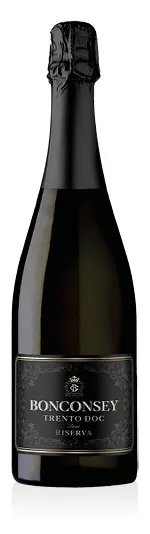
Trento DOC Brut Riserva 36 Mesi 2021 Bonconsey

Trento Brut Millesimato DOC 2022 Altemasi

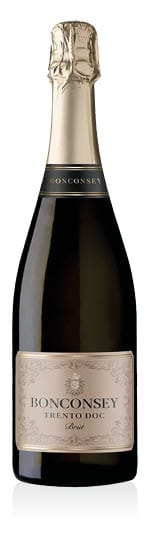
Trento DOC Brut Bonconsey
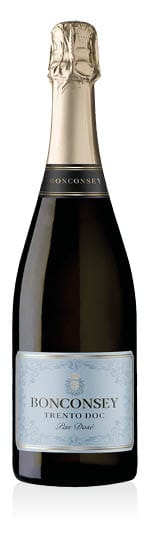
Trento DOC Pas Dosé Bonconsey
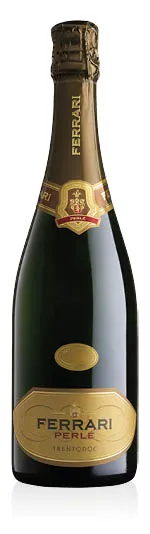
Trento DOC Brut Perlé 2019 Ferrari