 View all
 Champagne
 Sparkling Wines
 Red Wines
 White Wines
 Rosé Wines
 Alcohol-free
 Bag in box
 Fortified Wines
 Passito Wines
 Cocktails
 Gin
Gin
 Liqueur
 Whisky
 Grappa
 Rum
Rum
 Alcohol-free
 Brandy
 Eau de vie
 Tequila
 Vodka
Vodka
 Mixology
 Beers
Beers
 Olive Oil
 Vinegar
 Accessories


Product details
Description
What kind of wine is it
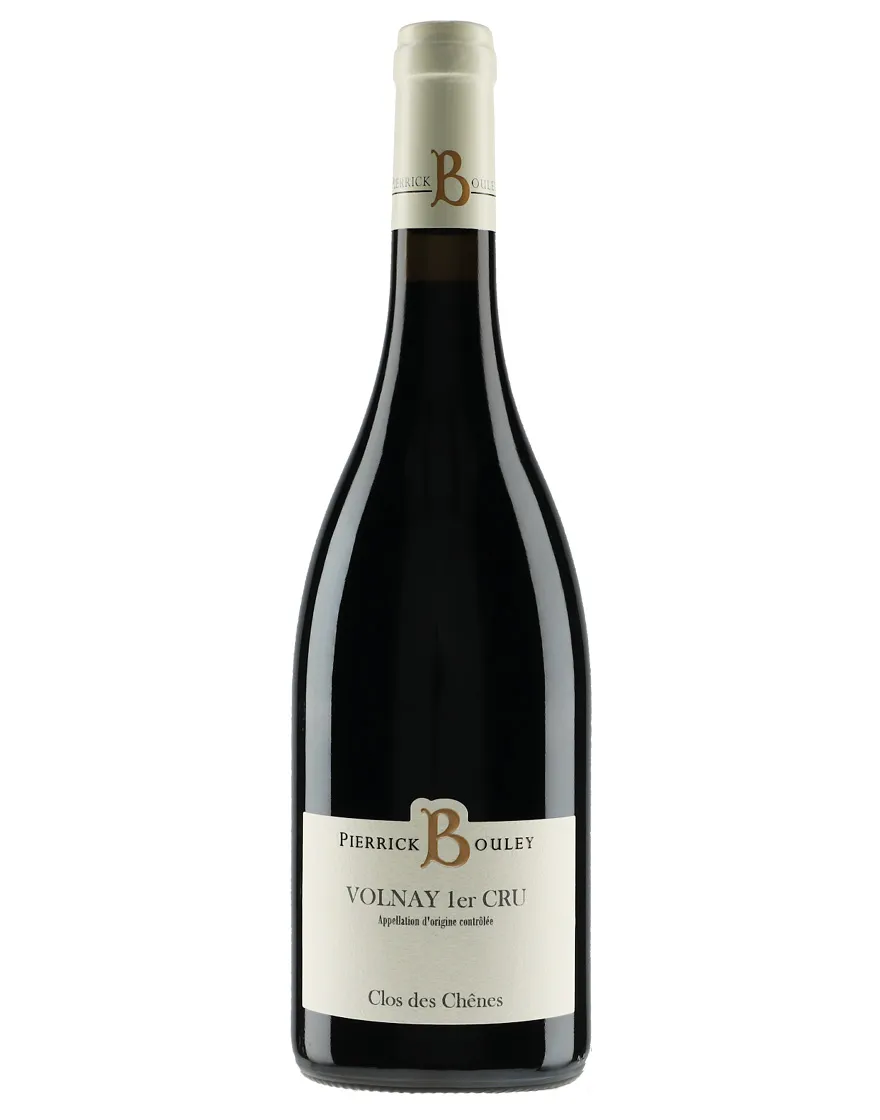
Volnay Clos des Chênes by Pierrick Bouley is a red Burgundy wine made exclusively from Pinot Noir. It presents an elegant profile and a defined structure, designed to accompany its evolution in the bottle. The vinification combines an initial stage in vats and a period in oak barrels with twelve months of aging, keeping the fruit at the center and allowing complexity to develop over time.
Where does it come from
The grapes come from Volnay, in the Premier Cru Clos des Chênes subzone. The vineyard is a 0.35-hectare plot with southeast exposure, favoring regular ripening. The soil is very stony and calcareous, with the bedrock close to the surface: a context that contributes to the wine’s structure and aromatic complexity, in keeping with the grape’s typical finesse.
How is it produced
Harvesting is done by hand in crates, followed by a careful selection of bunches on a vibrating sorting table. Since 2016, fermentation takes place without added sulfites to enhance the fresh fruit aromas. Alcoholic fermentation starts in vats and continues in oak barrels, where the wine matures for twelve months; racking and stabilization follow, with filtration either done or skipped as needed before bottling.
Tasting notes
On the nose, the bouquet is initially subtle on red and black fruits, then evolves towards undergrowth and leather notes, with animal undertones. On the palate, the structure is broad and well-supported; with age, the texture softens and spicy highlights emerge. The whole maintains balance and a persistence that tends to grow with bottle aging.
Food pairings
It naturally pairs with game, particularly pheasant with plums, hare and wild boar in sauce, where its structure and aromatic depth support intensity and succulence. Its evolution towards undergrowth tones and spicy notes accompanies slow-cooked dishes and rich sauces, where Pinot Noir finds harmonious synergy.
When to serve it
It is suitable when seeking a red with precision and depth, able to enhance an important table as well as moments that call for complexity. Its well-supported structure and tendency to soften over time make it a wine for aging, with the potential to develop further complexity for over twenty years if stored under optimal conditions. When young, it highlights its fruit, while with evolution, spices and tertiary notes become more evident.
6 products of Pierrick Bouley View all
6 products of Pierrick Bouley


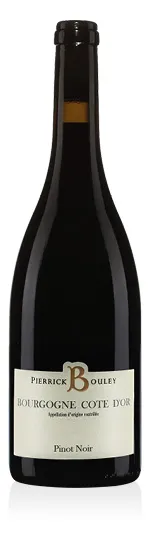
Bourgogne Côte d'Or AOC Pinot Noir 2022 Pierrick Bouley

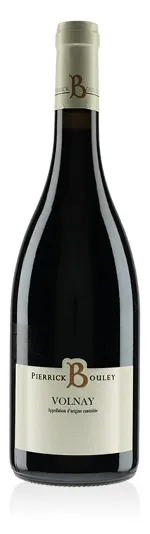
Volnay AOC 2022 Pierrick Bouley
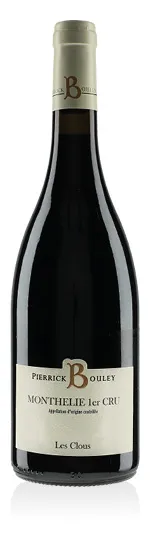
Monthélie AOC 1er Cru Les Clous 2022 Pierrick Bouley
You may also be interested in
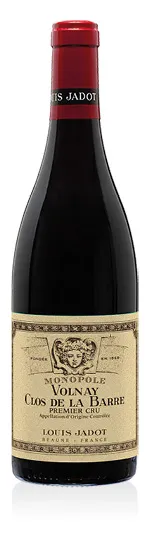
Volnay AOC Premier Cru Clos de la Barre Monopole 2018 Louis Jadot


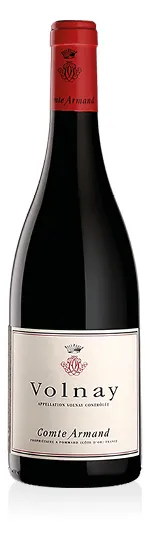
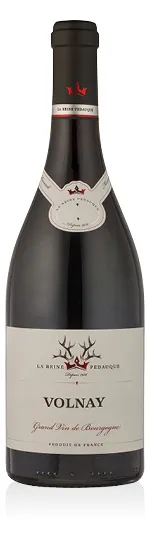
Volnay AOC 2022 Reine Pédauque
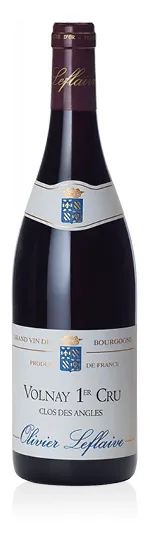
Volnay AOC 1er Cru Clos des Angles 2018 Olivier Leflaive
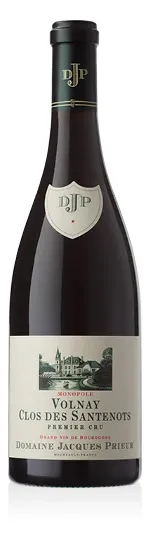
Volnay AOC Premier Cru Clos des Santenots Monopole 2020 Domaine Jacques Prieur