 View all
 Champagne
 Sparkling Wines
 Red Wines
 White Wines
 Rosé Wines
 Alcohol-free
 Bag in box
 Fortified Wines
 Passito Wines
 Cocktails
 Gin
 Grappa
 Liqueur
 Whisky
 Rum
 Alcohol-free
 Brandy
 Eau de vie
 Tequila
 Vodka
 Mixology
 Beers
 Olive Oil
 Vinegar
 Accessories
eau de vie
Frequently asked questions
What is the meaning of eau de vie?
Eau de vie is French for ‘water of life’, from the medieval Latin aqua vitae, and refers to a spirit distilled from fermented fruit, wine or grape pomace. In English the term is mostly used for clear, unaged fruit spirits. Under EU rules, a fruit spirit can only be made by fermenting and distilling the fruit itself, with no added flavourings.
How strong is eau de vie?
By law, an eau de vie made from fruit, wine or grape pomace must be bottled at no less than 37.5% ABV. Grappa, a pomace spirit, has exactly the same minimum. This is a legal floor rather than a set strength, so the actual figure varies from bottle to bottle and is always shown on the label.
What is the difference between brandy and eau de vie?
Under EU rules, brandy is made from wine spirit aged in oak for at least six months or a year, depending on the size of the cask. Eau de vie is a broader term that also covers fruit and pomace spirits, which are often unaged. Cognac is both at once: a brandy and an eau-de-vie de vin, as its geographical indication also covers the name ‘Eau-de-vie de Cognac’.
What is in eau de vie?
Nothing but fermented and distilled fruit, wine or grape pomace, brought down to bottling strength with water; no extra alcohol is added. A fruit eau de vie may not be flavoured, although it can be lightly sweetened to round off the taste. The most common fruits are Williams pears, cherries (kirsch), plums (slivovitz), apricots and raspberries.
What fruit is in brandy?
Unless another fruit is named, brandy is made from grapes, as it is distilled from wine. Spirits made from other fruits carry the name of the fruit instead, such as cherry spirit or kirsch, plum spirit or slivovitz, and Williams pear spirit. Calvados, made from apple and pear cider in Normandy, belongs to a separate category altogether.

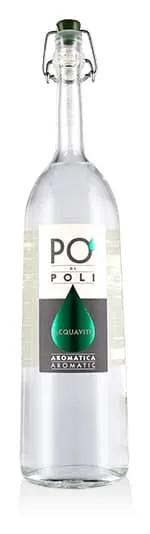
Acquavite Aromatica Traminer Po' di Poli

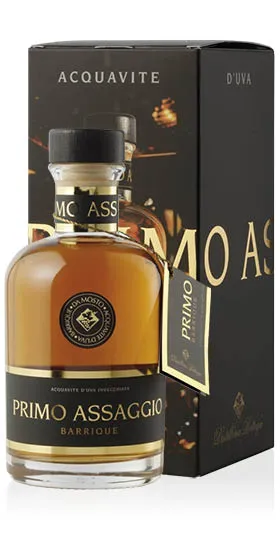
Acquavite d'Uva Invecchiata Primo Assaggio Barrique Bottega
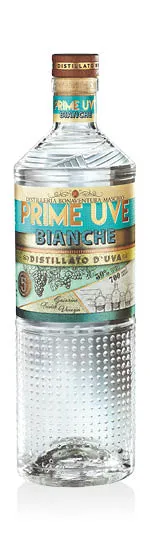
Distillato d'Uva Prime Uve Bianche Bonaventura Maschio
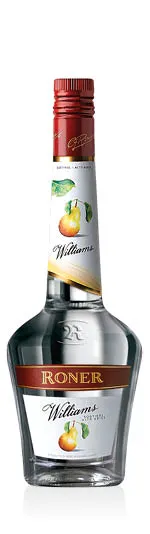
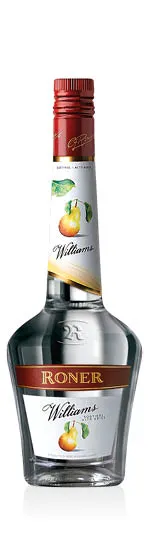
Williams Acquavite di Pere Roner

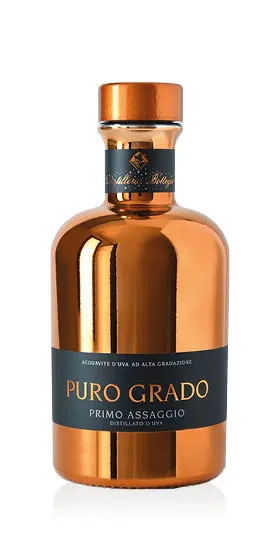
Acquavite d'Uva Primo Assaggio Puro Grado Bottega