 View all
 Champagne
 Sparkling Wines
 Red Wines
 White Wines
 Rosé Wines
 Alcohol-free
 Bag in box
 Fortified Wines
 Passito Wines
 Cocktails
 Gin
 Grappa
 Liqueur
 Rum
 Whisky
 Alcohol-free
 Brandy
 Eau de vie
 Tequila
 Vodka
 Mixology
 Beers
 Olive Oil
 Vinegar
 Accessories
grappa
Frequently asked questions
What does grappa taste like?
Grappa tastes of the grape and its pomace, the skins and seeds left over from winemaking, and turns woodier with age. Young grappa is crystal clear, and when made from aromatic varieties such as Moscato or Gewürztraminer it is more floral. Wood-aged grappa, labelled "invecchiata" after at least 12 months or "riserva" after at least 18, takes on an amber colour and notes of wood, vanilla, dried fruit and nuts.
How do you drink grappa?
Neat, ideally from a tulip-shaped glass rather than a narrow shot glass. Young grappa is best served cool and aged grappa a little warmer, but never straight from the freezer, which dulls its aromas. In Italy it is also traditionally splashed into an espresso to make a "caffè corretto".
What kind of alcohol is grappa?
Grappa is a pomace spirit, distilled from the fermented grape skins and seeds left over after winemaking. In English it is sometimes called "pomace brandy", but legally it is not a brandy, since brandy is made from wine. "Grappa" is also a protected geographical indication, so it can only be made in Italy, from the pomace of Italian grapes.
Is grappa stronger than vodka?
By law, grappa and vodka share the same minimum alcohol content: 37.5% ABV, with the exact figure for each bottle always shown on the label. Where they differ is in flavour, not in the rules on alcohol: vodka is distilled to tone down the character of its raw ingredients, while grappa holds on to the aromas of the grape.


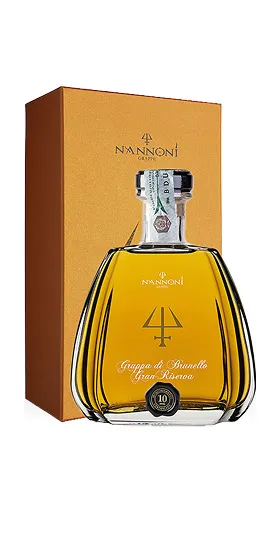
Grappa di Brunello Riserva 10 Anni Nannoni