 View all
 Champagne
 Sparkling Wines
 Red Wines
 White Wines
 Rosé Wines
 Alcohol-free
 Bag in box
 Fortified Wines
 Passito Wines
 Cocktails
 Gin
 Grappa
 Liqueur
 Rum
 Whisky
 Alcohol-free
 Brandy
 Eau de vie
 Tequila
 Vodka
 Mixology
 Beers
 Olive Oil
 Vinegar
 Accessories
What are the best Rums?
Among the most well-known names are Don Papa Rum and Diplomatico Rum, produced in the Philippines (Negros Island) and Venezuela, respectively.
Who produces the best rum? The origins are disputed among the French, Spanish, and British. Each of these countries had a colonial empire in modern times: from Martinique, still part of France today, where the French Dominican friar Jean Baptiste Labat is said to have produced the first sugarcane distillate in the mid-17th century, to British Barbados, where the first rum is believed to have been created in the early 18th century at the Mount Gay distillery. Meanwhile, the Spanish claim that a Spanish friar was the first to distil rum in Cuba.
What all these theories share is a common origin: the islands located between North and South America—Jamaica, Cuba, Saint Barthélemy, Guadeloupe, Les Saintes, and Martinique, among others—where rum has been produced since the late 17th century.
The history of rum spans the modern era, intersecting with the history of slavery, Prohibition, the phylloxera crisis in Europe, and the world wars. In the mid-19th century, when phylloxera devastated most of Europe's vineyards, rum became one of the spirits, alongside gin, that compensated for the shortage of wine.
Today, as seen in the success of Don Papa Rum, the Philippines has also become a renowned country for rum distillation.
What is in rum?
Rum is the product of sugarcane distillation and can be aged to varying degrees. Young rum or white rum has a clear or transparent colour, while aged rums such as Don Papa or Diplomatico have shades ranging from yellow to brown. Some rums also have caramel added to give them a darker hue.
There are two main types of rum: industrial rum and agricultural rum, distinguished by their production method. Industrial rum is distilled from molasses, while agricultural rum is made from pure sugarcane juice.
How is rum made?
The primary ingredient in rum production is sugarcane, a plant native to Indonesia that spread widely throughout the Caribbean with colonisation.
After approximately 12 months, the sugarcane is harvested between November and May, during the driest season. The sugarcane juice is then concentrated to reach a specific sugar level or transformed into molasses.
The molasses is diluted with water to initiate the fermentation process, during which the sugars convert into alcohol. Fermentation can occur spontaneously or be induced, depending on the production philosophy.
Controlled fermentation is achieved using macerated exotic fruits or yeasts, such as pineapple yeast in Guatemalan rum production. In Jamaica, the preferred method is dunder, a mix of previous distillation residues, sugarcane juice, and fruit.
This fermented liquid, with a final alcohol content of between 7% and 13% ABV, is then distilled using various methods and stills. Heavy rums are obtained through batch distillation, while light rums are produced using continuous column distillation.
After filtration—using either cartridge filters or activated charcoal—rum undergoes the ageing process. It is typically rested for at least a few weeks in inert containers to allow esterification and the formation of primary aromas (such as grassy, floral, or fruity notes).
The finest rums are aged for many years in wooden barrels. Some are aged for at least seven years, while others mature for up to 12 years or more. The choice of wood is crucial for developing rum’s secondary aromas (vanilla, dark chocolate, dried fruit, etc.). Oak barrels or toasted white oak casks are commonly used, as well as barrels previously used by American whiskey distilleries. For Spanish-style rums, casks that have previously held dry sherry or sweet wines like Pedro Ximénez are often used.
Why buy rum online?
By purchasing our rums online, you can conveniently choose from a wide range of rums. Whether for yourself or as a gift, our online wine shop allows you to select rum based on its origin, flavour, and ideal pairings.
Frequently asked questions
What type of alcohol is rum?
Rum is a spirit, not a liqueur. Under EU law it can only be made from sugar cane, whether molasses, cane syrup or fresh cane juice, distilled to below 96% vol and with a minimum strength of 37.5% vol. Nothing may be added for flavour, so spiced rum is legally a different spirit drink, and caramel is allowed only to adjust the colour. 'Agricole' is reserved for rum made purely from cane juice in the French overseas departments and Madeira.
Is rum 70% alcohol?
No, there is no single strength for rum. EU law sets only a minimum of 37.5% vol, and the actual strength of each bottle is stated on the label. Some rums follow stricter rules of their own: rum from Martinique sold under its AOC must be at least 40% vol. So the figure to go by is always the one printed on the bottle.
What kind of rum is dark?
Dark rum is not a legal category: the term simply describes a rum that is dark in colour. That colour comes from time spent in the cask and may be adjusted with caramel, the only colouring rum is allowed. Many dark rums are made from molasses and belong to the British tradition, like those from Jamaica; white rum, by contrast, is either young or filtered.
What rum is aged rum?
Aged rum is rum that has spent time in wooden casks; in the EU, any age on the label refers to the youngest rum in the bottle. It isn't automatically better: aged rum is usually sipped neat, while young white rum mostly goes into cocktails. Colour is no guide to age, since caramel is permitted. In Martinique, AOC rhum vieux needs at least three years in oak casks of under 650 litres, or six if it shows a vintage.


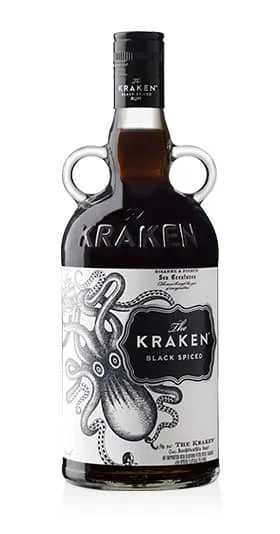
The Black Spiced Kraken

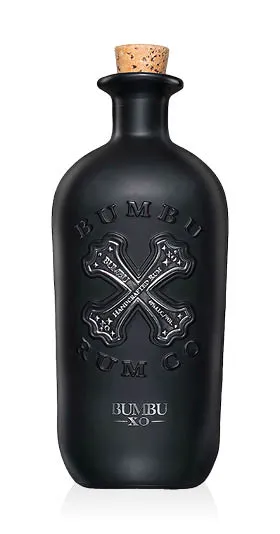

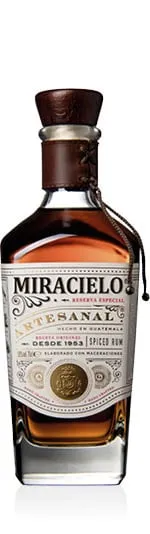
Reserva Especial Artesanal Spiced Rum Miracielo
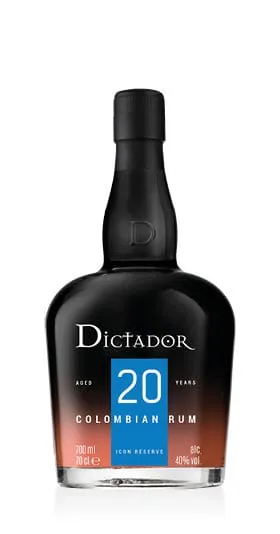
Colombian Rum Distillery Icon Reserve Aged 20 Years Dictador

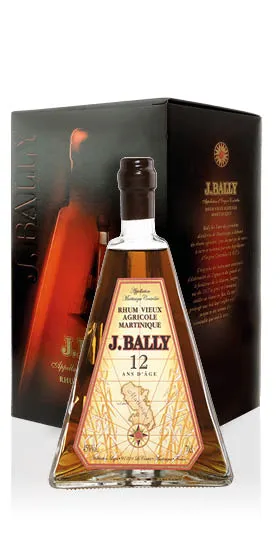
Martinique AOC 12 Year Old Rhum Vieux Agricole J. Bally
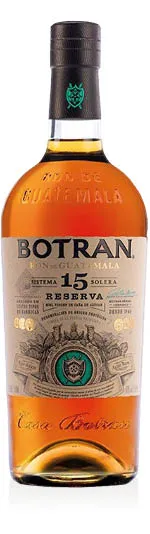
Ron de Guatemala DOP Añejo 15 Años Reserva Botran
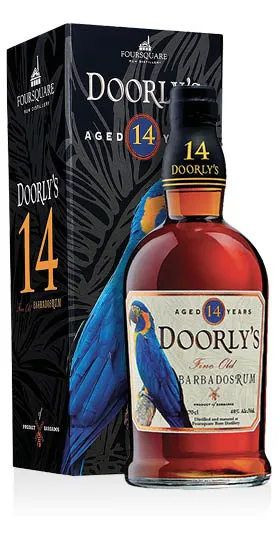
Barbados Rum Aged 14 Years Doorly's Foursquare