
 View all
 Champagne
 Sparkling Wines
 Red Wines
 White Wines
 Rosé Wines
 Alcohol-free
 Bag in box
 Fortified Wines
 Passito Wines
 Cocktails
 Gin
 Liqueur
 Whisky
 Rum
 Grappa
 Alcohol-free
 Brandy
 Eau de vie
 Tequila
 Vodka
 Mixology
 Beers
 Olive Oil
 Vinegar
 Accessories
Alta Langa
Alta Langa DOCG is a Piedmont appellation dedicated to traditional-method sparkling wines made from Pinot Noir and Chardonnay grapes grown on the hills between the provinces of Cuneo, Asti and Alessandria. Defined by elegance, freshness and fine, delicate bubbles, these sparkling wines age on the lees for an extended period, developing aromas of citrus, dried fruit and bread crust. Alta Langa is prized for its quality and its bond with a hilly landscape naturally suited to sparkling-wine production.
What does Alta Langa refer to?
Alta Langa refers both to a hilly area of Piedmont and to a DOCG appellation reserved for traditional-method sparkling wines. The wines are produced from Pinot Noir and Chardonnay and can be white or rosé, in brut and pas dosé versions as provided by the production regulations. Extended lees aging contributes to aromatic complexity and structure.
Which towns are in the Alta Langa?
Alta Langa includes numerous hill towns in southern Piedmont, among them some areas of the Langhe and Monferrato. Among the towns in the area are Alba, Cortemilia, Bossolasco and Monesiglio, though not all municipalities necessarily fall within the DOCG production area. To verify a vineyard’s eligibility, refer to the official production regulations.
What is the difference between Franciacorta and Alta Langa?
Franciacorta DOCG and Alta Langa DOCG are both appellations for sparkling wines made by the traditional method, but they belong to different territories. Franciacorta originates in Lombardy, in the province of Brescia, while Alta Langa is Piedmontese. Both use mainly Chardonnay and Pinot Noir, but they differ in climatic conditions, soils, production rules and sensory characteristics.
Where is Alta Langa located?
Alta Langa is located in southern Piedmont, among the hills of the provinces of Cuneo, Asti and Alessandria. The area is characterized by relatively higher elevations compared to the lower Langhe and by a climate suited to growing grapes for traditional-method sparkling wines. The DOCG designation identifies specific production areas established by the regulations.


Alta Langa DOCG Pas Dosé Gransabaudo 2022 Sabaudo


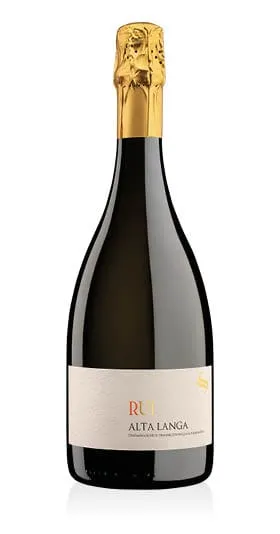
Alta Langa DOCG Brut Ruj 2023 San Silvestro
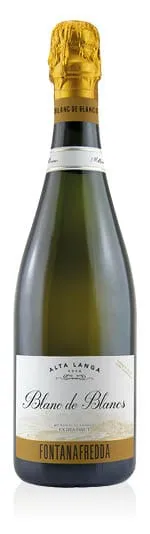
Alta Langa DOCG Extra Brut Blanc de Blancs 2022 Fontanafredda
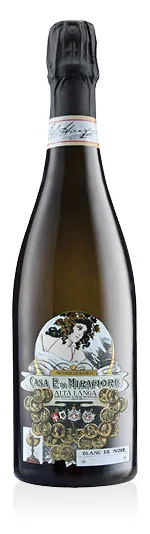
Alta Langa DOCG Blanc de Noir Brut 2022 Casa E. di Mirafiore

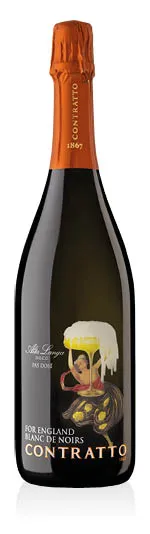
Alta Langa DOCG Pas Dosé Blanc de Noirs For England 2022 Contratto
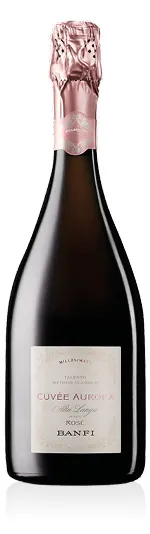
Alta Langa DOCG Extra Brut Cuvée Aurora Rosé 2022 Banfi

Alta Langa DOCG Metodo Classico Extra Brut Millesimato 2022 Cascina Chicco

Alta Langa Extra Brut DOCG Cuvée Aurora 2021 Banfi
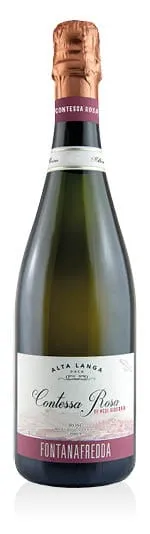
Alta Langa DOCG Brut Rosé Riserva Contessa Rosa 2020 Fontanafredda

Alta Langa DOCG Brut Cinquecento 2022 Vite Colte


Alta Langa DOCG Brut Bianc 'd Bianc 2019 Cocchi

Alta Langa DOCG Riserva Extra Brut 2020 Coppo
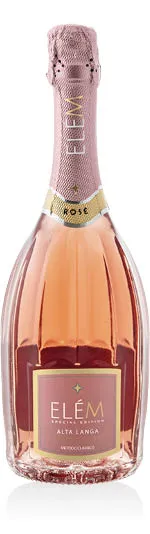
Alta Langa Brut DOCG Rosè Special Edition 2017 Elém

Alta Langa DOCG Blanc de Noir Brut 2021 Casa E. di Mirafiore

Alta Langa DOCG Brut Hundred Sixty Eight 2018 Fontanafredda


Alta Langa DOCG Extra Brut 2019 Cocchi
