 View all
 Champagne
 Sparkling Wines
 Red Wines
 White Wines
 Rosé Wines
 Alcohol-free
 Bag in box
 Fortified Wines
 Passito Wines
 Cocktails
 Gin
Gin
 Liqueur
 Whisky
 Rum
Rum
 Grappa
 Alcohol-free
 Brandy
 Eau de vie
 Tequila
 Vodka
Vodka
 Mixology
 Beers
Beers
 Olive Oil
 Vinegar
 Accessories


Product details
Description
What kind of wine is it
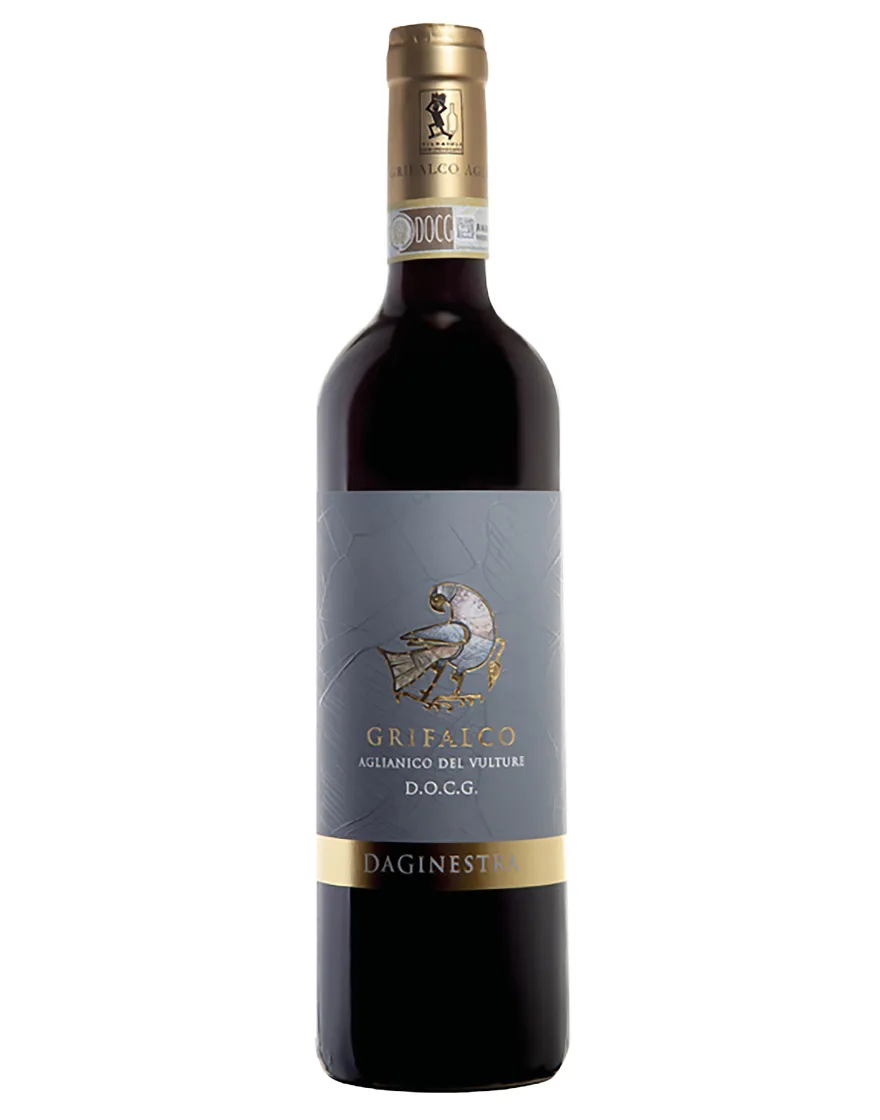
Daginestra di Grifalco is an Aglianico del Vulture Superiore made from Aglianico grown in the Vulture area of Basilicata. It is a full, structured red with a mineral profile and fine tannins, shaped by fermentation and ageing in Slavonian oak casks and by a prolonged maceration that brings intensity and balance.
Where it comes from
The grapes come from vineyards in the municipality of Ginestra, in the heart of the Vulture in Basilicata. Here Grifalco tends plots particularly suited to Aglianico, aiming for full ripeness and meticulous selection of the fruit, to deliver a wine with a solid framework and a long, precise palate progression.
How it is made
Harvesting is done by hand with selection in the vineyard, followed in the cellar by a second sorting via linear destemming, designed to remove green residues and retain only ripe berries. After gentle crushing and destemming, fermentation takes place in Slavonian oak casks at a controlled temperature up to 28 °C; maceration lasts for over 60 days and malolactic occurs naturally. Ageing continues for 12–18 months in Slavonian oak casks and is completed by at least 12 months in bottle.
Tasting notes
In the glass it shows a deep, bright ruby red. The bouquet is rich, with crisp red fruit, a ferrous streak, hints of cocoa and nuances of rosehip, mint and fern. On the palate it is mineral, broad and structured, with fine tannins and a well-present acidity that supports length and persistence, keeping the finish balanced.
Food pairings
It pairs naturally with flavorful, well-structured dishes, where tannin and acidity complement the protein component and slow cooking. It is recommended with game, braises and aged cheeses, enhancing intensity and complexity without losing definition on the palate.
When to serve it
This is a red suited to dinners and structured menus, when you want a glass with character yet restraint. It shows well served at 16–18 °C and, if desired, after a brief decant to relax the tannic profile and bring the aromas into focus. The long maceration and maturation in Slavonian oak contribute to its ability to evolve over time.
3 products of Grifalco View all
3 products of Grifalco


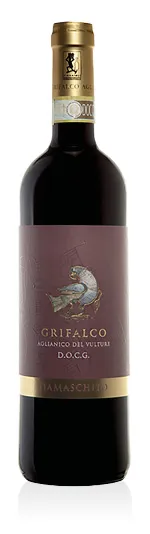
Aglianico del Vulture DOCG Superiore Damaschito 2021 Grifalco
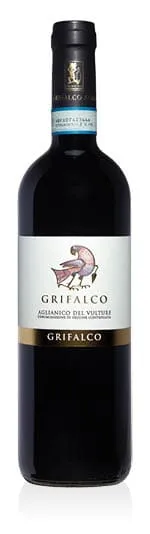
Aglianico del Vulture DOC 2022 Grifalco

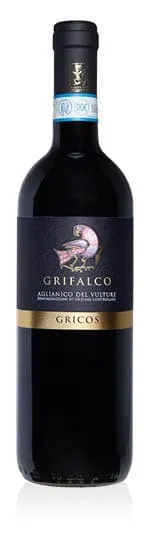
Aglianico del Vulture DOC Gricos 2023 Grifalco
You may also be interested in

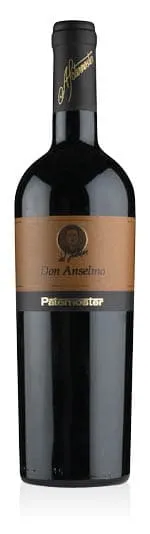
Aglianico del Vulture DOC Don Anselmo 2018 Paternoster

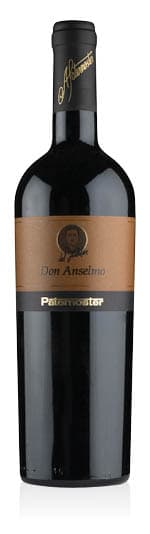
Aglianico del Vulture DOC Don Anselmo 2017 Paternoster
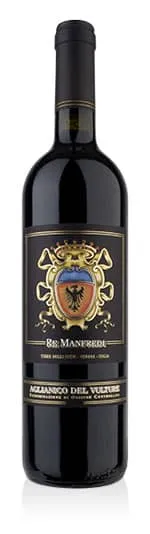
Aglianico del Vulture DOC 2022 Re Manfredi
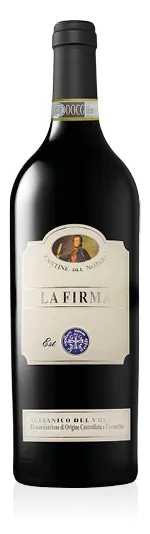
Aglianico del Vulture Superiore DOC La Firma 2019 Cantine del Notaio
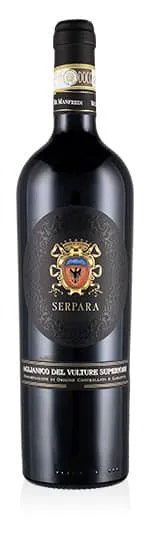
Aglianico del Vulture Superiore DOCG Serpara 2017 Re Manfredi