 View all
 Champagne
 Sparkling Wines
 Red Wines
 White Wines
 Rosé Wines
 Alcohol-free
 Bag in box
 Fortified Wines
 Passito Wines
 Cocktails
 Gin
Gin
 Liqueur
 Whisky
 Rum
Rum
 Grappa
 Alcohol-free
 Brandy
 Eau de vie
 Tequila
 Vodka
Vodka
 Mixology
 Beers
Beers
 Olive Oil
 Vinegar
 Accessories


Product details

Description
What type of wine is it
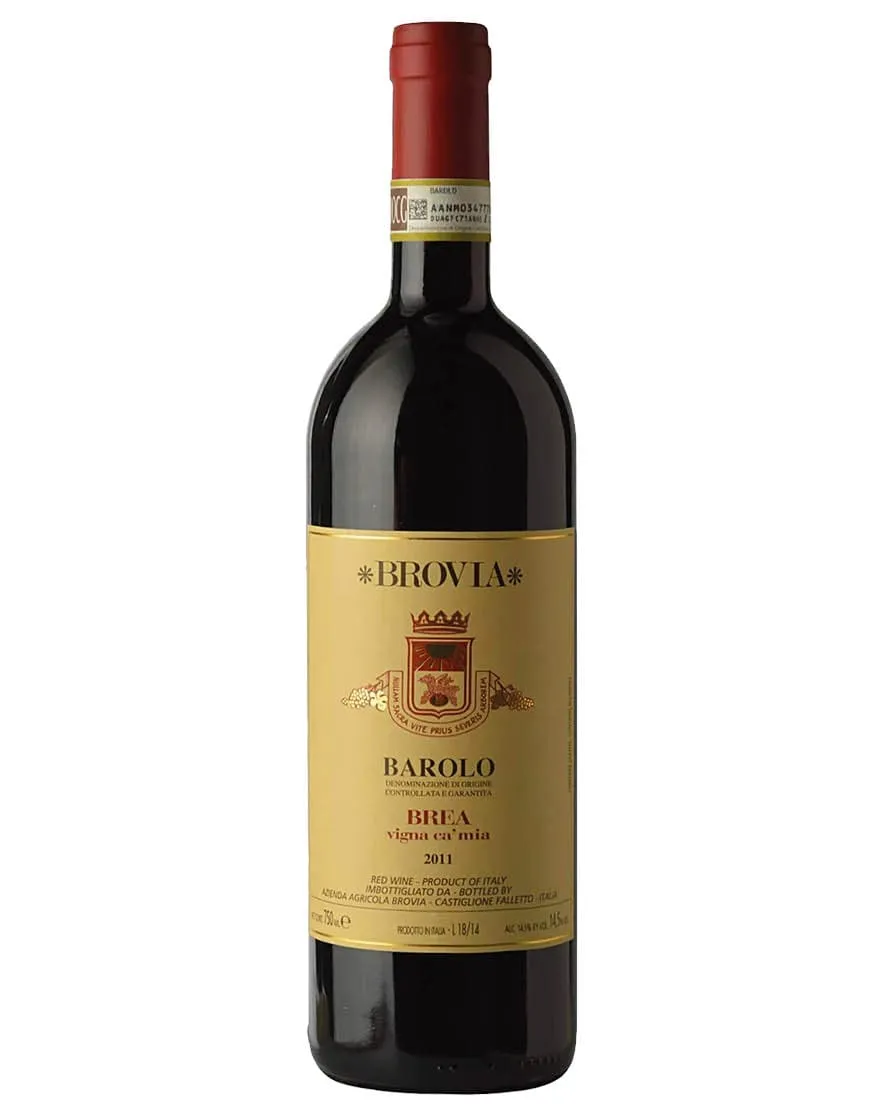
Barolo Brea Vigna Ca’ Mia by Brovia is a still red wine produced in the Langhe from Nebbiolo. Its style is structured and complex, with evident tannins and an intense texture, designed for slow evolution. The winemaking process involves fermentation in cement vats with prolonged maceration, followed by aging in large oak barrels according to a traditional approach.
Where does it come from
The Brovia family has been cultivating vineyards in the Langhe since the mid-19th century, with plots in several crus of Castiglione Falletto and Serralunga d’Alba. This Barolo comes from an old vineyard located above 300 meters of altitude, on soils of compact clay-limestone marl, elements that contribute to its assertive character and structural solidity.
How it is produced
The Nebbiolo grapes ferment in cement with a maceration of about three weeks, to extract substance and complexity gradually. The wine then ages for at least a couple of years in large oak barrels, following local traditions, thus favoring the integration of the tannic texture and ensuring longevity.
Tasting notes
In the glass it shows a garnet color. The bouquet is elegant and austere, with aromas of red fruits, humus, medicinal herbs, and blond tobacco. On the palate, it offers robustness, significant tannins, powerful structure, and a long, well-defined finish, consistent with the territorial character of Serralunga.
Food pairing
Because of its structure and tannins, it pairs well with slow-cooked and succulent dishes. The most natural choice is braised meats and beef stew cooked with red wine, where the wine's intensity and persistence accompany the richness of the dish without overpowering it. This pairing enhances the aromatic depth and the dry texture of the sip.
When to serve it
It is ideal when you’re looking for a red with depth and a defined profile, especially at the table with important dishes. It expresses itself best after adequate aeration, which helps open up the aromatic profile and soften the tannic texture. The structure and aging in large barrels suggest good cellaring potential.
4 products of Brovia View all
4 products of Brovia


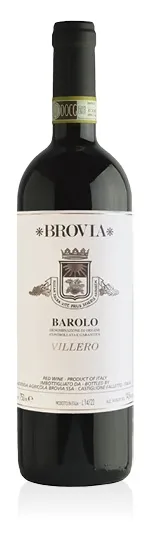
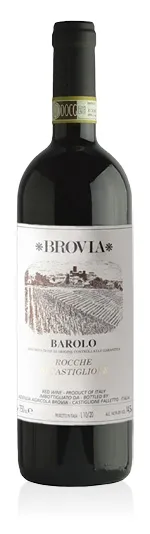
Barolo DOCG Rocche di Castiglione 2020 Brovia
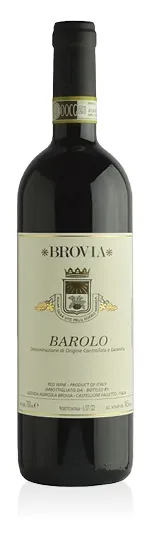
You may also be interested in

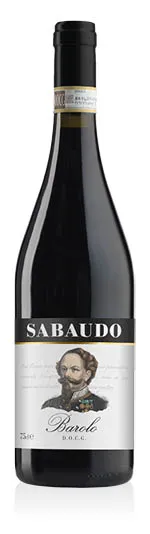
Barolo DOCG 2022 Sabaudo

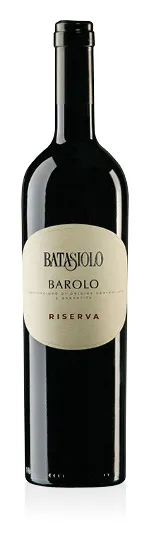
Barolo DOCG Riserva 2018 Beni di Batasiolo

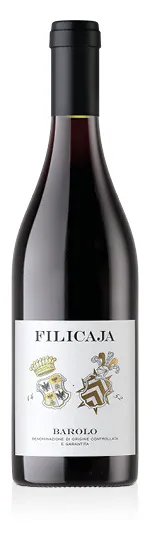
Barolo DOCG 2022 Villa da Filicaja
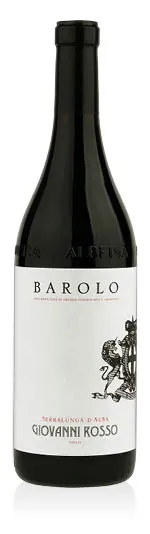
Barolo DOCG 2021 Giovanni Rosso

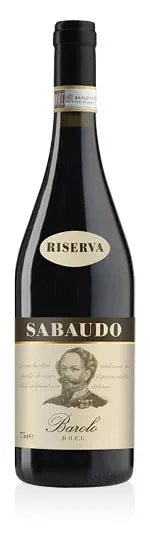
Barolo DOCG Riserva 2019 Sabaudo