 View all
 Champagne
 Sparkling Wines
 Red Wines
 White Wines
 Rosé Wines
 Alcohol-free
 Bag in box
 Fortified Wines
 Passito Wines
 Cocktails
 Gin
Gin
 Liqueur
 Whisky
 Rum
Rum
 Grappa
 Alcohol-free
 Brandy
 Eau de vie
 Tequila
 Vodka
Vodka
 Mixology
 Beers
Beers
 Olive Oil
 Vinegar
 Accessories


Product details

Description
What type of wine it is
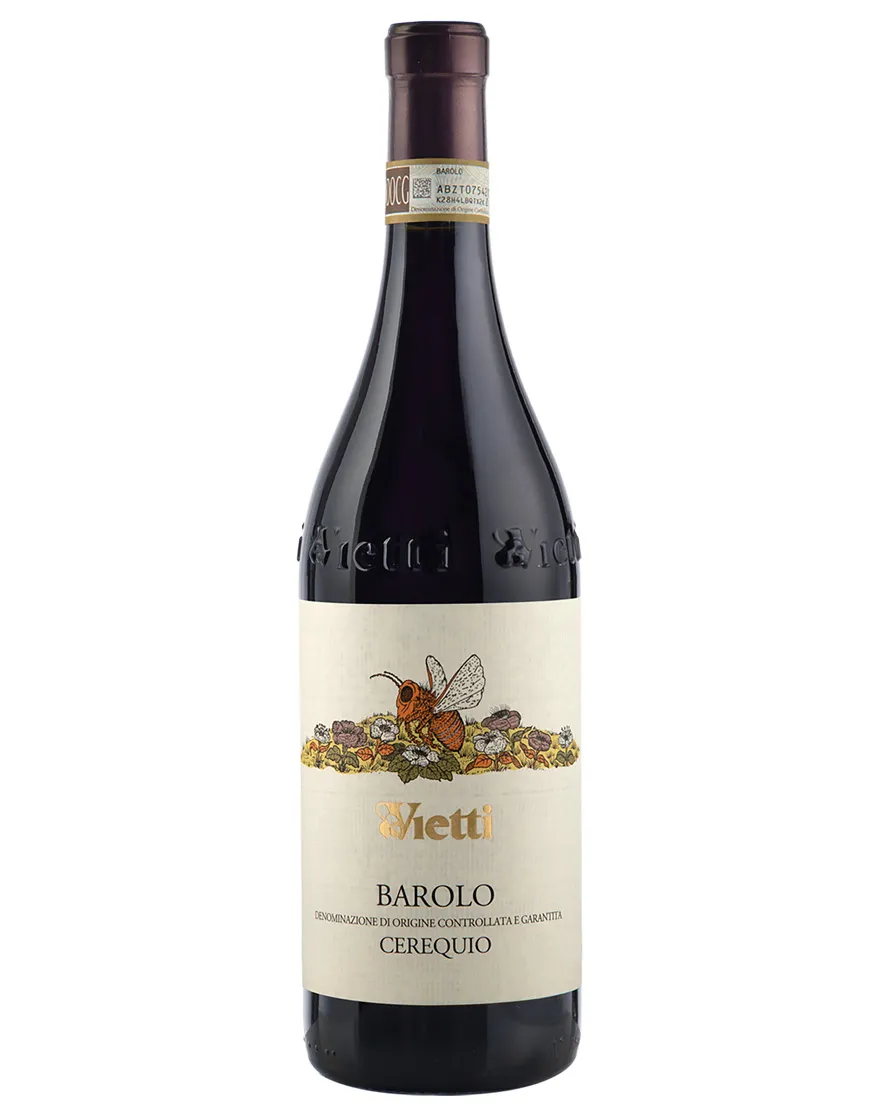
Barolo Cerequio Vietti is a red wine made from Nebbiolo grapes, grown in the Barolo area of Piedmont. It presents a full and structured profile, with fine tannins and an elegant texture, designed to evolve over time. Vinification takes place in steel tanks with a long maceration following the traditional submerged cap method, followed by malolactic fermentation in wood and an ageing process that defines its complexity and precision.
Where it comes from
The grapes come from the Cerequio vineyard, one of the most renowned sites in the Barolo area. The vines are located at about 320 meters altitude and have an average age of 37 years, factors that contribute to consistently high quality. The soils are mainly silty and include the Marne di Sant’Agata, a component that enhances structure and finesse.
How it's made
After harvesting, fermentation takes place in steel tanks for about a month, with pre- and post-fermentation macerations and traditional submerged cap management to achieve gradual extraction. Malolactic fermentation occurs in wood. Ageing lasts about 30 months in large oak casks, with a small portion in barriques, and the wine is bottled without filtration.
Tasting notes
On the eye, it shows an intense ruby red color. The nose reveals ripe red fruits and fine spices, with a complex and orderly bouquet. The palate is full and enveloping, with citrus hints of orange and mandarin; the tannins are fine and noticeable, supporting the wine’s persistent structure. The finish is balanced and elegant, with balsamic notes.
Food pairings
It pairs well with roast meats, braised dishes, and game, thanks to its structure and tannins which complement rich recipes and slow-cooked dishes. The persistence and spicy notes enhance the succulence and savoriness of hearty dishes, remaining in harmony with a cuisine focused on meats and sauces.
When to serve
This is a red wine to choose when you want structure and long persistence, perfect for important lunches and meat-based dinners. The extended ageing in wood and rich tannic texture suggest good ageing potential in the bottle. It can also be enjoyed young for its aromatic clarity, but it tends to show its best after a few years of cellaring.
11 products of Vietti View all
11 products of Vietti

Langhe DOC Nebbiolo Perbacco 2023 Vietti

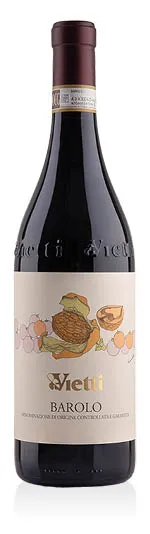
Barolo DOCG 2021 Vietti


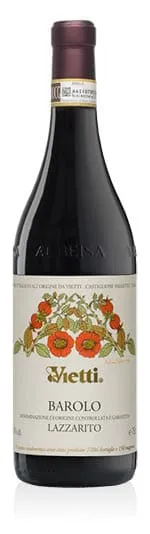
Barolo DOCG Lazzarito 2020 Vietti
You may also be interested in
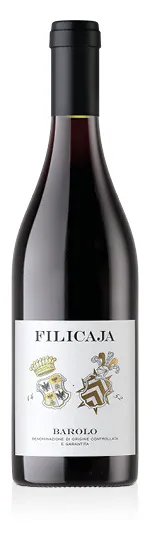
Barolo DOCG 2022 Villa da Filicaja
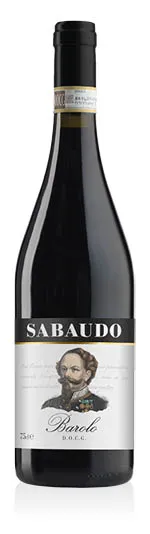
Barolo DOCG 2022 Sabaudo
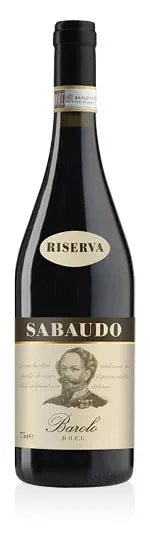
Barolo DOCG Riserva 2019 Sabaudo
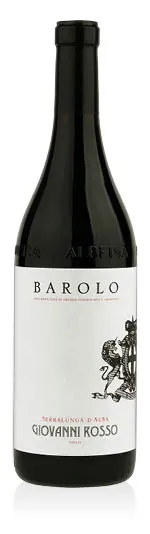
Barolo DOCG 2021 Giovanni Rosso
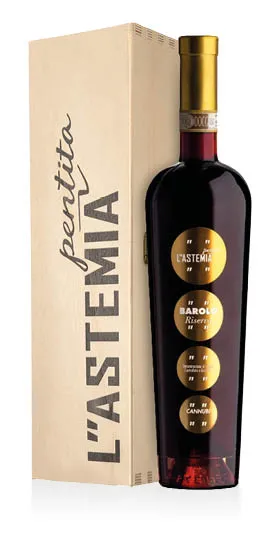
Barolo DOCG Cannubi Riserva 2014 L'Astemia Pentita