 View all
 Champagne
 Sparkling Wines
 Red Wines
 White Wines
 Rosé Wines
 Alcohol-free
 Bag in box
 Fortified Wines
 Passito Wines
 Cocktails
 Gin
 Liqueur
 Whisky
 Rum
 Grappa
 Alcohol-free
 Brandy
 Eau de vie
 Tequila
 Vodka
 Mixology
 Beers
 Olive Oil
 Vinegar
 Accessories


Product details


Description
What kind of wine is it
The Barolo Pio by Pio Cesare is a dry red wine, made exclusively from Nebbiolo grapes. It’s not an entry-level Barolo: it is assembled from different parcels across the area to showcase the grape’s many nuances in a complete and balanced way. The result is a red with structured tannins yet elegant, with long persistence and strong aging potential.
Where it comes from
The grapes come from the family’s estate vineyards, spread across nine subzones of the Barolo area. In Serralunga are Ornato, Briccolina, Serra and Lirano; in Monforte, Mosconi; in Novello, Ravera; in La Morra, Roncaglie; and in Grinzane Cavour, Gustava and Garretti. Different positions and exposures give Nebbiolo distinct nuances, which Pio Cesare brings together in the final wine, following its house style since 1881.
How it is made
After a careful selection of the grapes, fermentation and a long maceration on the skins take place in stainless-steel tanks. The parcels are then assembled and the wine ages for about twenty-four months in large oak casks of French and Eastern European oak. A small portion also spends short periods in French barriques. This is followed by a long rest in bottle, which increases its approachability even in youth.
Tasting notes
On the nose and palate, ripe fruit and spicy notes emerge. In the mouth, the tannins—structured and complex—meet elegance and finesse and deliver a sip of good complexity. The finish is long and persistent.
Food pairings
It’s a substantial red for the table, pairing well with red meats braised and roasted, with game and with aged cheeses. In Piedmontese cuisine it marries with tajarin al ragù and with braised beef. Its structured sip also stands up to rich dishes, such as mushroom or truffle risottos.
When to serve it
It’s the wine for special lunches and dinners, when you want a characterful red to share at the table. Best enjoyed in a large-bowled glass, opening the bottle a little in advance to let the aromas express themselves. While enjoyable even in its youth, it has excellent aging potential and is also suited to the cellar.
11 products of Pio Cesare View all
11 products of Pio Cesare


Langhe DOC Nebbiolo 2023 Pio Cesare


Barolo Chinato DOCG Pio Cesare


Barolo DOCG Ornato 2021 Pio Cesare
You may also be interested in
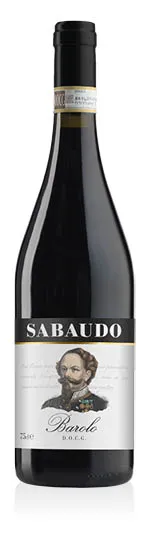
Barolo DOCG 2022 Sabaudo

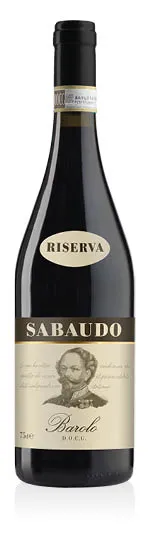
Barolo DOCG Riserva 2019 Sabaudo
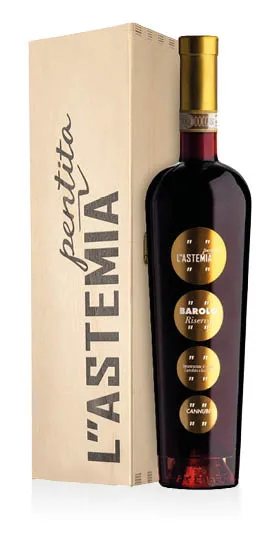
Barolo DOCG Cannubi Riserva 2014 L'Astemia Pentita


Barolo DOCG Monfalletto 2022 Cordero di Montezemolo
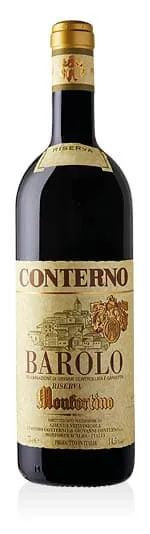
Barolo Riserva DOCG Monfortino 2020 Giacomo Conterno