 View all
 Champagne
 Sparkling Wines
 Red Wines
 White Wines
 Rosé Wines
 Alcohol-free
 Bag in box
 Fortified Wines
 Passito Wines
 Cocktails
 Gin
Gin
 Liqueur
 Whisky
 Rum
Rum
 Grappa
 Alcohol-free
 Brandy
 Eau de vie
 Tequila
 Vodka
Vodka
 Mixology
 Beers
Beers
 Olive Oil
 Vinegar
 Accessories


Product details

Description
What kind of wine is it
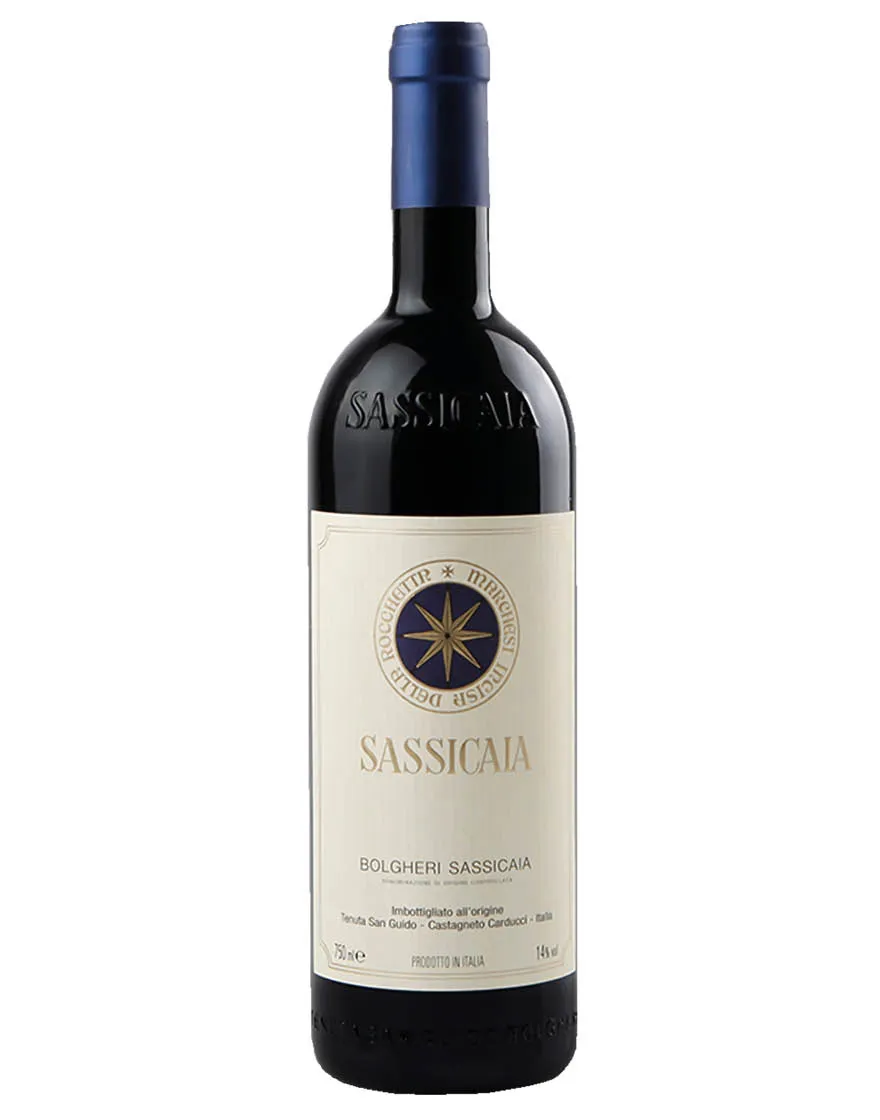
Bolgheri Sassicaia from Tenuta San Guido is a red made from Cabernet Sauvignon and Cabernet Franc. It shows a structured and complex style, with fine tannins and lively freshness. Aging helps broaden its aromatic profile and depth. This wine matures gracefully over time, offering precise drinking and a balance between structure and vibrant acidity.
Where it comes from
Sassicaia is born at Tenuta San Guido, in Bolgheri on the Tuscan coast. The vineyards are located between hills and plateaus, with varied altitudes and constant ventilation. The Mediterranean climate provides hot summers and mild winters. Sandy soils with calcareous skeleton and gravel promote regular ripening and aromatic concentration. Temperature variations support acidity and tannic definition, while the Bordeaux style interacts with the Maremma.
How it is produced
Harvesting is done by hand with careful selection of the bunches. In the cellar, great attention is paid to the care of the grapes and each processing stage, with aging that enhances complexity and longevity.
Tasting notes
On the eye, Sassicaia shows an intense ruby red color with garnet reflections. On the nose, it offers ripe red fruits, cherry and raspberry, together with aromatic herbs, black pepper, and light toasted and vanilla notes. On the palate, the entry is bold and harmonious, with silky tannins and precise freshness. The texture is full and enveloping, with a long persistence and fruity and spicy hints on the finish.
Pairings
Sassicaia pairs well with grilled red meats, such as Florentine steak, as well as beef braised dishes. It also has affinity with stewed wild boar, a Tuscan specialty that highlights the tannic texture and spicy aromas. Roasted beef with Mediterranean herbs also works well, as the softness of the sauce balances the tannic component. These pairings enhance complexity and flavor balance.
When to serve it
Sassicaia expresses its best qualities after proper ageing in the cellar, reaching elegance and harmony. It is suitable for important occasions and tastings dedicated to the evolution of its bouquet and tannic structure. In its youth, it already offers satisfying drinking thanks to the silkiness of the tannins; over time, it develops tertiary notes and greater integration.
4 products of Tenuta San Guido View all
4 products of Tenuta San Guido


Toscana IGT Le Difese 2024 Tenuta San Guido

Toscana IGT Guidalberto 2023 Tenuta San Guido

Bolgheri DOC Sassicaia 2023 Tenuta San Guido
You may also be interested in
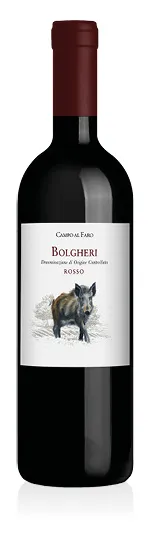
Bolgheri DOC Rosso 2023 Campo al Faro
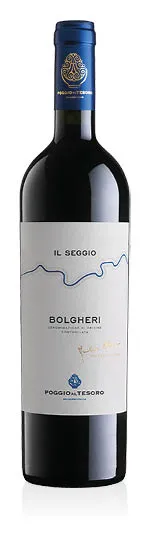
Bolgheri DOC Il Seggio 2023 Poggio al Tesoro
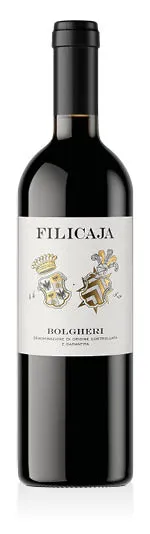
Bolgheri DOC 2022 Villa da Filicaja
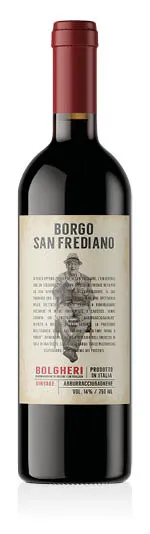
Bolgheri DOC Abburracciugagnene 2023 Borgo San Frediano

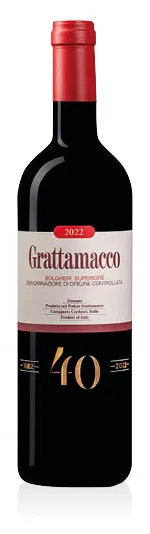
Bolgheri Superiore DOC 2022 Grattamacco