 View all
 Champagne
 Sparkling Wines
 Red Wines
 White Wines
 Rosé Wines
 Alcohol-free
 Bag in box
 Fortified Wines
 Passito Wines
 Cocktails
 Gin
Gin
 Whisky
 Liqueur
 Grappa
 Rum
Rum
 Alcohol-free
 Brandy
 Eau de vie
 Tequila
 Vodka
Vodka
 Blonde
 Red
Red
 Amber
Amber
 Dark
Dark
 Mixology
 Beers
Beers
 Olive Oil
 Vinegar
 Accessories
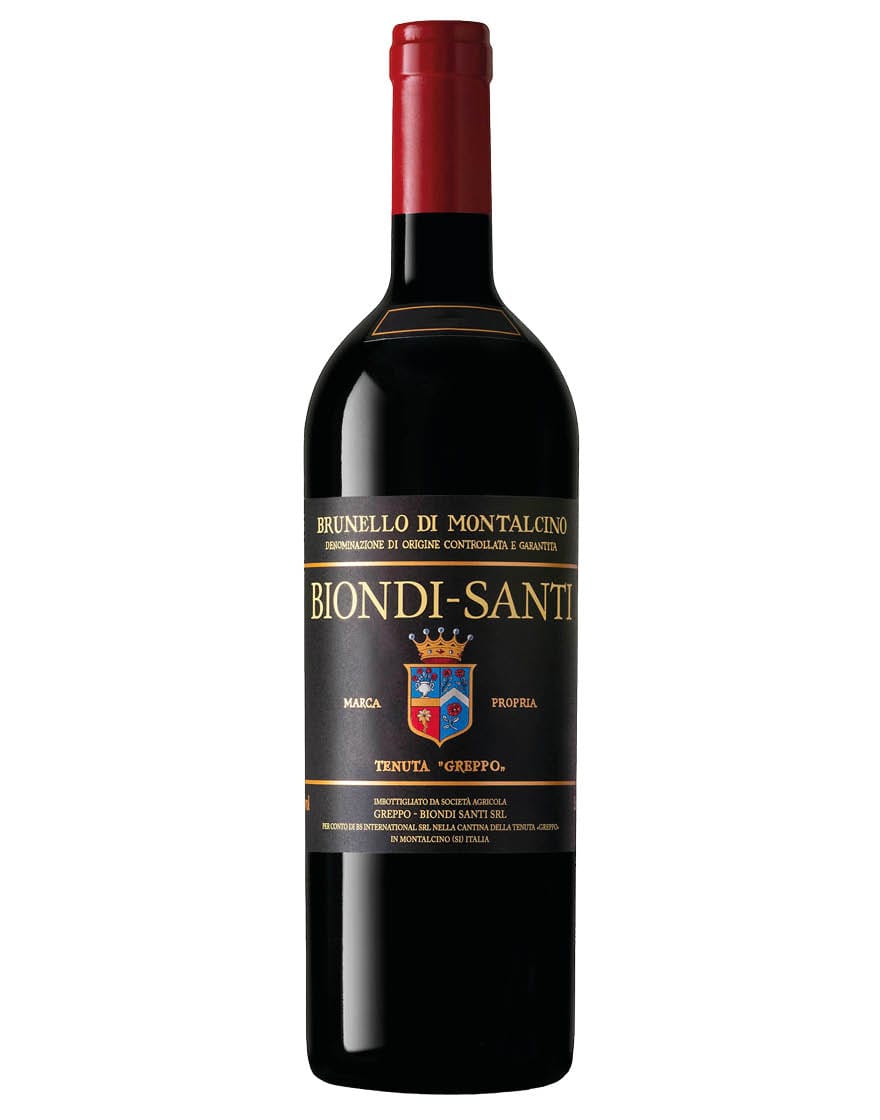
Product details

Description
What kind of wine it is
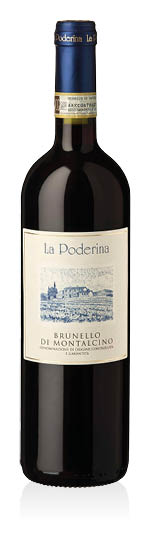
Brunello di Montalcino by Biondi-Santi is a still red wine made from Sangiovese Grosso, produced in Montalcino, Tuscany. It features an elegant and structured style, with precise acidity and dense tannins, designed for long-term evolution in the bottle. Vinification takes place in steel, wood, and cement vats, then aging continues in medium and large Slavonian oak casks, which preserve aromatic definition and balance. The profile remains clear and complex, true to the Biondi-Santi tradition.
Origin
This wine is born in the hilly territory of Montalcino, in the province of Siena, at the Greppo Estate overlooking the Val d'Orcia and Mount Amiata. The altitude and variable exposures create significant temperature swings between day and night, which help fix aromas and freshness. The soils alternate between galestro, clay, and stony sections, offering good drainage with steady ripening. The ventilated Mediterranean climate, with cool influences from the surrounding heights, shapes a taut Sangiovese with distinct tannins and a strong aging capacity.
Production method
Harvest involves a careful selection of grape clusters, and in cool or rainy years, dry winds help keep the grapes healthy before harvest. The grapes are destemmed and fermented in stainless steel, wood, and cement vats so the winery can adjust extraction and temperature control. Maceration on the skins allows for controlled extraction of color and tannins. Aging takes place in medium and large Slavonian oak casks and promotes a slow, steady evolution without excessive toasting.
Tasting notes
In the glass, it shows a bright ruby red color with the typical transparency of Sangiovese and a dense texture. The nose offers a layered profile with notes of dried aromatic herbs, violet, orange zest, wild berries, and morello cherry, followed by hints of mint and faint evolutive nuances from the large cask. On the palate, it is succulent and linear, with lively acidity and well-polished tannins, sustaining a long and persistent progression. The finish leaves energy, cleanliness, and fruity and balsamic returns.
Food pairing
It pairs effortlessly with Tuscan dishes based on red meats, whether grilled or slow-cooked, and enhances mature cheeses. Its structure and freshness make it suitable for braised meats, roasts, and dishes with aromatic herbs. Regionally, it is ideal with bistecca alla fiorentina and Impruneta peposo, where tannins and acidity balance the juiciness. It also goes well with aged Tuscan pecorino and game stew, providing balance and persistence.
Serving suggestions
This is a red suited to special occasions and meat-based lunches, but also to dedicated tastings to appreciate its precision and complexity. Serve at 16–18 °C in large glasses and consider brief aeration or decanting if the wine is young. The structure supports long aging: it’s best enjoyed a few years after release and can evolve for over a decade, during which the tannins and tertiary notes further integrate. Storage in a cool, dark place helps maintain aromatic integrity and longevity.
2 products of Biondi-Santi Tenuta Greppo View all
2 products of Biondi-Santi Tenuta Greppo


Rosso di Montalcino DOC 2022 Biondi-Santi Tenuta Greppo


Brunello di Montalcino DOCG Riserva 2018 Biondi-Santi Tenuta Greppo
You may also be interested in
Brunello di Montalcino DOCG Castelgiocondo 2020 Frescobaldi
Brunello di Montalcino DOCG 2020 Geografico
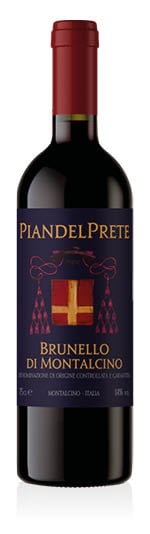
Brunello di Montalcino DOCG 2020 Pian del Prete
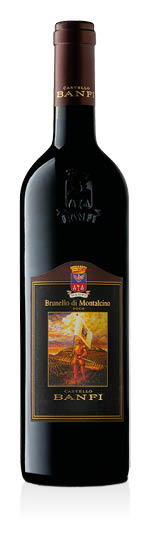
Brunello di Montalcino DOCG 2020 Banfi
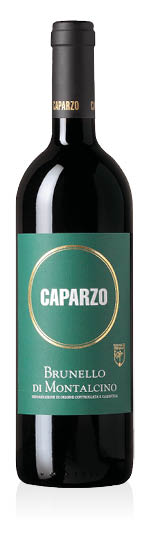
Brunello di Montalcino DOCG 2020 Caparzo