
 View all
 Champagne
 Sparkling Wines
 Red Wines
 White Wines
 Rosé Wines
 Alcohol-free
 Bag in box
 Fortified Wines
 Passito Wines
 Cocktails
 Gin
 Liqueur
 Whisky
 Rum
 Grappa
 Alcohol-free
 Brandy
 Eau de vie
 Tequila
 Vodka
 Mixology
 Beers
 Olive Oil
 Vinegar
 Accessories


Product details
Description
What kind of wine it is
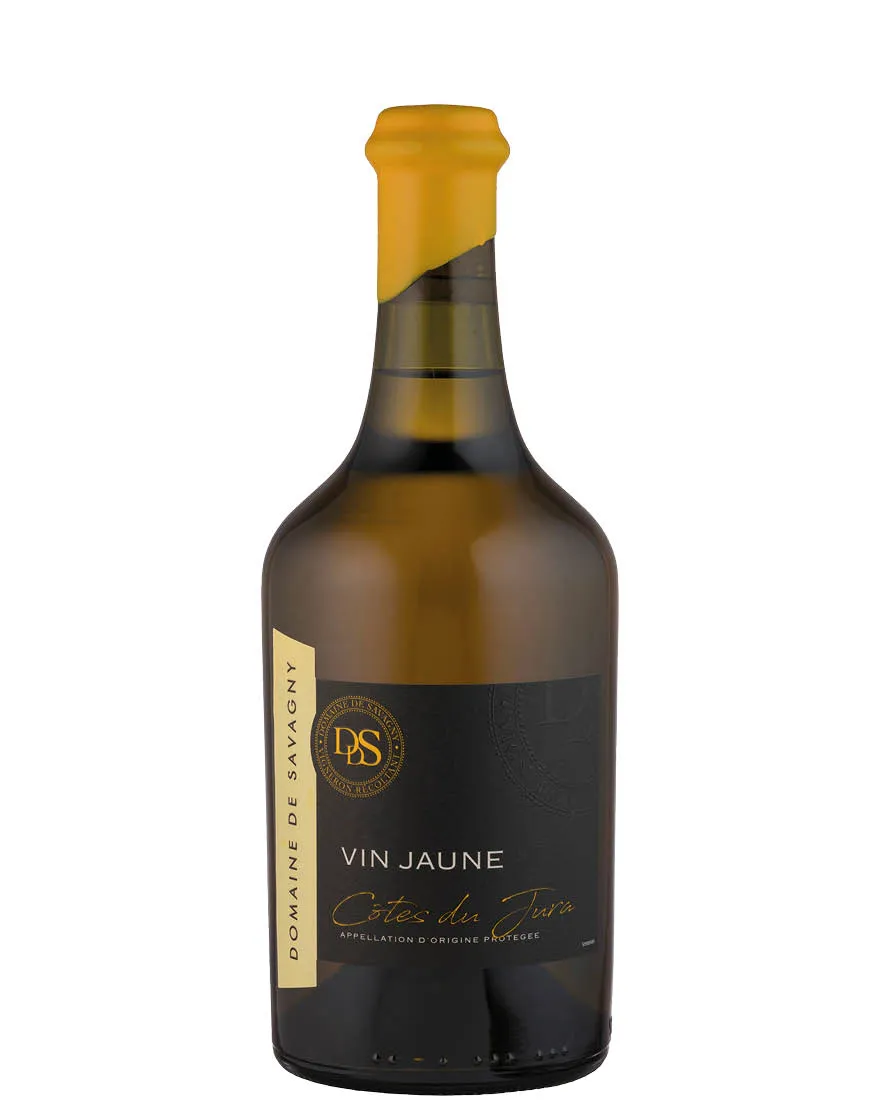
The Vin Jaune from Domaine de Savagny is a dry white wine in an oxidative style, a specialty typical of the Jura. It is made exclusively from Savagnin grapes, the emblematic white variety of this region. It stands out for its intense, deep character, far from fruity, immediate whites. It is offered in the 62 cl clavelin format, the bottle typical of this wine.
Where it comes from
The grapes are grown in the Jura, in France’s Côtes du Jura area, where Savagnin finds its chosen home. Domaine de Savagny interprets this terroir with a wine that conveys its identity and character. Vin Jaune is considered one of the most recognizable wines of the entire region and carries the savoir-faire of local winegrowers.
How it is made
The wine is made from 100% Savagnin, vinified using methods traditional to the area. It undergoes a long aging in oak barrels, conducted in untopped barrels, that is, not refilled: prolonged contact with air is what defines the wine’s oxidative style, much like what happens with Sherry. The result is a complex wine, built on time and patience.
Tasting notes
On the eye it shows an intense yellow color with golden highlights. The nose is broad and rich, with aromas of walnut, hazelnut and almond over a fruity backdrop, completed by spicy and woody nuances. The palate is dry and saline, medium-bodied, with a soft entry supported by good acidity. It finishes with a long persistence that recalls nuts and forest floor.
Food pairings
Vin Jaune pairs naturally with cheeses, particularly Comté and the hard or aged cheeses of the Jura. It works well with white meats, especially when accompanied by mushroom sauces, and with fonduta valdostana. It also suits gnocchi alla romana and is worth trying with Asian cuisine, where the savoriness and nutty notes find fine counterpoints.
When to serve it
It’s a wine to devote to a sit-down dinner with structured dishes, or to an unhurried tasting moment. Serve in a large-bowled glass, which allows the nutty aromas to emerge, and it’s best to open the bottle a little in advance. It is an extremely long-lived wine, able to evolve for over thirty years, making it suitable for cellaring.
6 products of Domaine de Savagny View all
6 products of Domaine de Savagny


Côtes du Jura AOC Vin de Paille 2019 Domaine de Savagny
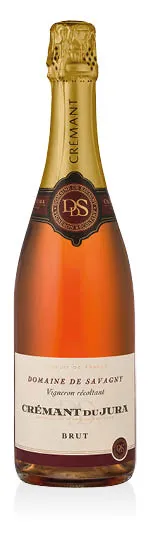
Crémant du Jura AOC Rosé Brut Domaine de Savagny


Côtes du Jura AOC Savagnin 2020 Domaine de Savagny
You may also be interested in


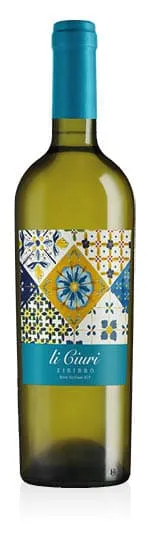
Terre Siciliane IGT Zibibbo 2024 Li Ciuri

Roero Arneis DOCG 2025 Sabaudo
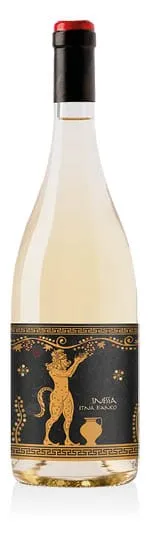
Etna Bianco DOC 2025 Inessa

Terre Siciliane IGP Traminer Aromatico-Sauvignon Blanc Kikè 2025 Fina

Südtirol - Alto Adige Terlano DOC Sauvignon Winkl 2025 Cantina Terlano
