 View all
 Champagne
 Sparkling Wines
 Red Wines
 White Wines
 Rosé Wines
 Alcohol-free
 Bag in box
 Fortified Wines
 Passito Wines
 Cocktails
 Gin
Gin
 Liqueur
 Whisky
 Rum
Rum
 Grappa
 Alcohol-free
 Brandy
 Eau de vie
 Tequila
 Vodka
Vodka
 Mixology
 Beers
Beers
 Olive Oil
 Vinegar
 Accessories


Product details
Description
What kind of wine is it
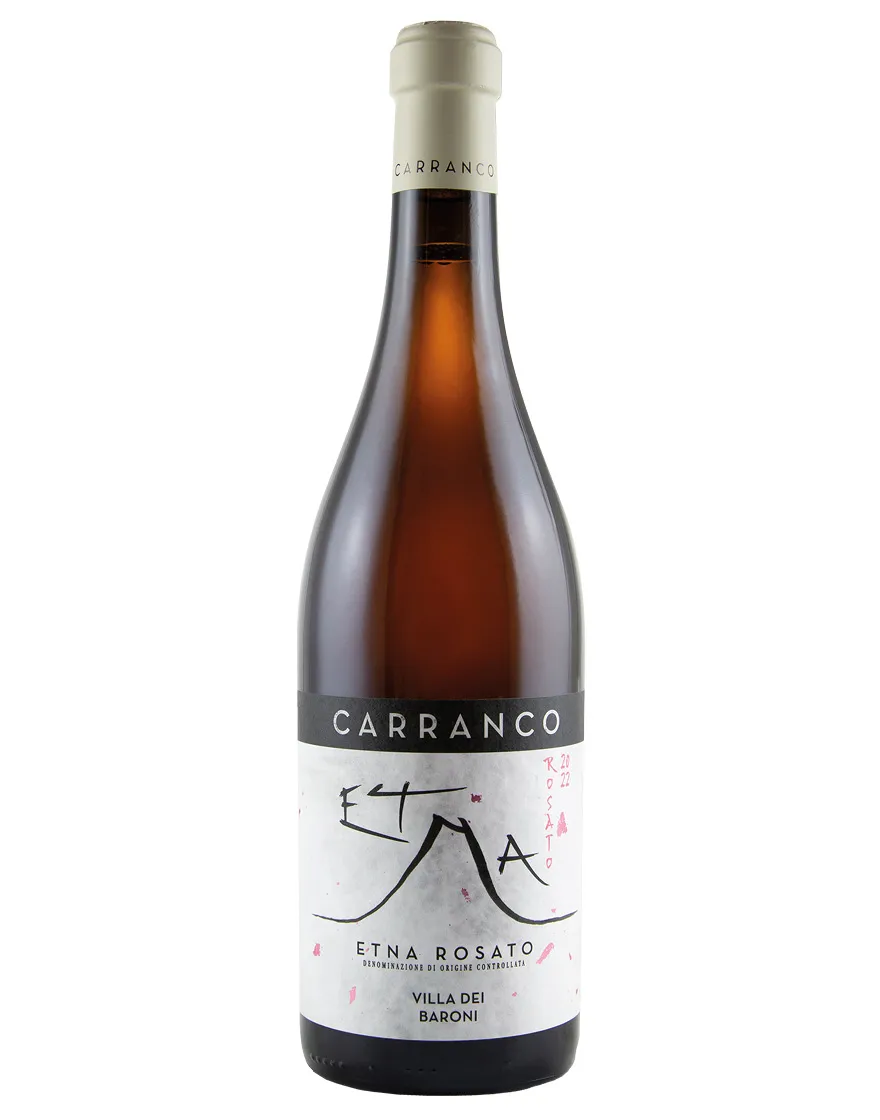
Etna Rosato Villa dei Baroni di Carranco is a rosé wine made from Nerello Mascalese grown on the northern slope of Etna. The volcanic setting influences the style, lending freshness and a clear mineral imprint. The winemaking process includes gentle pressing, fermentation in temperature-controlled stainless steel, and a short period of aging on fine lees, to deliver a full yet effortless profile.
Where it comes from
The vineyards are located in Castiglione di Sicilia, on the northern side of Etna, at about 500 meters altitude. The volcanic soils rich in minerals enhance the wine’s texture and saline sensation. The aspect between north and south, along with the elevation, allows for a balanced ripening and freshness, resulting in a vivid expression of the territory.
How it is produced
The grapes are hand-picked in small crates in October and carefully selected. After destemming and gentle crushing, a soft pressing follows to obtain a clear must. This is clarified at low temperatures and then fermented at 15–16 °C in stainless steel. Once fermentation is complete, the wine rests on its fine lees for about three months, enhancing complexity and structure without weighing down the palate.
Tasting notes
In the glass it shows a bright antique pink color. The aroma is fruity and clean, with notes of white mulberries, yellow melon, and wild berries, supported by a mineral accent. The palate is full and fresh, with a persistent finish marked by a savory sensation and balance that suggests promising evolution over time.
Food pairings
It pairs easily with seafood dishes, light appetizers, and vegetarian first courses. Its freshness supports delicate sauces, while its saline hint enhances simple preparations, keeping the aromatic profile clean and well-defined at the table.
When to serve
This is a rosé to choose when you desire a crisp, well-defined wine, suitable both as an aperitif and to accompany a seafood or vegetarian meal. The time spent on fine lees creates a balanced structure, making it enjoyable right away and intriguing after some evolution, allowing observation of the wine’s fruity and mineral character as it develops.
2 products of Carranco View all
2 products of Carranco


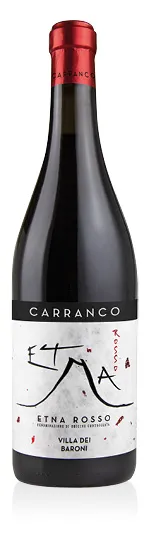
Etna Rosso DOC Villa dei Baroni 2021 Carranco
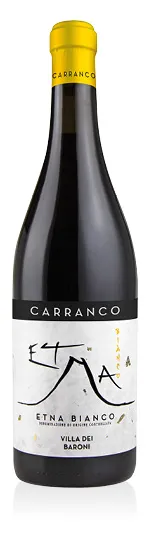
Etna Bianco DOC Villa dei Baroni 2024 Carranco
You may also be interested in


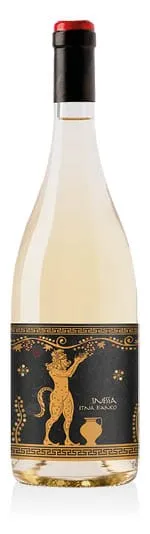
Etna Bianco DOC 2025 Inessa
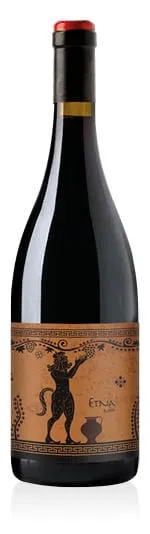
Etna Rosso DOC 2024 Inessa
Etna Bianco DOC Alta Mora 2024 Cusumano


Etna Bianco DOP Contrada Martinella Salisire 2019 Vivera