 View all
 Champagne
 Sparkling Wines
 Red Wines
 White Wines
 Rosé Wines
 Alcohol-free
 Bag in box
 Fortified Wines
 Passito Wines
 Cocktails
 Gin
Gin
 Liqueur
 Whisky
 Grappa
 Rum
Rum
 Alcohol-free
 Brandy
 Eau de vie
 Tequila
 Vodka
Vodka
 Mixology
 Beers
Beers
 Olive Oil
 Vinegar
 Accessories


Product details
 You can also order it by phone by speaking with us.

Description
What kind of wine is it?
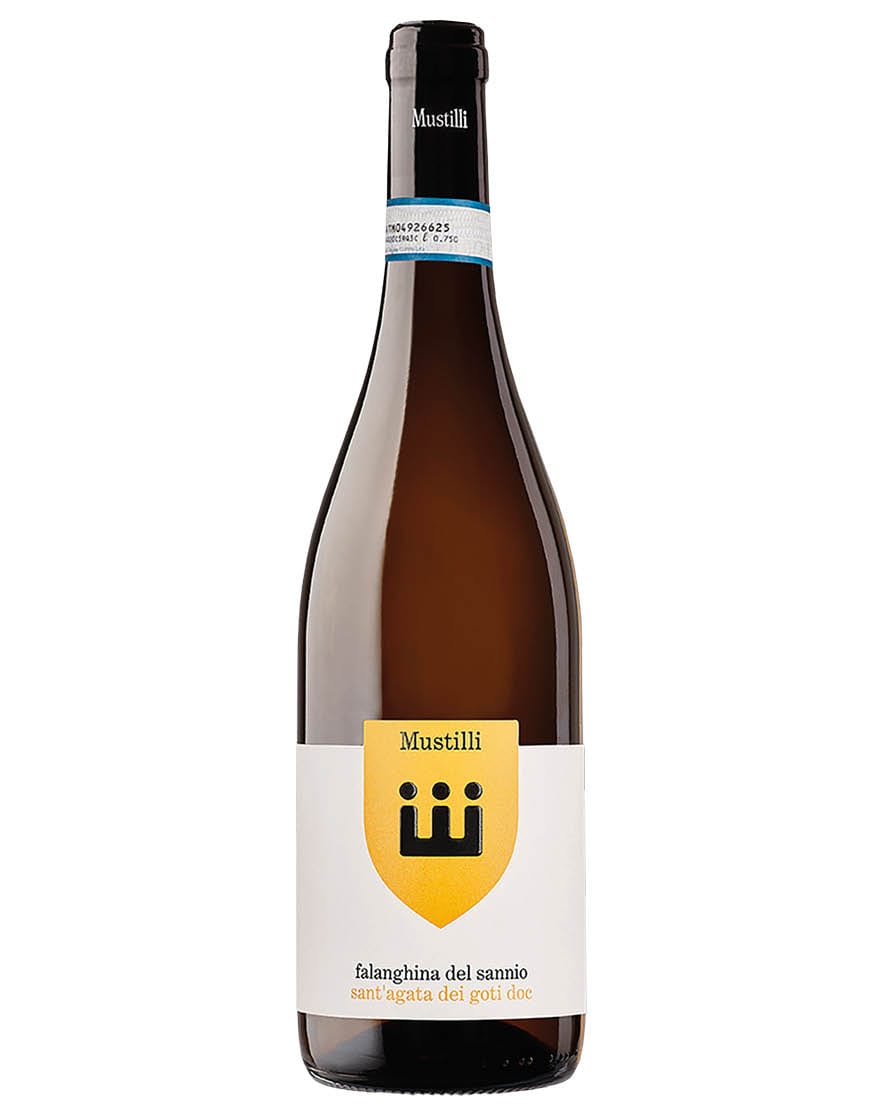
Falanghina del Sannio by Mustilli is a white wine made from Falanghina grapes. It stands out for its fresh and easy-drinking style, with a harmonious structure and elegant profile. The fermentation in stainless steel at controlled temperature enhances the fruity character and lively acidity, preserving the grape’s natural freshness.
Where does it come from?
This wine is born in the Presta, Pozzillo and Cesco di Nece vineyards, located in Sant’Agata dei Goti, at 250 meters above sea level. The volcanic and calcareous-clay soils on the south-western slopes of the Sannio hills offer minerality and flavor. The temperate climate, with strong temperature differences between day and night, encourages slow ripening of the grapes and preserves varietal aromas and a good balance between acidity and fruit.
How is it produced?
The Falanghina grapes are hand-harvested at just the right stage of ripeness. After destemming, fermentation takes place in steel vats at 15 °C for two weeks. The wine is then aged in the same vats, with periodic bâtonnage to increase smoothness and glyceric texture. The absence of wood aging maintains the typical character and freshness of the grape variety.
Tasting notes
In the glass it shows a straw-yellow hue with green-gold highlights. The nose expresses intense scents of Annurca apple and tropical fruit, accompanied by floral hints and a subtle spiciness. On the palate it is medium-bodied, dry, with vibrant freshness and good persistence. The finish recalls fruity aromas and a pleasant sapidity that invites another sip.
Food pairings
Falanghina del Sannio pairs well with seafood and shellfish such as oysters and Catalan-style prawns. It also matches rice timbales and dishes of stuffed pasta, for example ricotta and lemon ravioli. Among the typical pairings, it enhances spaghetti with clams and eggplant parmigiana, bringing out the wine’s sapidity and fruity notes.
When to serve it
This wine is made to be enjoyed young, within a few years of the harvest, to appreciate its freshness and varietal aromas. Serve slightly chilled, around 10-12°C, to highlight the fruity and mineral notes. Its balanced structure also allows for short bottle aging, with a profile that develops greater aromatic complexity.
5 products of Mustilli View all
5 products of Mustilli


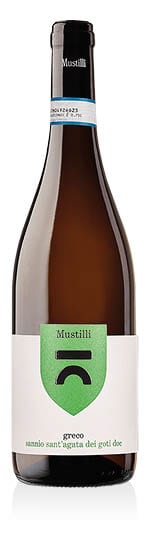
Sannio Greco DOC 2024 Mustilli


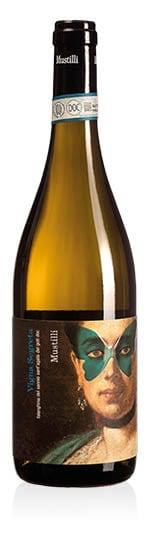
Sannio Falanghina Sant'Agata dei Goti DOC Vigna Segreta 2022 Mustilli
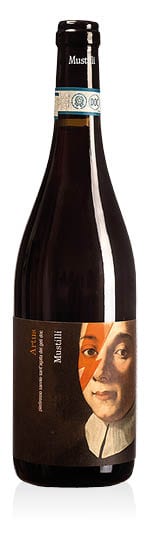
Sannio Piedirosso Sant’Agata dei Goti DOC Artus 2019 Mustilli
You may also be interested in

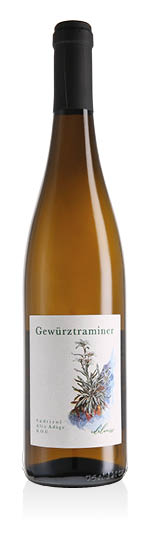
Südtirol - Alto Adige DOC Gewürztraminer 2025 Blumenfeld
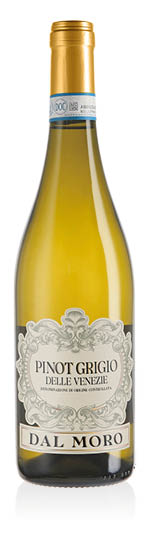
Pinot Grigio delle Venezie DOC 2025 Dal Moro
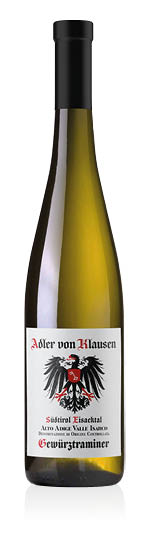
Südtirol - Alto Adige Valle Isarco DOC Gewürztraminer 2025 Adler von Klausen
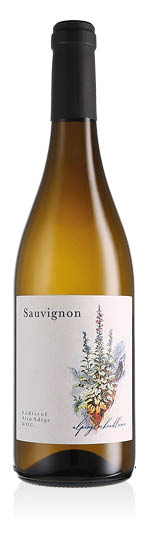
Südtirol - Alto Adige DOC Sauvignon 2025 Blumenfeld
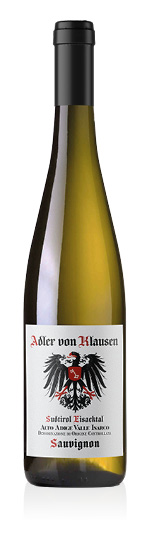
Südtirol - Alto Adige Valle Isarco DOC Sauvignon 2025 Adler von Klausen