 View all
 Champagne
 Sparkling Wines
 Red Wines
 White Wines
 Rosé Wines
 Alcohol-free
 Bag in box
 Fortified Wines
 Passito Wines
 Cocktails
 Gin
Gin
 Liqueur
 Whisky
 Grappa
 Rum
Rum
 Alcohol-free
 Brandy
 Eau de vie
 Tequila
 Vodka
Vodka
 Mixology
 Beers
Beers
 Olive Oil
 Vinegar
 Accessories


Product details
Description
What kind of wine it is
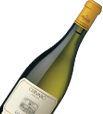
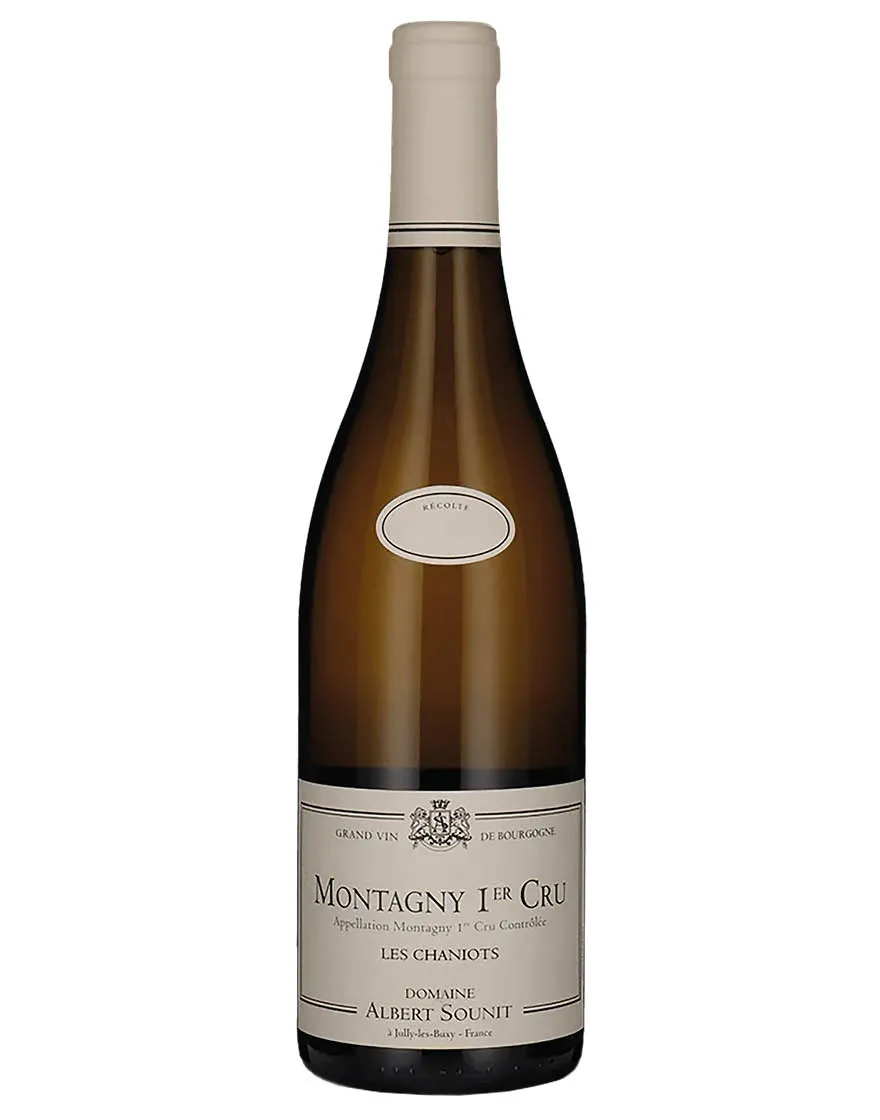
Montagny Premier Cru Les Chaniots by Albert Sounit is a white wine made exclusively from Chardonnay grapes grown organically. Its bright straw yellow color reveals a fresh and silky profile. Vinification in French oak barrels with a portion of new wood and the use of indigenous yeasts support this character. Sixteen months of aging in wood, followed by a short period in stainless steel, deliver an elegant balance and aromatic persistence that enhance the varietal’s typicity.
Where it comes from
The Les Chaniots vineyard lies east of Rully, in the Montagny Premier Cru area, in the heart of Burgundy. The Premier Cru designation highlights the quality and history of this terroir.
How it is made
Careful hand harvesting of the Chardonnay grapes ensures selection of only the best clusters. After gentle pressing, fermentation takes place in French oak barrels with some new wood and only indigenous yeasts. The wine matures for sixteen months in French oak barrels with indigenous yeasts. A brief rest in steel precedes bottling without filtration, preserving the wine’s aromatic integrity and natural character.
Tasting notes
Bright straw yellow with golden highlights in the glass. The bouquet displays peach and apricot notes with hints of vanilla and toasted almond from barrel aging. On the palate, a silky texture and initial freshness develop into a full, harmonious body, buoyed by pleasant acidity and a mineral finish featuring citrus echoes and a whisper of sweet spice.
Food pairings
This wine matches well with mushroom-based dishes, creamy risottos, and richly flavored fish such as baked sea bass or herb-roasted sea bream. Excellent also with omelette aux champignons and pike quenelles, classics of Burgundian cuisine. Its structure pairs well with semi-aged cheeses like Comté and with traditional French dishes such as roast volaille de Bresse.
When to serve
Serve at 10-12°C in wide tulip glasses to highlight aromas and structure. Enjoy young for its fresh bouquet; aging in wood can further develop its complexity over time.
2 products of Albert Sounit View all
2 products of Albert Sounit


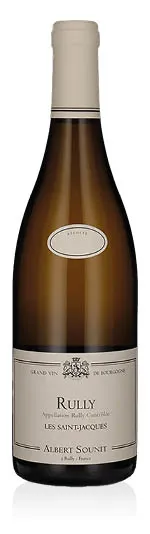
Bourgogne AOC Les Saint Jacques 2022 Albert Sounit
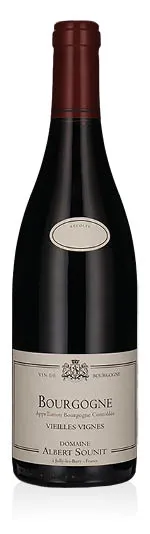
Bourgogne AOC Rouge Vieilles Vignes 2022 Albert Sounit
You may also be interested in


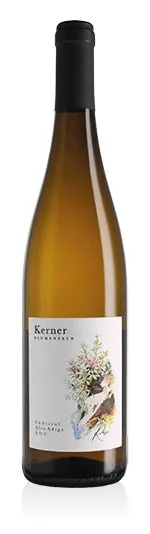
Südtirol - Alto Adige DOC Kerner 2025 Blumenfeld

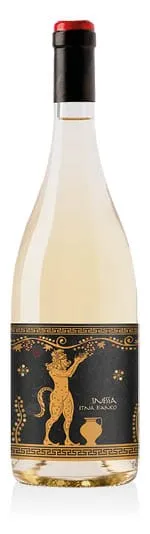
Etna Bianco DOC 2025 Inessa
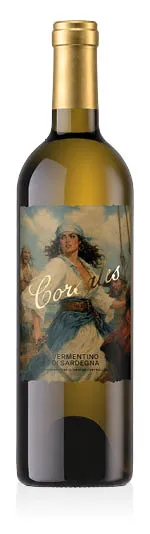
Vermentino di Gallura DOCG Superiore 2025 Corsales
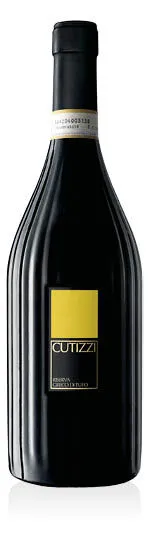
Greco di Tufo DOCG Riserva Cutizzi 2024 Feudi di San Gregorio
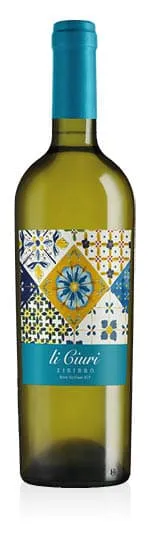
Terre Siciliane IGT Zibibbo 2024 Li Ciuri