 View all
 Champagne
 Sparkling Wines
 Red Wines
 White Wines
 Rosé Wines
 Alcohol-free
 Bag in box
 Fortified Wines
 Passito Wines
 Cocktails
 Gin
Gin
 Liqueur
 Whisky
 Rum
Rum
 Grappa
 Alcohol-free
 Brandy
 Eau de vie
 Tequila
 Vodka
Vodka
 Mixology
 Beers
Beers
 Olive Oil
 Vinegar
 Accessories


Product details
Description
What kind of wine is it
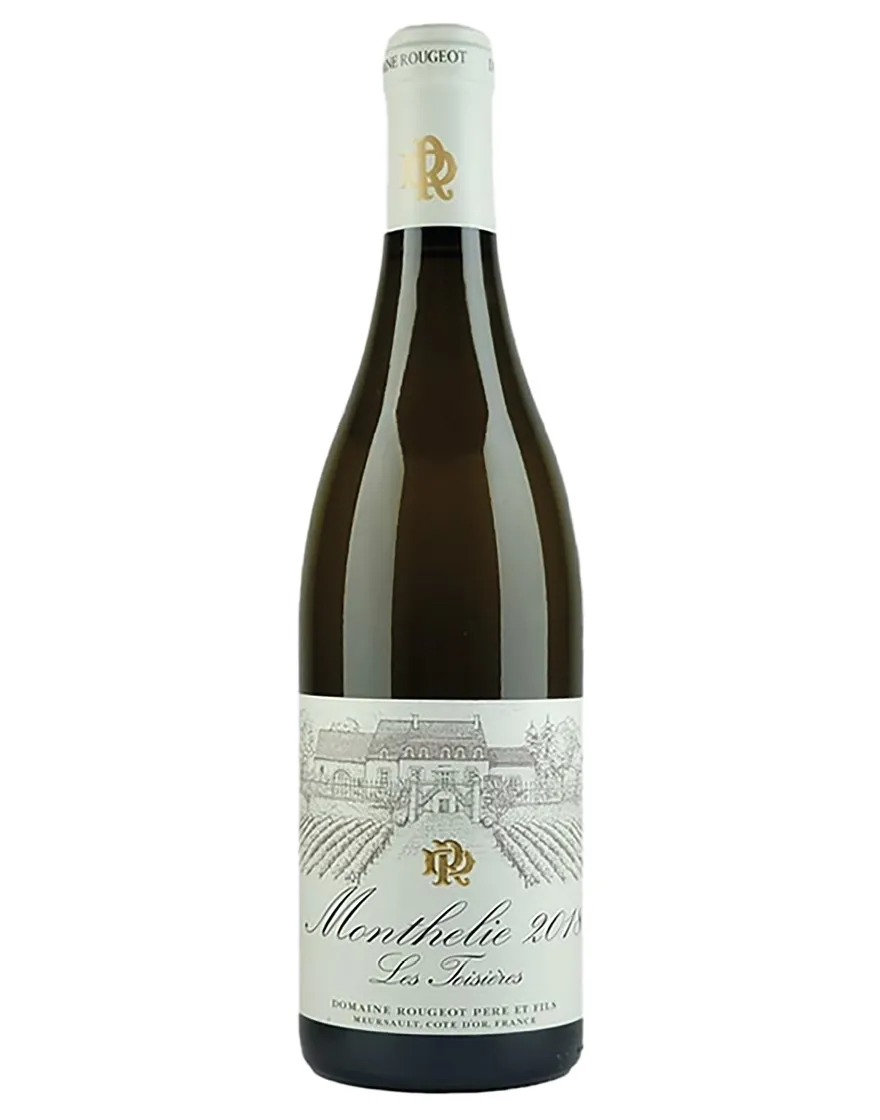
Monthélie Les Toisières by Rougeot is a white wine from the Côte de Beaune, made with the typical white grapes of the area. It stands out for its elegant and measured style, with a well-balanced structure that reflects the ripeness of the grapes. The winemaking process involves gentle pressing, natural settling, and fermentation in oak barrels, followed by prolonged ageing that preserves aromatic clarity and highlights the precision of the terroir.
Where does it come from
The grapes come from the Les Toisières climat in Monthélie, facing Meursault and near the Premier Cru La Taupine. The south-facing exposure ensures even ripening and well-integrated acidity. Monthélie, known for its Burgundy whites and reds, here expresses a restrained and linear profile.
How is it made
Harvesting is manual with careful selection of the bunches in the vineyard, so only healthy and ripe grapes are used. After slow pressing, the must is transferred to cement tanks for natural settling. Fermentation takes place in oak barrels and the wine is aged for 18 months with no new oak. This choice preserves the identity of the place and limits the aromatic impact of the wood, while the wine’s character remains authentic.
Tasting notes
Bright straw yellow in color with golden highlights. On the nose, notes of melon, apple, and fresh hazelnut emerge, with a subtle spicy hint from the used oak. On the palate, it is round and harmonious, with composed freshness supporting a creamy texture. The finish is clean, moderately persistent, and reflects the elegance and restraint typical of Monthélie.
Food pairings
Pairs well with baked fish dishes, delicate risottos such as asparagus risotto, and poultry in light preparations. The white fruit and hazelnut notes also complement soft, bloomy-rind cheeses served at the end of a meal.
When to serve it
Ideal for those seeking a precise and harmonious white Burgundy, suitable for sophisticated lunches and informal dinners. Serve between 10 and 12 °C, with possible aeration before serving to enhance the fruit and dried fruit notes. Thanks to its balanced structure and barrel ageing, the wine is ready to drink but can also evolve in the cellar, developing greater aromatic complexity over time.
4 products of Domaine Rougeot View all
4 products of Domaine Rougeot


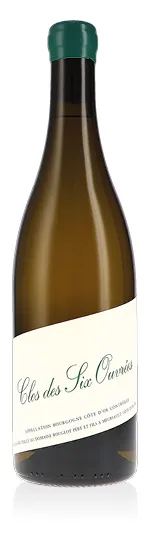
Bourgogne AOC Côte d'Or Clos des Six Ouvrées 2022 Domaine Rougeot
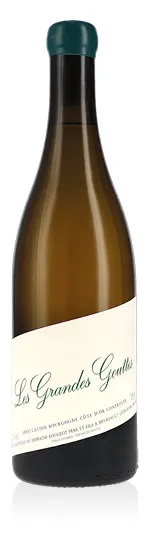
Bourgogne AOC Côte d'Or Les Grandes Gouttes 2022 Domaine Rougeot

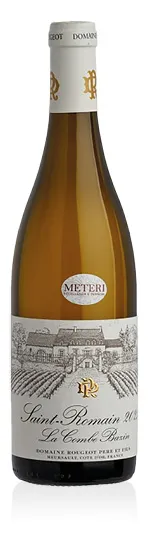
Saint-Romain AOC La Combe Bazin 2022 Domaine Rougeot
You may also be interested in


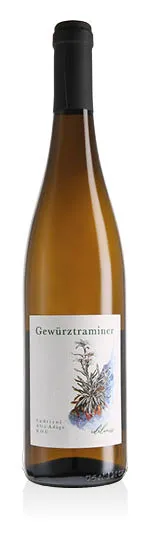
Südtirol - Alto Adige DOC Gewürztraminer 2025 Blumenfeld
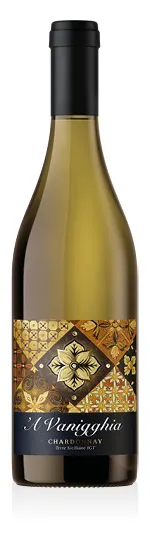
Terre Siciliane IGT Chardonnay 'A Vanigghia 2025 Li Ciuri
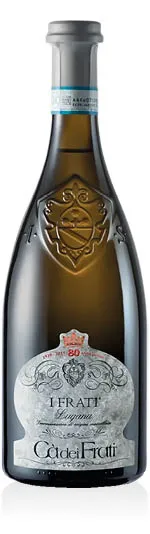
Lugana DOC I Frati 2025 Ca' dei Frati
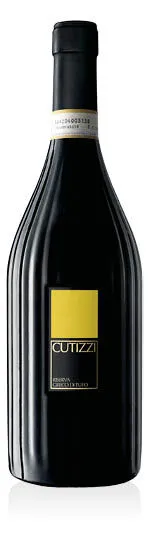
Greco di Tufo DOCG Riserva Cutizzi 2024 Feudi di San Gregorio
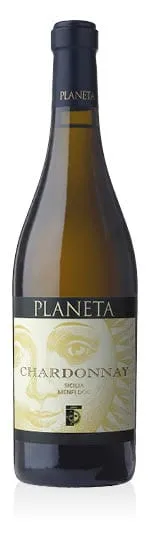
Sicilia Menfi DOC Chardonnay 2024 Planeta