 View all
 Champagne
 Sparkling Wines
 Red Wines
 White Wines
 Rosé Wines
 Alcohol-free
 Bag in box
 Fortified Wines
 Passito Wines
 Cocktails
 Gin
Gin
 Liqueur
 Whisky
 Rum
Rum
 Grappa
 Alcohol-free
 Brandy
 Eau de vie
 Tequila
 Vodka
Vodka
 Blonde
 Red
Red
 Amber
Amber
 Dark
Dark
 Mixology
 Beers
Beers
 Olive Oil
 Vinegar
 Accessories
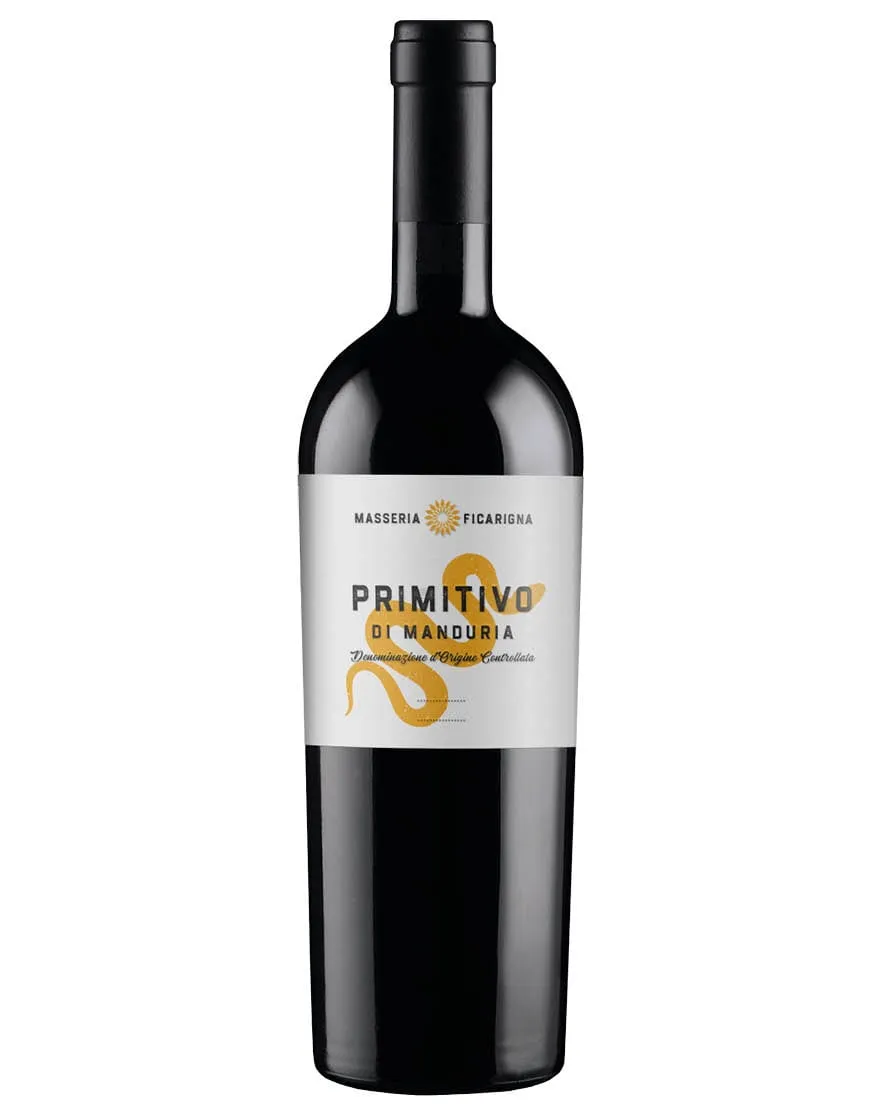


Product details

Description
What kind of wine is it?
Primitivo di Manduria by Masseria Ficarigna is a red wine made from Primitivo grapes grown in Salento. It shows a full-bodied and fruity style, with a medium to full body and a smooth profile that offers good persistence. Ageing in medium-toasted oak barrels adds structure and subtle toasted notes without overpowering the varietal’s freshness and intensity. The fermentation with temperature-controlled maceration enhances the fruit and defines a clear aromatic profile.
Where does it come from?
Masseria Ficarigna is located in the heart of Salento, in the Manduria area, between 50 and 100 meters above sea level. The Mediterranean climate, with hot summers and mild winters, ensures even ripening of the grapes. Limestone and clay soils provide moisture retention and minerals, which support the aromatic concentration typical of Primitivo and a pronounced savouriness for a bold and harmonious style.
How is it made?
The harvest takes place by hand at the end of September, with grape bunches selected at the right degree of ripeness. After crushing and destemming, the must ferments in stainless steel tanks at controlled temperature, with around 10 days of maceration to extract colour and tannins. After fermentation, the wine ages for four months in medium-toasted oak barrels and then rests briefly in bottle to stabilise the aromatic profile.
Tasting notes
In the glass, it appears deep ruby red, clear and consistent. The nose reveals aromas of ripe red fruit such as cherry and raspberry, with hints of bitter cocoa, vanilla, and light smoky notes from the barrel ageing. On the palate, it is dry, with a medium-full structure, soft tannins and well-integrated warmth. The lingering finish echoes fruity and toasted sensations perceived on the nose, offering consistency and balance.
Food pairings
This Primitivo di Manduria pairs well with grilled meats such as pork ribs or beef steak, and with hard cheeses like aged pecorino. Among regional pairings, it goes well with typical dishes such as orecchiette with turnip greens and is also a good match for roasted chestnuts. The fruity character and tannic structure enhance the bold flavours of these recipes.
When to serve it
Best enjoyed young, within the first three years, when its fruity liveliness and soft tannins are at their peak. Thanks to its balance of structure and acidity, it can evolve positively up to five years for those who prefer more toasted notes. Serve at 16-18 °C, uncorking the bottle at least half an hour beforehand to allow the aromas to open up.
7 products of Masseria Ficarigna View all
7 products of Masseria Ficarigna


Primitivo di Manduria Riserva DOC 2019 Masseria Ficarigna


Puglia IGT Negroamaro-Primitivo 2024 Masseria Ficarigna

Salento IGT Susumaniello 2021 Masseria Ficarigna
You may also be interested in
Primitivo di Manduria Riserva DOC Collezione del Conte 2022 Villa da Filicaja
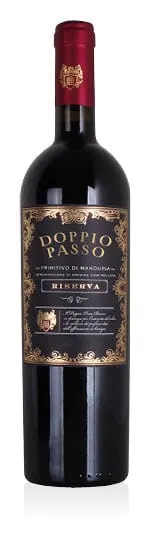
Primitivo di Manduria DOC Riserva 2022 Doppio Passo
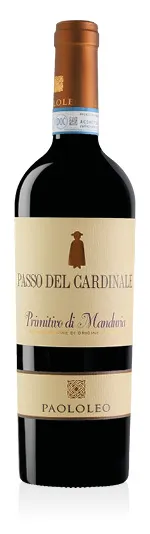
Primitivo di Manduria DOP Passo del Cardinale 2024 Paolo Leo

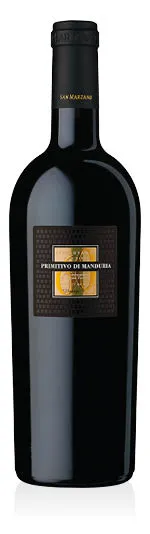
Primitivo di Manduria DOP Sessantanni Old Vines 2020 San Marzano
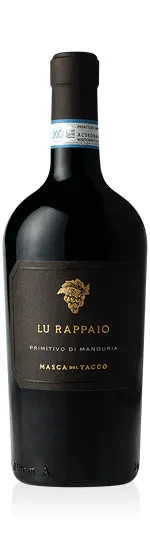
Primitivo di Manduria DOP Lu Rappaio 2024 Masca del Tacco