 View all
 Champagne
 Sparkling Wines
 Red Wines
 White Wines
 Rosé Wines
 Alcohol-free
 Bag in box
 Fortified Wines
 Passito Wines
 Cocktails
 Gin
Gin
 Liqueur
 Whisky
 Grappa
 Rum
Rum
 Alcohol-free
 Brandy
 Eau de vie
 Tequila
 Vodka
Vodka
 Blonde
 Red
Red
 Amber
Amber
 Dark
Dark
 Mixology
 Beers
Beers
 Olive Oil
 Vinegar
 Accessories


Product details

Description
What kind of wine is it
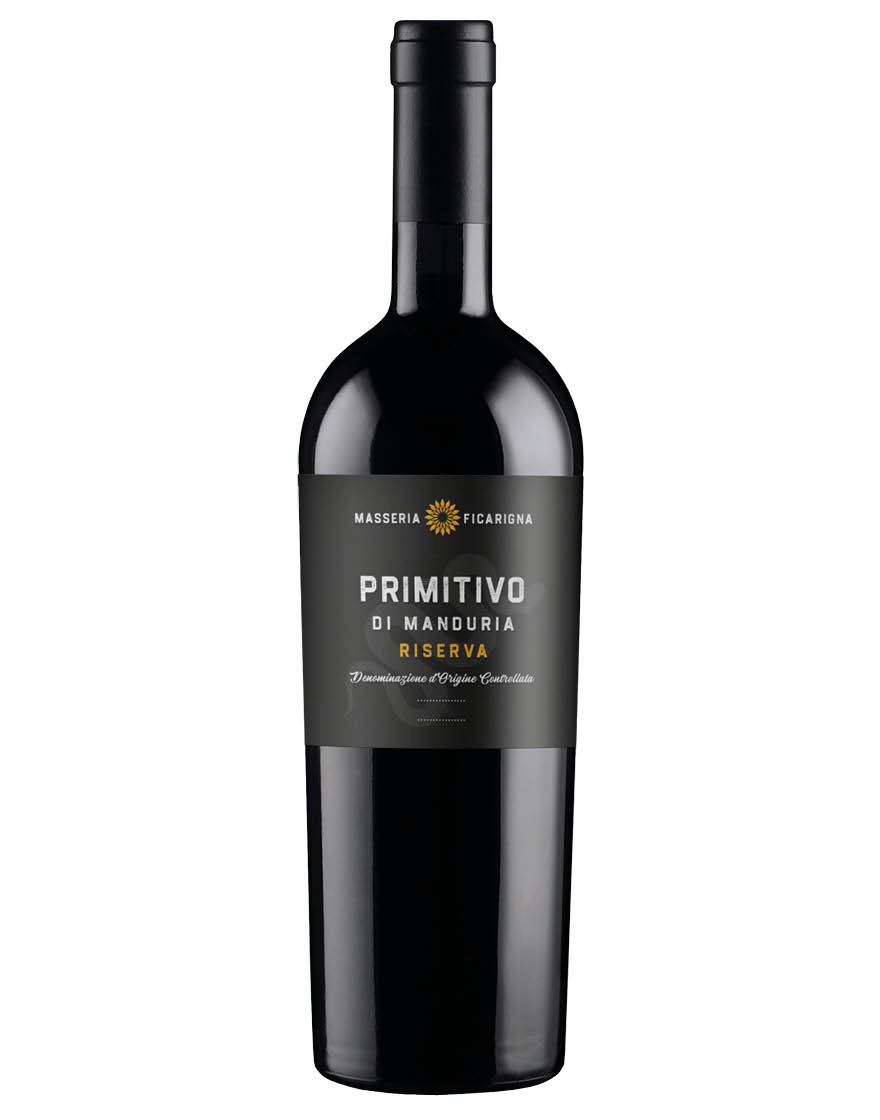
Primitivo di Manduria Riserva by Masseria Ficarigna is a red wine with a full and structured character, made from Primitivo grapes. The vinification includes fermentation in stainless steel and twelve months of aging in oak barrels, which lends a solid structure and a complex profile. The result is an enveloping sip, elegant texture, and an ability to develop over time.
Where it comes from
This wine originates in the countrysides of Manduria, in the heart of Salento, where the Mediterranean climate with mild winters and hot summers encourages full ripening of the grapes. The calcareous and clayey soils contribute to intense wines rich in structure. The area, historically devoted to viticulture, offers ideal conditions to express the character of Primitivo.
How it is made
Manual harvesting of Primitivo grapes allows for a careful selection of the bunches. After a gentle pressing, fermentation takes place in stainless steel at a controlled temperature with maceration of about fifteen days. The malolactic fermentation takes place in steel, followed by twelve months in French oak barrels. A brief rest in the bottle harmonizes aromas and structure.
Tasting notes
In the glass, Primitivo di Manduria Riserva displays an intense ruby red with garnet highlights. The olfactory profile offers ripe red fruit and plum jam aromas, with hints of vanilla, spices, and subtle balsamic nuances. On the palate it is dry and warm, with smooth tannins supporting the structure. The finish is persistent, with a toasted aftertaste from oak aging.
What it pairs with
Thanks to its structure and complexity, this wine pairs well with stewed meats, braises, and game. It is excellent with grilled red meats like pork chops or beef steak, and matches typical Apulian dishes such as bombette alla murgiana. Excellent with orecchiette with sausage ragù and baked pasta timbale, it also accompanies preparations such as white ossobuco.
When to serve it
Primitivo di Manduria Riserva shows its best between two and six years after bottling, a period when tannins and acidity become harmonious. The presence of wood can support evolution up to eight years, bringing further spicy and tertiary notes. It is recommended to serve at 16-18 °C and to open the bottle one hour beforehand to allow oxygenation and a more balanced sip.
6 products of Masseria Ficarigna View all
6 products of Masseria Ficarigna


Puglia IGT Negroamaro-Primitivo 2024 Masseria Ficarigna

Salento IGT Susumaniello 2021 Masseria Ficarigna
Puglia IGT Negroamaro Rosato 2024 Masseria Ficarigna
You may also be interested in


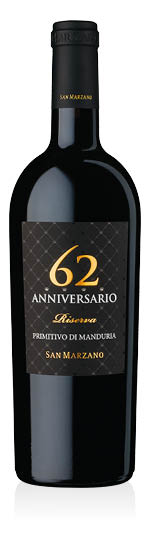
Primitivo di Manduria DOP Sessantanni Old Vines 2020 San Marzano
Primitivo di Manduria DOP Mirea 2024 Masseria Borgo dei Trulli
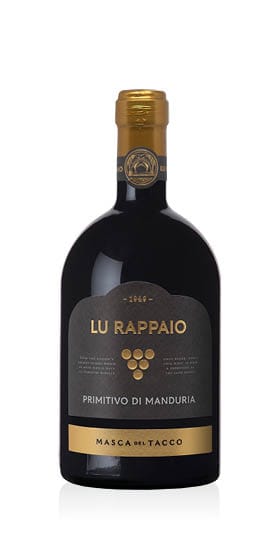
Primitivo di Manduria DOP Lu Rappaio 2024 Masca del Tacco

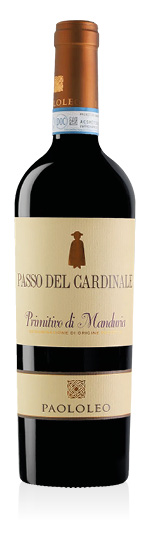
Primitivo di Manduria DOC Passo del Cardinale 2024 Paolo Leo
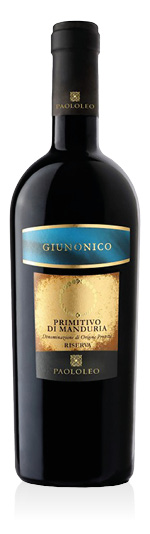
Primitivo di Manduria Riserva DOC Giunonico 2018 Paolo Leo