 View all
 Champagne
 Sparkling Wines
 Red Wines
 White Wines
 Rosé Wines
 Alcohol-free
 Bag in box
 Fortified Wines
 Passito Wines
 Cocktails
 Gin
Gin
 Liqueur
 Whisky
 Rum
Rum
 Grappa
 Alcohol-free
 Brandy
 Eau de vie
 Tequila
 Vodka
Vodka
 Blonde
 Red
Red
 Amber
Amber
 Dark
Dark
 Mixology
 Beers
Beers
 Olive Oil
 Vinegar
 Accessories


Product details
Description
What kind of wine is it
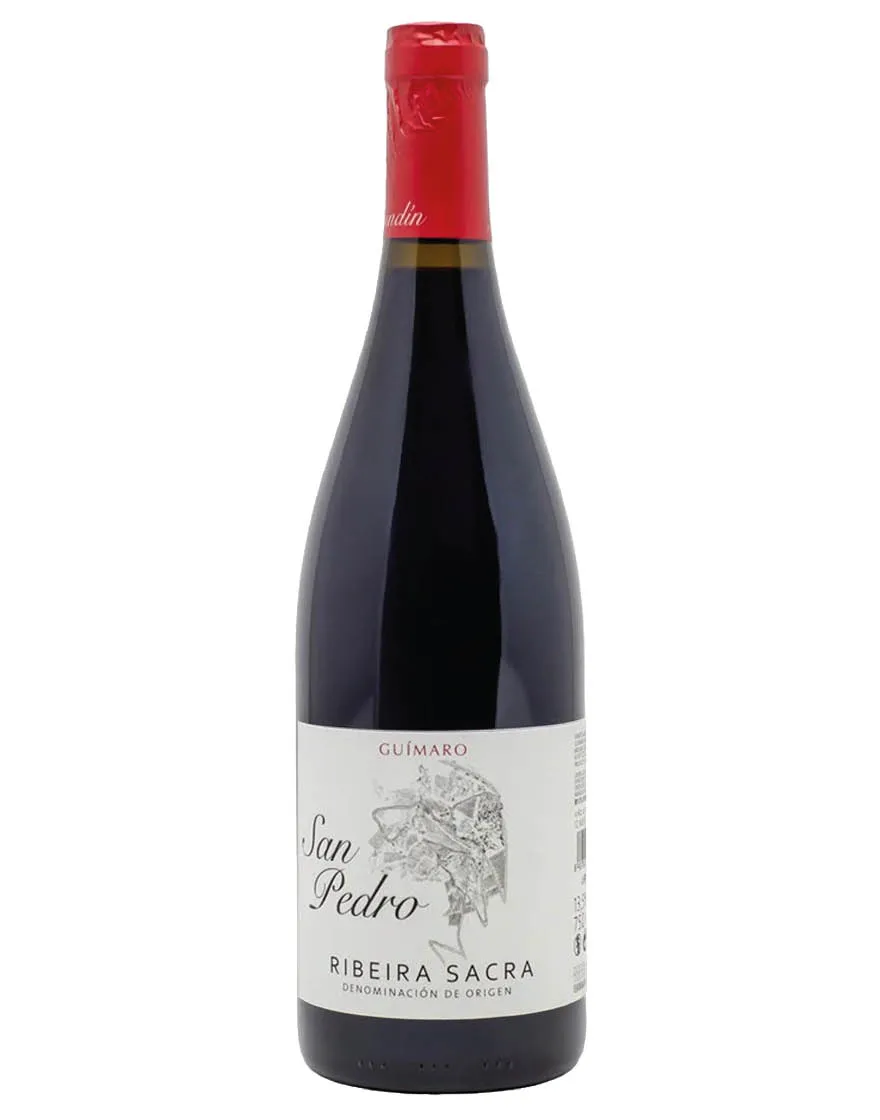
Guímaro San Pedro by Guímaro is a red wine from Ribeira Sacra made from Mencía, with contributions from Brancellao and Grenache. The wine displays a structured profile and aromatic complexity that reflect the local slate soils. Fermentation takes place with 40% whole clusters, while ageing is carried out for 18 months in large oval casks. This process accentuates freshness and minerality and offers a sense of place with good potential for evolution.
Where it comes from
Guímaro San Pedro originates from the Amandi subzone in the heart of Ribeira Sacra, on steep terraces overlooking the Sil River. The Atlantic climate is moderated by the vineyards' exposure, and the grapes ripen slowly. Slate soils, enriched with iron oxides, quartz, and mica, contribute to pronounced minerality and a balance between acidity and structure, with a strong territorial identity.
How it is made
Harvesting is carried out by hand in crates, with double grape selection in the vineyard and cellar to ensure quality. Fermentation occurs with 40% whole clusters. Ageing continues for 18 months in large oval casks. This approach preserves the expression of the terroir and the wine’s freshness.
Tasting notes
Guímaro San Pedro presents a deep garnet colour with violet highlights. On the nose, ripe red fruits like cherry and morello, with hints of violet and earthy notes typical of slate, emerge. Subtle sweet spices and gentle toast come from the ageing in wood. On the palate, it is full-bodied, with polished tannins, balanced acidity and a mineral savouriness that lengthens the finish, recalling red fruit and wet stone.
Food pairings
Guímaro San Pedro pairs well with roasted red meats, beef stews and braised game. Its structure matches perfectly with aged hard cheeses such as Tetilla and San Simón da Costa. For a regional pairing, it is ideal with Galician-style octopus and cocido gallego, dishes that enhance the wine’s savouriness and depth.
Serving suggestions
Guímaro San Pedro reveals its full complexity between 5 and 10 years after harvesting. Its structure and balanced acidity allow cellaring, which enhances depth and harmony. Serve at 16–18 °C, and open the bottle at least one hour beforehand to encourage oxygenation and aromatic expression.
7 products of Adegas Guímaro View all
7 products of Adegas Guímaro


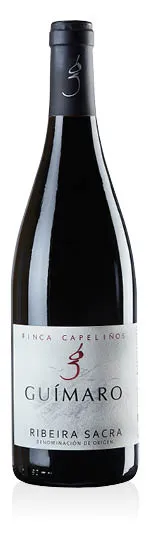
Ribeira Sacra DO Finca Capeliños 2023 Adegas Guímaro
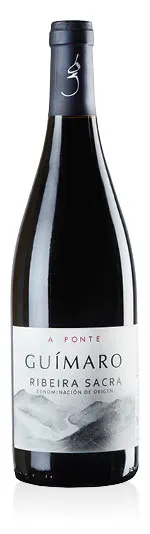
Ribeira Sacra DO A Ponte 2022 Adegas Guímaro
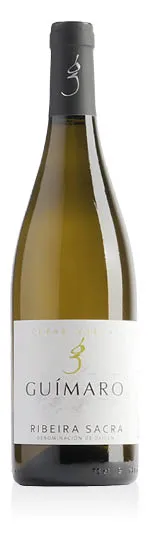
Ribeira Sacra DO Cepas Viejas 2024 Adegas Guímaro
You may also be interested in


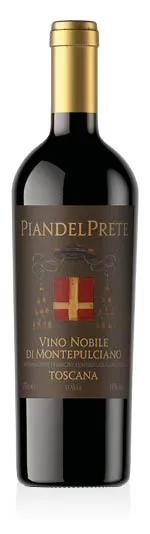
Vino Nobile di Montepulciano DOCG 2022 Pian del Prete
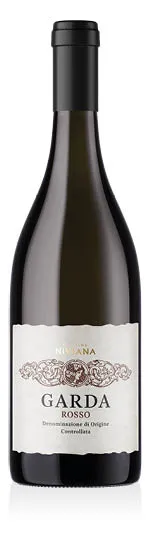
Garda DOC Rosso 2025 Niviana

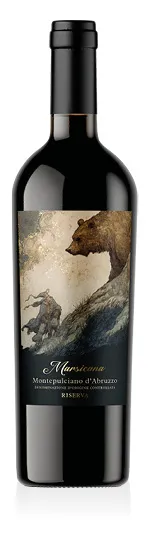
Montepulciano d'Abruzzo DOC Riserva 2020 Marsicana
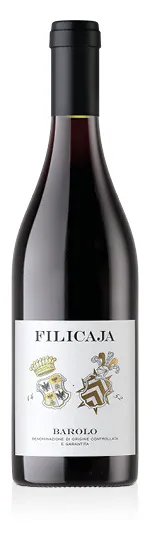
Barolo DOCG 2022 Villa da Filicaja
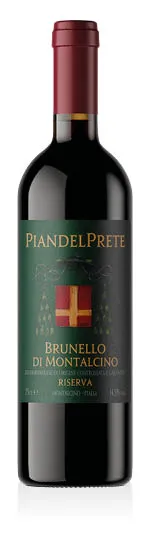
Brunello di Montalcino Riserva DOCG 2020 Pian del Prete