 View all
 Champagne
 Sparkling Wines
 Red Wines
 White Wines
 Rosé Wines
 Alcohol-free
 Bag in box
 Fortified Wines
 Passito Wines
 Cocktails
 Gin
Gin
 Liqueur
 Whisky
 Rum
Rum
 Grappa
 Alcohol-free
 Brandy
 Eau de vie
 Tequila
 Vodka
Vodka
 Blonde
 Red
Red
 Dark
Dark
 Amber
Amber
 Mixology
 Beers
Beers
 Olive Oil
 Vinegar
 Accessories


Product details

Description
What kind of wine is it
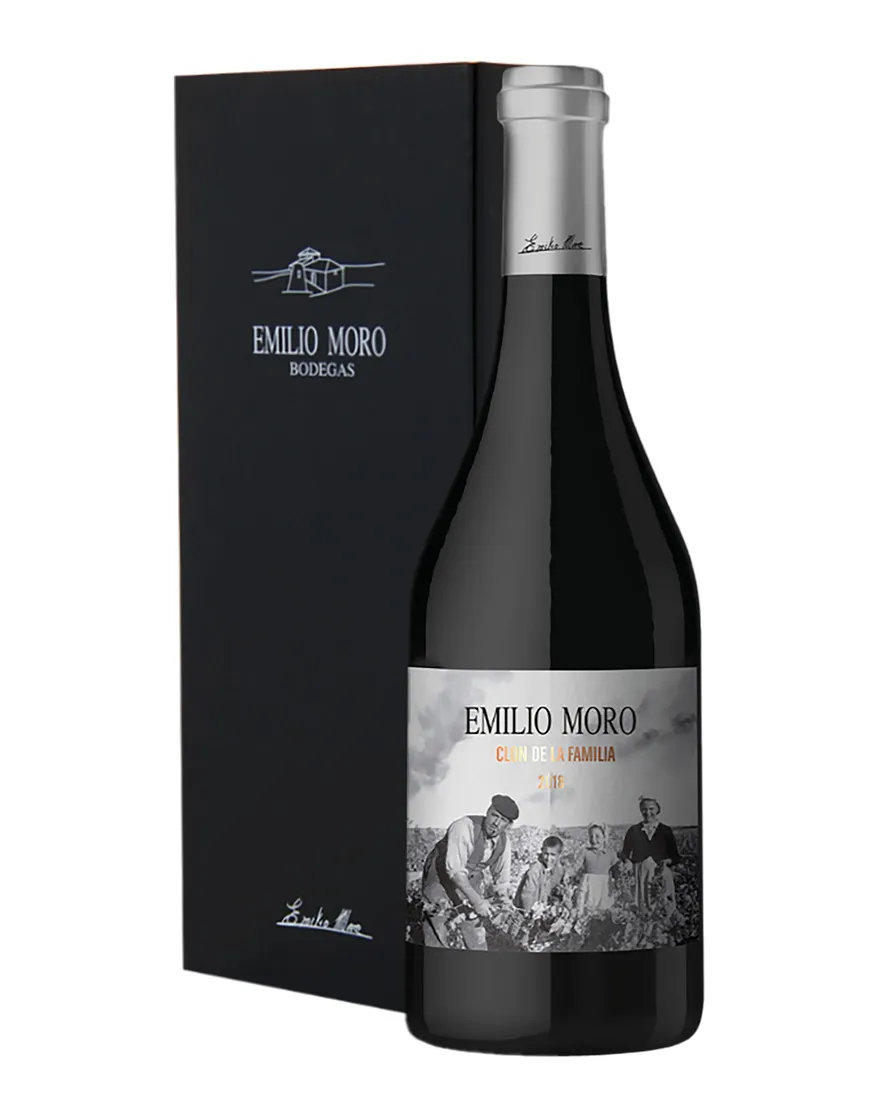
Clon de la Familia by Emilio Moro is a red wine from Ribera del Duero made from Tempranillo selected from the original clone of the estate's oldest vines. Its style is full and structured, with a silky texture and firm tannins, designed to combine intense fruit and complexity resulting from aging. The long maceration, malolactic fermentation in French oak barriques, and maturation in wood create a technical and precise profile, perfect for an important table and capable of evolving over time.
Where does it come from
The grapes come from emblematic parcels of the Ribera del Duero, in the heart of Castilla y León. The vineyards represent different soils, with calcareous-clay components and more stony areas, which affect drainage and vigor. This terroir diversity contributes to a deep color, energetic tannin, and compact fruit, reflecting the area’s style.
How is it produced
In the cellar, alcoholic fermentation takes place with a skin maceration of about 26 days, which helps to carefully extract color, aromas, and structure. Malolactic fermentation takes place in French oak barriques, immediately integrating the contribution of the wood. This is followed by a period of wood aging aimed at supporting balance and complexity, while keeping the fruit defined and the flavor progression orderly.
Tasting notes
In the glass, it displays an intense, consistent garnet color. The bouquet is complex and clean, with notes of ripe red and black fruits and spicy, toasted hints that reflect the use of barrique. On the palate it enters silky, then reveals a powerful and compact tannic structure without losing smoothness; the finish is warm and fruity, with long persistence.
Food pairings
At the table, it pairs easily with red meats and game, as its structure and tannins support succulence and intense preparations. It also goes well with aged cheeses, where saltiness and richness find balance in the tannic strength and fruity finish. It’s ideal with boldly flavored dishes and rich sauces.
When to serve it
It is suitable for important lunches and dinners, when you are looking for an intense yet refined red to accompany substantial dishes. It shows its best when served around 16–18 °C, preferably after some aeration to help open up the fruit and make the tannic texture more harmonious. The extractive substance and the barrique aging suggest a good propensity for evolution in the bottle, if properly stored.
6 products of Emilio Moro View all
6 products of Emilio Moro

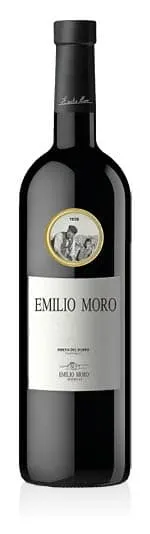
Ribera del Duero DO Tempranillo 2023 Emilio Moro


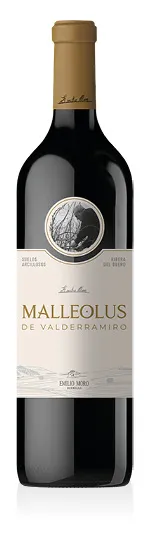
Ribera del Duero DO Malleolus de Valderramiro 2021 Emilio Moro
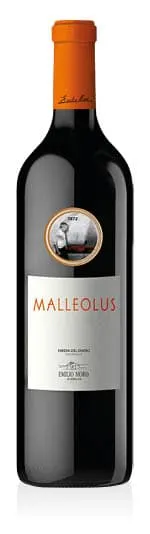
Ribera del Duero Tempranillo DO Malleolus 2022 Emilio Moro
You may also be interested in

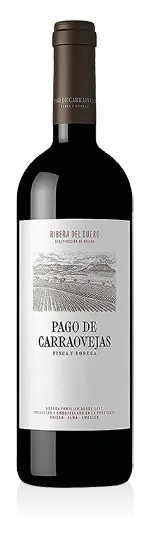
Ribera del Duero DO 2023 Pago de Carraovejas
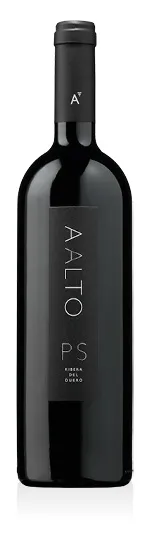
Ribera del Duero DO PS 2023 Aalto
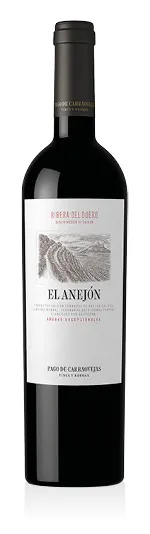
Ribera del Duero DO El Anejón 2021 Pago de Carraovejas
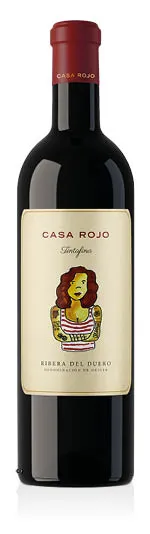
Ribera del Duero DO Tinta Fina 2021 Casa Rojo