 View all
 Champagne
 Sparkling Wines
 Red Wines
 White Wines
 Rosé Wines
 Alcohol-free
 Bag in box
 Fortified Wines
 Passito Wines
 Cocktails
 Gin
Gin
 Liqueur
 Whisky
 Grappa
 Rum
Rum
 Alcohol-free
 Brandy
 Eau de vie
 Tequila
 Vodka
Vodka
 Mixology
 Beers
Beers
 Olive Oil
 Vinegar
 Accessories


Product details

Description
What kind of wine is it
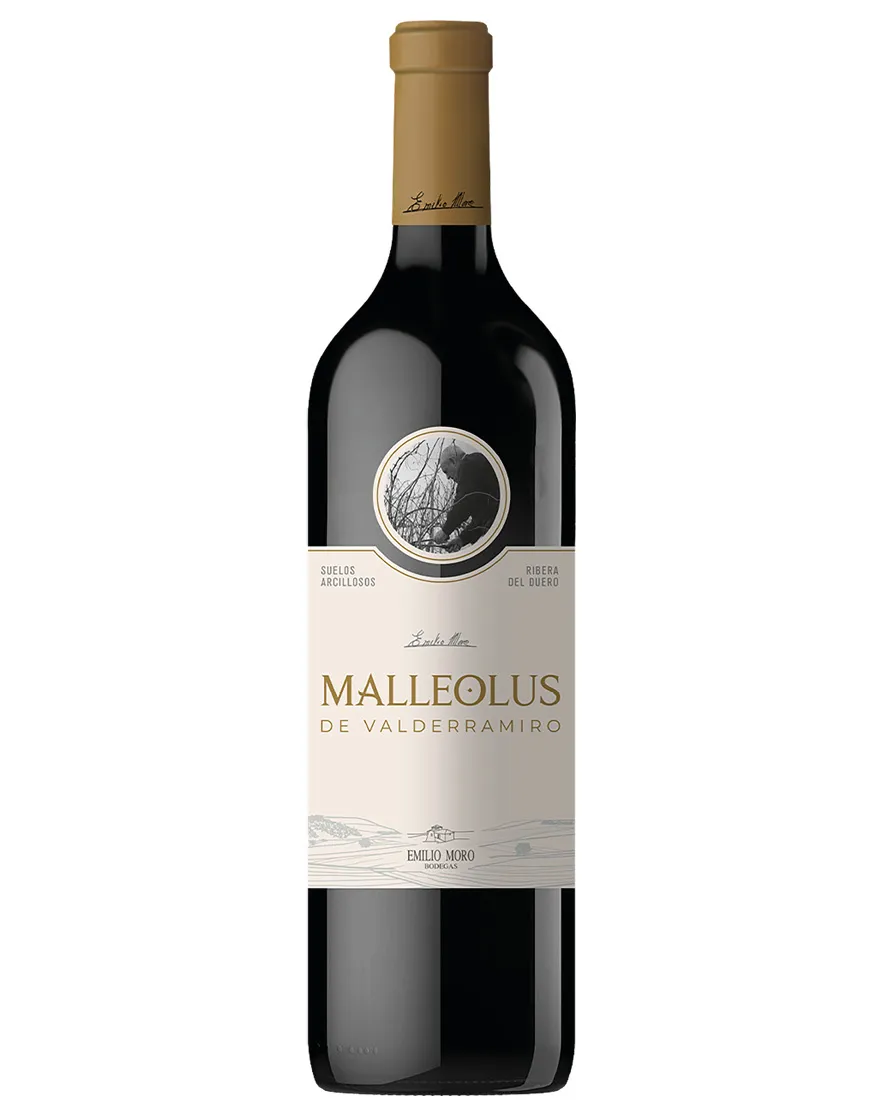
Malleolus de Valderramiro Emilio Moro is a red wine from Ribera del Duero made from Tempranillo grapes sourced from a single plot. It displays a full and structured profile, with well-defined ripeness and a dense tannic structure that supports its evolution. The vinification in steel with prolonged fermentation and subsequent maturation in barrique offer volume, balance and balsamic nuances, with a creamy touch linked to the aging in wood.
Where it comes from
It is produced in Spain, in Ribera del Duero, in the area of Pesquera de Duero. The grapes come from Pago de Valderramiro, a clay-soil plot planted in 1924, from which the wine takes its name. The identity of the vineyard and the age of the vines give the style intensity, structure and persistence, providing a clear territorial expression.
How it is made
Alcoholic fermentation takes place over about 26 days in small stainless steel tanks at controlled temperature, promoting a gradual extraction. This is followed by malolactic fermentation for about 30 days in American and French oak barriques, where aging continues. The time in wood integrates the structure and develops greater aromatic complexity.
Tasting notes
It displays a deep garnet color. On the nose, it is expressive and mature, with notes of black fruit and balsamic and lactic accents. The palate is intense yet balanced, supported by structure and persistence, with a long finish recalling the fruity sensations and fresher nuances.
Food pairing
Because of its structure and persistence, it pairs naturally with red meat dishes, game preparations and aged cheeses. The tannic texture and depth of flavor allow it to accompany robust cooking and intense flavors, while maintaining a clean and lasting finish.
When to serve
It excels in settings where a powerful and refined red wine is desired, ideal for dinners with important courses. Serve it at 16 to 18 °C and consider opening it in advance or a brief aeration to release its aromas and soften the tannic structure. The quality of the raw material ensures good aging potential, with gradual evolution in the bottle.
5 products of Emilio Moro View all
5 products of Emilio Moro


Ribera del Duero Tempranillo DO Malleolus 2023 Emilio Moro
Ribera del Duero DO Tempranillo 2023 Emilio Moro


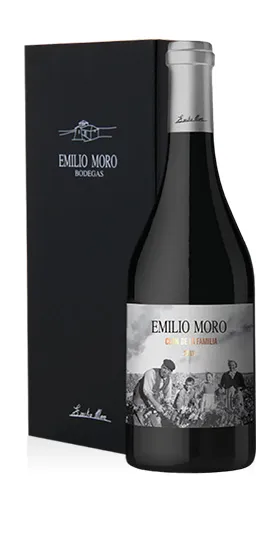
Ribera del Duero DO Clon de la Familia 2015 Emilio Moro
You may also be interested in
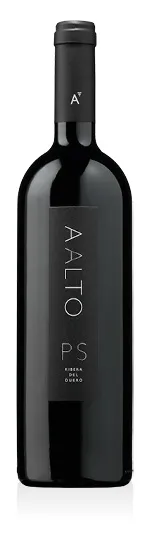
Ribera del Duero DO PS 2023 Aalto
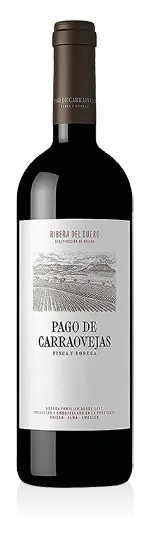
Ribera del Duero DO 2023 Pago de Carraovejas
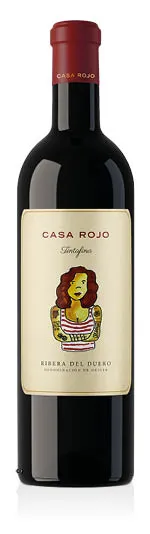
Ribera del Duero DO Tinta Fina 2021 Casa Rojo
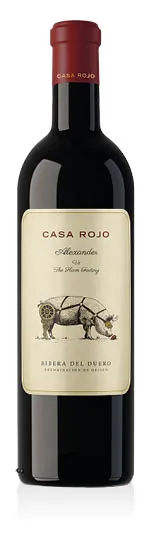
Ribera del Duero DO Reserva Alexander vs The Ham Factory 2022 Casa Rojo