 View all
 Champagne
 Sparkling Wines
 Red Wines
 White Wines
 Rosé Wines
 Alcohol-free
 Bag in box
 Fortified Wines
 Passito Wines
 Cocktails
 Gin
Gin
 Liqueur
 Whisky
 Rum
Rum
 Grappa
 Alcohol-free
 Brandy
 Eau de vie
 Tequila
 Vodka
Vodka
 Mixology
 Beers
Beers
 Olive Oil
 Vinegar
 Accessories


Product details
 You can also order it by phone by speaking with us.


Description
What kind of wine is it
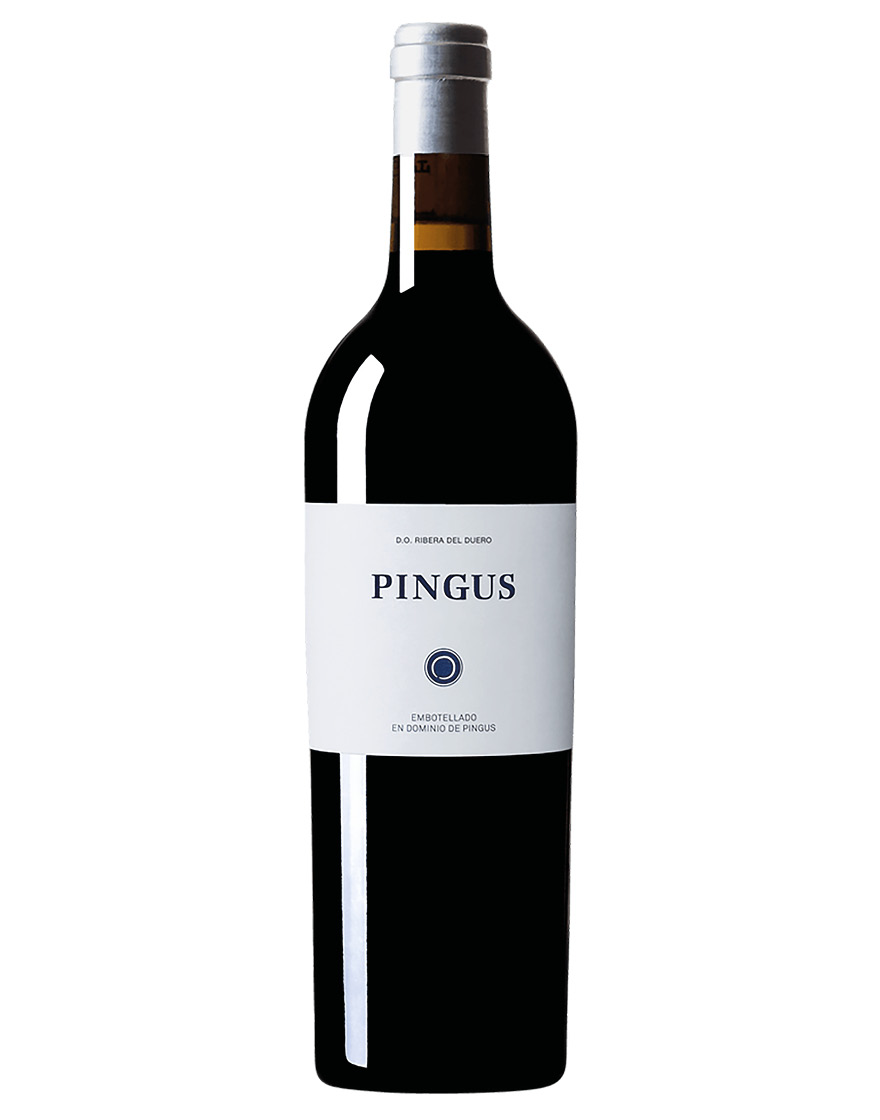
Pingus Dominio de Pingus is a red wine from Ribera del Duero in Spain, made from Tempranillo grapes sourced from very old vineyards cultivated according to biodynamic principles. It's a structured and complex red, offering both power and elegance with fine tannins. Fermentation takes place in steel and wooden vats with only indigenous yeasts, while malolactic fermentation and aging in new French oak barriques define its style and texture.
Where does it come from
This wine comes from three different parcels of the Dominio de Pingus estate in the Ribera del Duero. The very old vineyards are managed with a biodynamic approach and yield low quantities of Tempranillo grapes. The soils vary greatly from parcel to parcel, ranging from clay to pure limestone, affecting the structure and tannic definition. The name of the estate reflects the nickname of its founder, the Danish engineer Peter Sissek, and production remains extremely limited.
How is it made
The winemaking process follows a traditional and meticulous approach. After harvest, fermentation occurs both in steel tanks and wooden vats, exclusively with indigenous yeasts. Malolactic fermentation takes place in new French oak barriques, which are also used for the prolonged aging that aims to integrate body and tannin. The wine is bottled without fining, filtration, or stabilization.
Tasting notes
In the glass, it displays a deep and intense pomegranate red colour. The nose reveals a complex profile of ripe black fruits, toasted notes, and balsamic hints tied to evolution in new French oak. On the palate it is elegant and powerful, with volume and a silky tannic texture, supported by a broad and controlled progression. The finish is long and precise, with well-integrated returns of dark fruit and toasted undertones.
Pairings
At the table, it pairs with substantial meat dishes, thanks to its structure and silky tannins. It is recommended with roast suckling pig, hare, and beef entrecôte, pairings consistent with its intensity and the toasted component from aging. It is best expressed when the meat remains juicy and the sauce is balanced, without pronounced sweetness.
When to serve it
This red is suitable for tasting occasions and elaborate lunches, when intensity and definition are desired. The combination of very old vineyards, meticulous fermentation, and prolonged aging in new French oak barriques suggests a strong potential for bottle aging. It can also be enjoyed in its youth for its fruit and texture, but tends to show its best over the medium- to long-term, with greater integration of wood, aromatic complexity, and tannic structure.
You may also be interested in


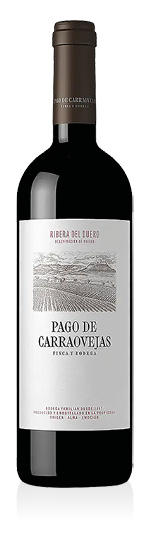
Ribera del Duero DO 2023 Pago de Carraovejas
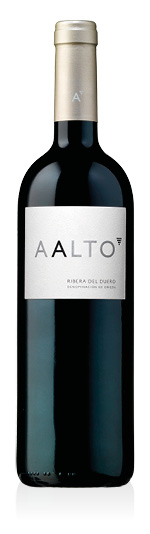

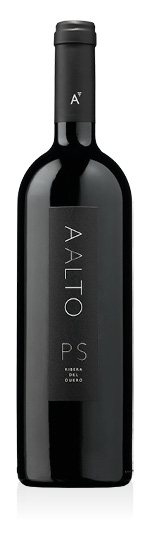
Ribera del Duero DO PS 2023 Aalto
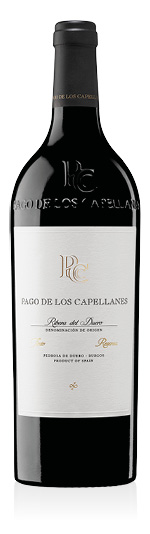
Ribera del Duero DO Tinto Reserva 2022 Pago de Los Capellanes
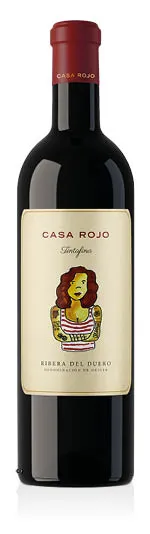
Ribera del Duero DO Tinta Fina 2021 Casa Rojo