 View all
 Champagne
 Sparkling Wines
 Red Wines
 White Wines
 Rosé Wines
 Alcohol-free
 Bag in box
 Fortified Wines
 Passito Wines
 Cocktails
 Gin
Gin
 Liqueur
 Whisky
 Rum
Rum
 Grappa
 Alcohol-free
 Brandy
 Eau de vie
 Tequila
 Vodka
Vodka
 Mixology
 Beers
Beers
 Olive Oil
 Vinegar
 Accessories


Product details
Description
What kind of wine is it
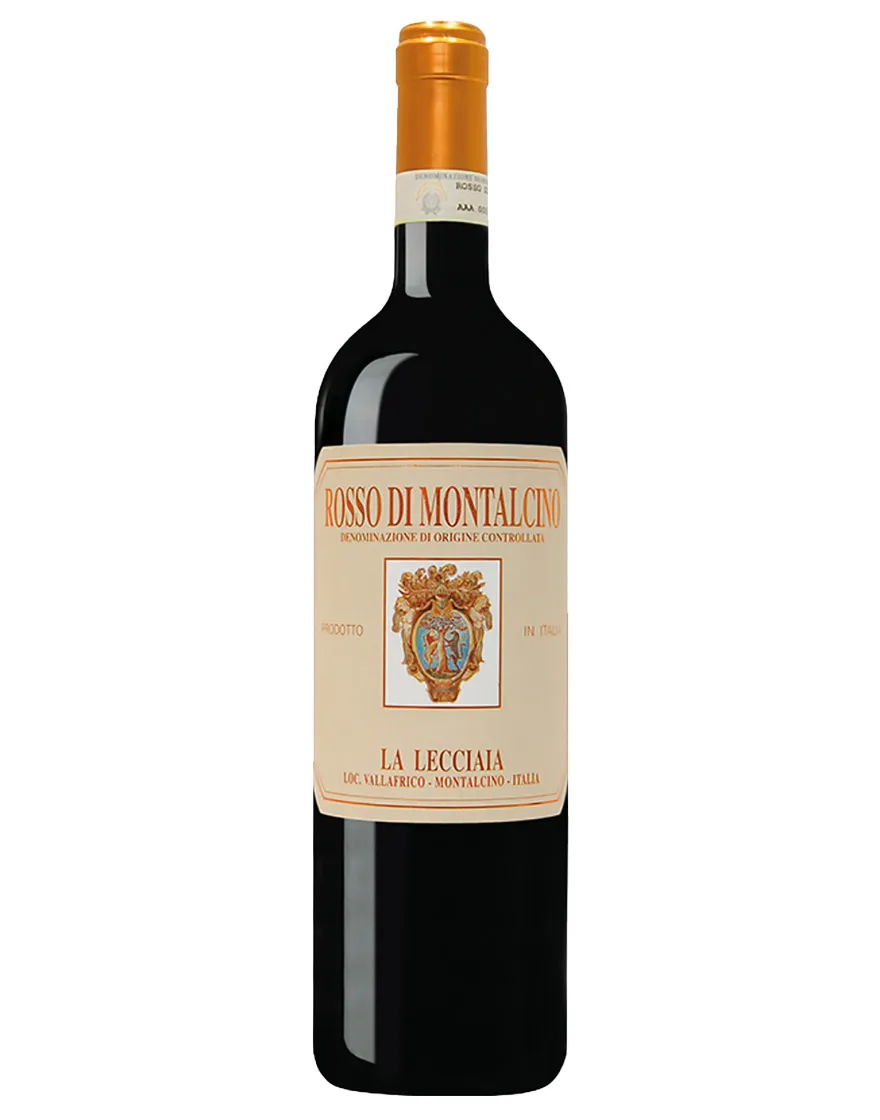
Rosso di Montalcino produced by La Lecciaia is made from Sangiovese grapes grown on the hills of Montalcino. The style remains fresh and smooth, with clear fruit, fine tannins and a balanced structure. Vinification in temperature-controlled steel preserves aromatic clarity, while a brief passage in oak casks adds roundness without weighing it down. This Rosso di Montalcino displays immediacy and easily adapts to various dining occasions.
Where it comes from
The grapes come from vineyards in the municipality of Montalcino in Tuscany, on hills between 350 and 400 meters. The altitude enhances temperature fluctuations and preserves the acidity and clarity of the Sangiovese. Medium-textured soils with sand and clay deposits support smooth tannins and clean fruit. The setting, with good ventilation and light, results in a typical and recognizable expression of the territory.
How it is produced
Harvesting is followed by destemming and alcoholic fermentation in steel vats at controlled temperature for about 15–20 days. During maceration, the winery performs frequent pump-overs to gradually extract color and phenolic compounds. The wine matures mainly in steel to preserve freshness and varietal identity, then undergoes brief aging in oak barrels for at least 6 months to harmonize the tannic structure before bottling.
Tasting notes
The color is an intense ruby red, with reflections reminiscent of steel aging. The nose offers a fragrant, vinous profile with berries, ripe cherry and floral hints typical of Montalcino Sangiovese. The palate is fresh and fruity, supported by lively acidity and a balanced structure. The tannins are delicate and well integrated, the texture is smooth, and the finish remains cleanly persistent with fruity returns and a slight spicy nuance.
Pairings
This Rosso di Montalcino pairs easily with first courses featuring meat sauces, where its acidity balances the richness and tannic structure remains measured. It works well with roast pork, baked dishes and semi-aged cheeses, thanks to the balance between softness and freshness. Regionally, it complements pici with wild boar ragù and also suits spicy cured meats and flavorful white meats, maintaining a harmonious profile.
When to serve it
Ideal when looking for a red with good structure that’s approachable, suitable for family lunches and informal dinners. The recommended temperature is around 16–18 °C, with a brief aeration in the glass to open up its aromatic range. Its focus on freshness, fruit, and fine tannins is pleasant in the early years after bottling, but can evolve into more spicy notes and a rounder texture if the bottle is cellared properly.
2 products of Fattoria La Lecciaia View all
2 products of Fattoria La Lecciaia


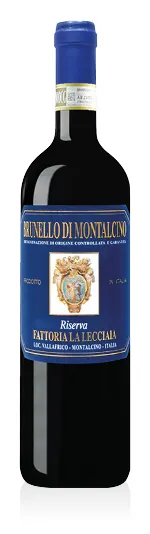
Brunello di Montalcino DOCG Riserva 2018 Fattoria La Lecciaia
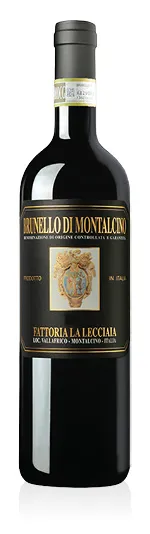
Brunello di Montalcino DOCG 2019 Fattoria La Lecciaia
You may also be interested in

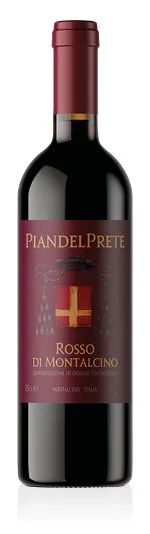
Rosso di Montalcino DOC 2022 Pian del Prete

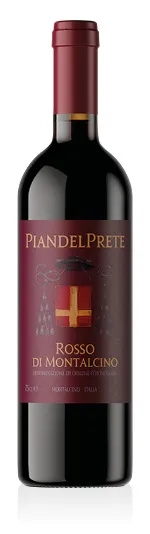
Rosso di Montalcino DOC 2024 Pian del Prete
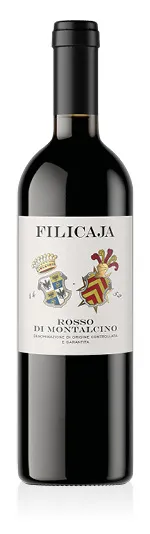
Rosso di Montalcino DOC 2023 Villa da Filicaja
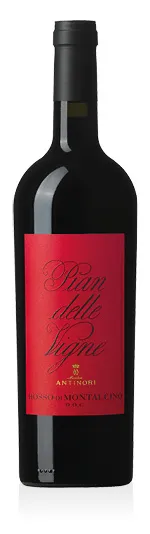
Rosso di Montalcino DOC Pian delle Vigne 2024 Marchesi Antinori

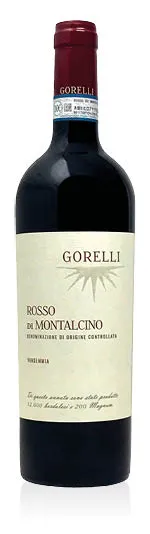
Rosso di Montalcino DOC 2023 Giuseppe Gorelli