 View all
 Champagne
 Sparkling Wines
 Red Wines
 White Wines
 Rosé Wines
 Alcohol-free
 Bag in box
 Fortified Wines
 Passito Wines
 Cocktails
 Gin
Gin
 Liqueur
 Whisky
 Grappa
 Rum
Rum
 Alcohol-free
 Brandy
 Eau de vie
 Tequila
 Vodka
Vodka
 Mixology
 Beers
Beers
 Olive Oil
 Vinegar
 Accessories


Product details
Description
What type of wine is it
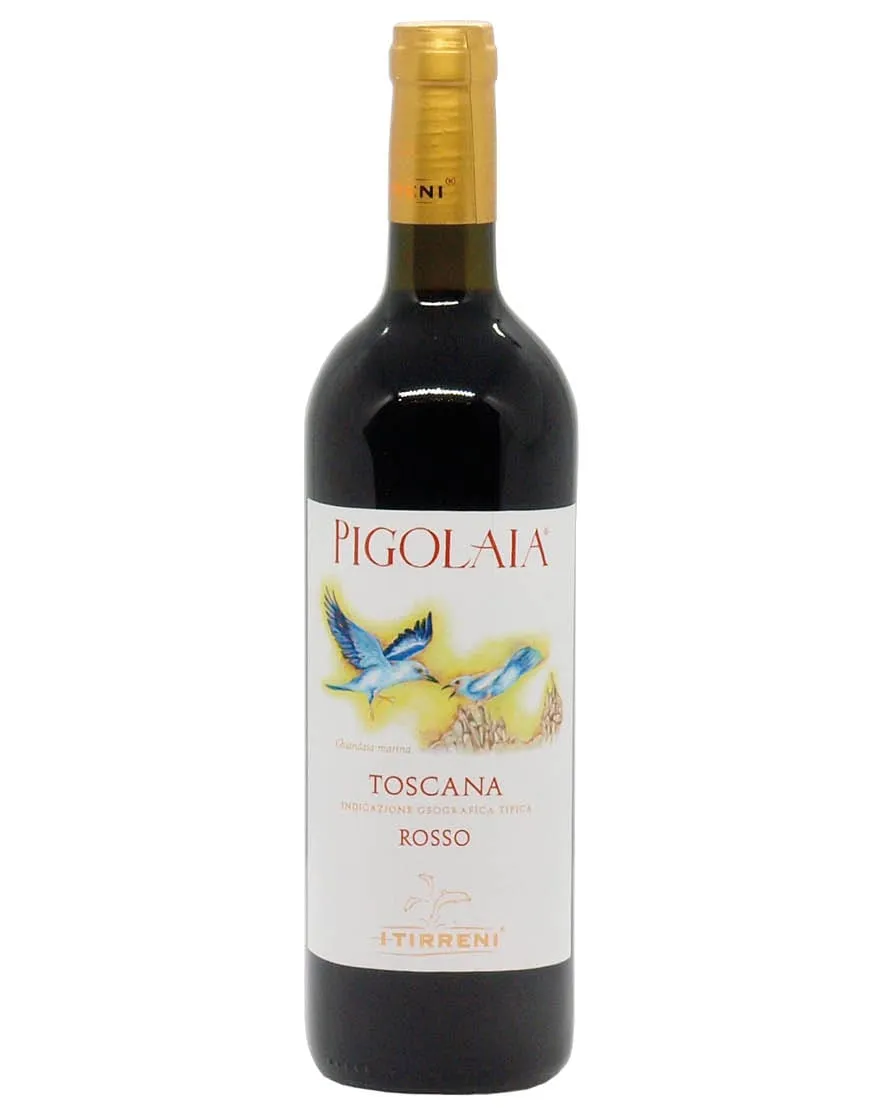
Pigolaia Rosso di I Tirreni is a Toscana Rosso with a brilliant ruby color, made from Sangiovese and Cabernet Sauvignon. Vinification takes place in stainless steel at controlled temperature, followed by malolactic fermentation and aging in French oak barriques for six months. The profile is fresh and full, with well-present tannins, a spicy texture, and a balanced structure.
Where does it come from
The grapes come from coastal Tuscany, just a few kilometers from the sea, with flat vineyards that benefit from a temperate climate. These conditions promote gradual ripening and preserve acidity, while local soils contribute to wines with clean fruit and a harmonious texture.
How is it produced
Vinification takes place in stainless steel at controlled temperature to enhance varietal aromas. After alcoholic fermentation, the wine undergoes malolactic fermentation to soften the acidity. Aging in French oak barriques for six months adds spicy and vanilla notes, defining a clean and technical style.
Tasting notes
In the glass it appears a bright ruby red with vibrant highlights. The bouquet offers ripe red fruit, vanilla, and sweet spices, with the barrel aging not masking the typical character of Sangiovese. On the palate, it is fresh and full-bodied, with an almost sweet fruit sensation, well-perceived tannins, and a balanced finish with spicy echoes and good persistence.
Food pairings
Pigolaia Rosso pairs with stewed meats and flavorful dishes, where freshness and tannins balance the flavors. Excellent with stew, braised game, and pasta with ragù. It expresses itself fully with pappardelle al cinghiale and peposo dell’Impruneta, thanks to a spiciness in harmony with long cooking and aromatic sauces.
When to serve it
This is a red suitable for everyday meals and informal dinners, ideal for those seeking structure and drinkability. Serve it at 16–18 °C in a large glass. A brief aeration enhances the notes of wood and fruit. The wine is ready to drink thanks to its freshness, but the tannins and aging in barrique allow for good evolution in the bottle for several years.
2 products of I Tirreni View all
2 products of I Tirreni

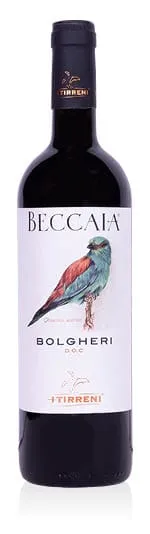
Bolgheri DOC Beccaia 2024 I Tirreni
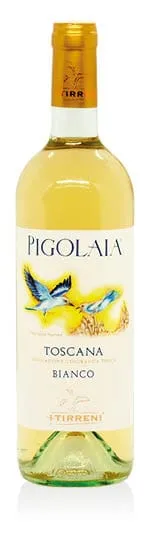
Toscana Bianco IGT Pigolaia 2023 I Tirreni
You may also be interested in


Toscana IGT Casamatta Bianco Isola del Giglio 2025 Bibi Graetz


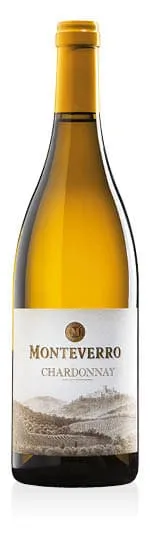
Toscana IGT Chardonnay 2023 Monteverro
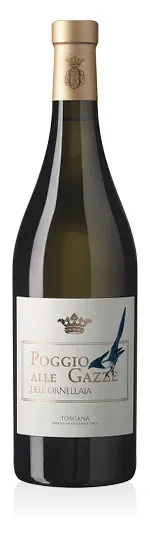
Toscana IGT Bianco Poggio alle Gazze 2024 Ornellaia
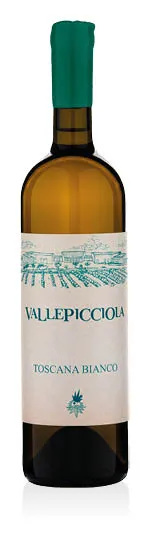
Toscana IGT Bianco 2024 Vallepicciola
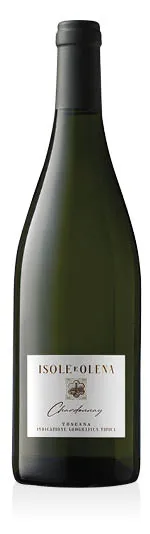
Toscana IGT Chardonnay 2024 Isole e Olena