 View all
 Champagne
 Sparkling Wines
 Red Wines
 White Wines
 Rosé Wines
 Alcohol-free
 Bag in box
 Fortified Wines
 Passito Wines
 Cocktails
 Gin
Gin
 Liqueur
 Whisky
 Rum
Rum
 Grappa
 Alcohol-free
 Brandy
 Eau de vie
 Tequila
 Vodka
Vodka
 Mixology
 Beers
Beers
 Olive Oil
 Vinegar
 Accessories


Product details
Description
What kind of wine it is
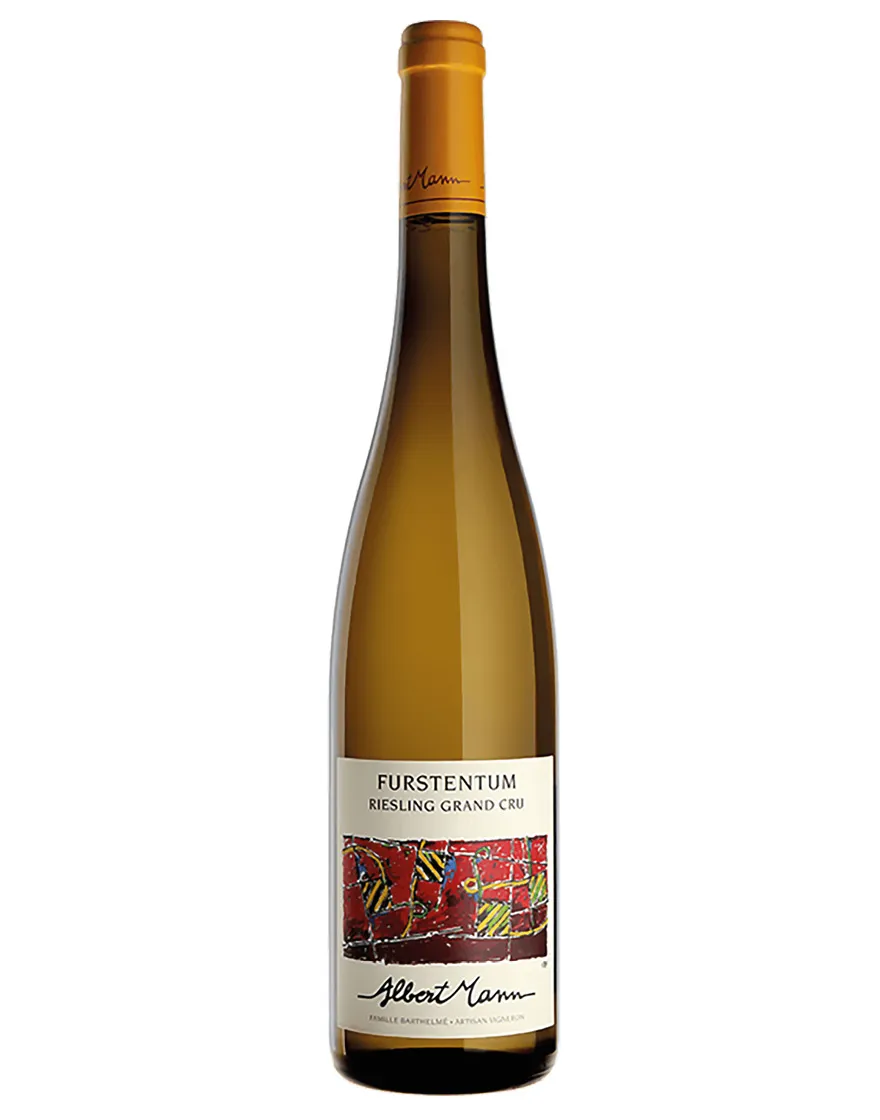
Riesling Furstentum by Albert Mann is a Grand Cru white from Alsace made from pure Riesling, created to express precision and tension. Its style showcases freshness, elegance, and a clean structure, with a mineral character imparted by the limestone soils of the cru. Fermentation is managed to preserve varietal aroma and the balance between acidity and body, offering a sharp profile suitable for evolution. This wine accompanies the table consistently thanks to its technical complexity and clarity.
Where it comes from
The wine originates in Kientzheim, in the heart of Alsace, one of the most renowned areas for Riesling. The vineyards are set on limestone soils that promote drainage and balanced water retention, contributing to pronounced minerality and stable acidity. The semi-continental climate with dry summers and marked day-night temperature swings helps aroma development and preserves freshness. Vines averaging about 30 years old yield small crops and greater concentration.
How it is made
The Riesling grapes are harvested and selected to preserve integrity and acidity, then gently pressed to produce clear musts. Alcoholic fermentation is conducted to enhance primary aromas and the mineral component, maintaining a dry and precise profile. Maturation takes place in stainless steel to balance structure and freshness, avoiding excessive oxidation and preserving aromatic definition. The goal is to stabilize the acid backbone and savory character, ensuring consistency of the cru with considerable aging potential.
Tasting notes
In the glass, it displays a bright straw-yellow color, with reflections that recall the grape's youth. The nose is delicate and linear, with citrus notes, orange blossom, and a mineral hint that intensifies with aeration. On the palate, the attack is lively and saline, then the broad structure is supported by well-integrated acidity. The finish is long and precise, with citrus returns and a harmonious, clean close.
Pairings
Pairs with fish and shellfish that benefit from freshness and savoriness, such as baked cod, grilled lobster with sweet spices, and citrus scallop carpaccio. It also works well with spicy but not hot dishes, like spring vegetables in Thai broth, thanks to acidity that cleanses the palate and minerality that supports the flavors. In a regional key, it matches Alsace cuisine, such as tarte flambée or river fish, and goes well with soft cheeses that are not too intense.
When to serve
Ideal when looking for a precise, food-friendly white, suitable from aperitif to a seafood meal and able to support more complex dishes thanks to its structure. Serve chilled—but not ice cold—to enhance citrus and mineral notes. In the glass, it opens up quickly. Its acidic backbone and careful production make it suitable for cellaring, with a wide drinking window spanning several years. Enjoyable in mild seasons with delicate cooking or light spices.
3 products of Albert Mann View all
3 products of Albert Mann


Alsace AOC Pinot Noir Clos De La Faille 2022 Albert Mann
Alsace AOC Grand Cru Schlossberg Riesling 2022 Albert Mann
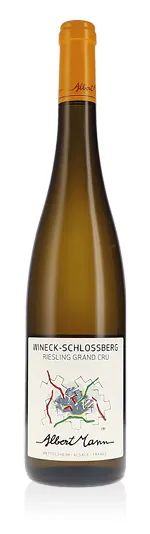
Alsace AOC Grand Cru Wineck-Schlossberg Riesling 2022 Albert Mann
You may also be interested in


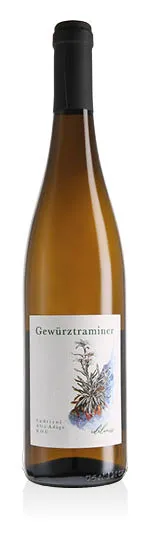
Südtirol - Alto Adige DOC Gewürztraminer 2025 Blumenfeld
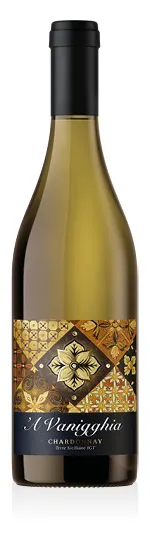
Terre Siciliane IGT Chardonnay 'A Vanigghia 2025 Li Ciuri
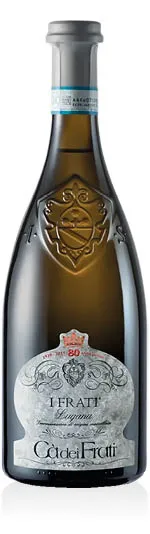
Lugana DOC I Frati 2025 Ca' dei Frati
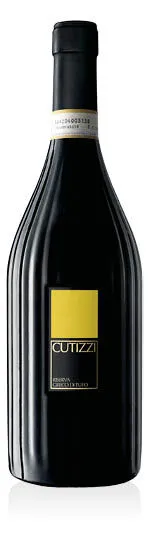
Greco di Tufo DOCG Riserva Cutizzi 2024 Feudi di San Gregorio
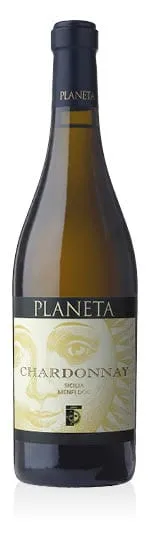
Sicilia Menfi DOC Chardonnay 2024 Planeta