 View all
 Champagne
 Sparkling Wines
 Red Wines
 White Wines
 Rosé Wines
 Alcohol-free
 Bag in box
 Fortified Wines
 Passito Wines
 Cocktails
 Gin
Gin
 Liqueur
 Whisky
 Rum
Rum
 Grappa
 Alcohol-free
 Brandy
 Eau de vie
 Tequila
 Vodka
Vodka
 Blonde
 Red
Red
 Amber
Amber
 Dark
Dark
 Mixology
 Beers
Beers
 Olive Oil
 Vinegar
 Accessories


Product details
Description
What kind of wine is it?
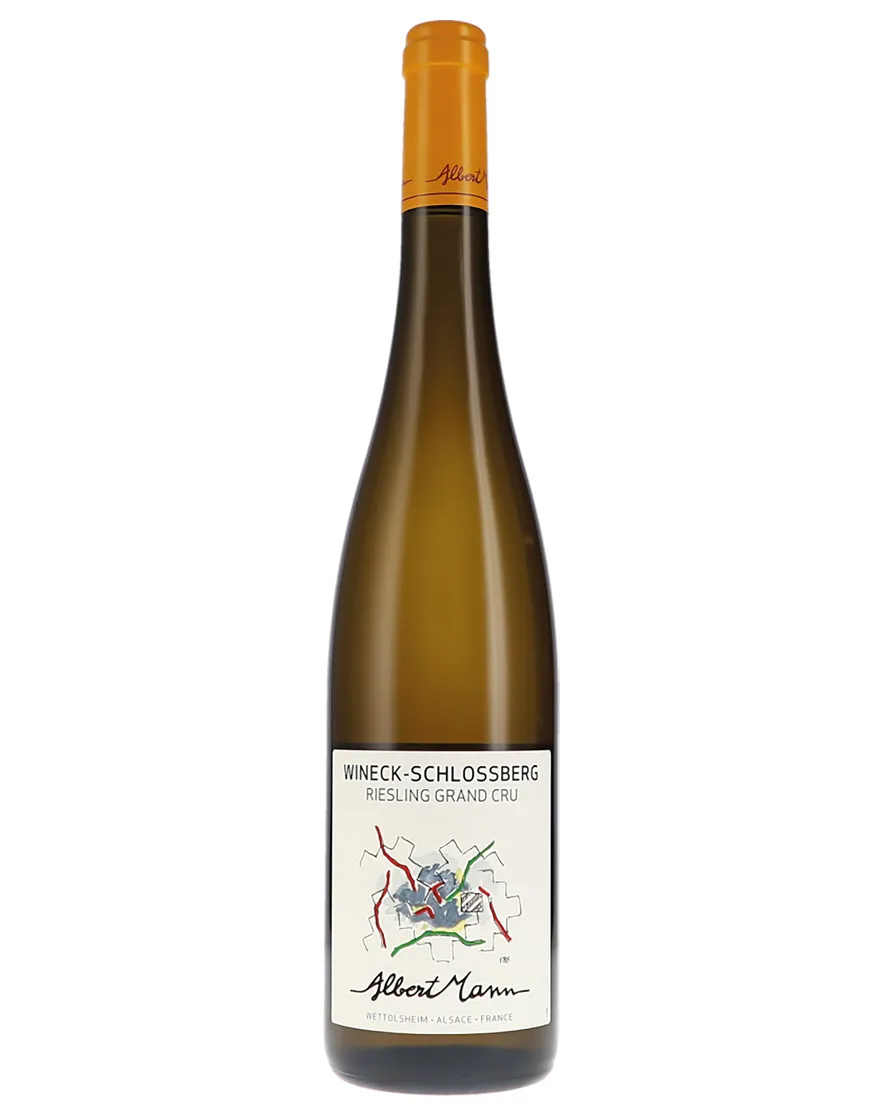
The Riesling Wineck-Schlossberg from Albert Mann is a white Grand Cru from Alsace made from Riesling. It comes from plots with granite soils, which give the wine marked minerality and distinctive salinity. Vinification in inert containers preserves the freshness and purity of the grape variety, while careful aging supports the definition and capacity for evolution. The style is dry, elegant, and linear, with pronounced acidity and a long, saline persistence.
Where does it come from?
This wine comes from the Grand Cru Wineck-Schlossberg, between Katzenthal and Ammerschwihr, in the Upper Rhine. The vineyards are located on well-exposed slopes that favor regular grape ripening. The semi-continental climate, with cool nights, preserves acidity and aromatic clarity. The granite soils, low in organic matter but rich in microelements, ensure fast drainage and imprint a clear mineral character on the wine. Vines with an average age of about 45 years strengthen the territorial expression and the qualitative continuity of the cru.
How is it made?
The Riesling grapes are harvested with attention to phenolic maturity to maintain the balance between sugars and acidity. After gentle pressing, the must ferments at a controlled temperature, and careful management protects the primary aromas and limits oxidation. Aging takes place in inert containers, with possible time on fine lees to improve tactile definition and stability. Clarification and bottling preserve the linearity and aging potential, without aromatic influence from wood.
Tasting notes
The color is a bright straw yellow with golden highlights. The aromatic profile is measured, with white flowers, citrus fruits, and a clear mineral nuance reminiscent of wet stone. On the palate, it is dry, crystal-clear, and taut, supported by incisive acidity that offers drive and freshness. The finish is long, intense, and saline, with a distinct, clean mineral trail that recalls the granite origin of the vineyard.
Food pairings
The freshness and savouriness of this Riesling go well with seafood platters, oysters, and citrus-marinated scallop carpaccio. It also works very well with steamed fish, grilled shellfish, and dishes with butter and lemon, where the acidity balances out the fatty component. Regionally, it complements Alsatian cuisine, such as choucroute with fish or delicate white meats. It also pairs well with young, soft cheeses.
When to serve
This wine is ideal during gastronomic aperitifs or at the table with seafood dishes, when looking for a taut and well-defined white. It expresses itself best at 10–12 °C in a medium-sized glass, with a short time to breathe in the glass to highlight the mineral notes. The structure and acidity allow it to evolve in the bottle over the medium to long term, and the wine can develop complexity without losing freshness. Enjoyable to drink now for its precision, it keeps well under suitable conditions to appreciate its development over time.
3 products of Albert Mann View all
3 products of Albert Mann


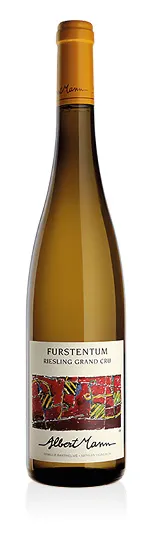
Alsace AOC Grand Cru Furstentum Riesling 2022 Albert Mann
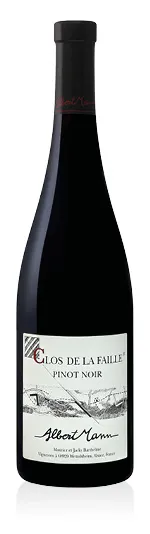
Alsace AOC Pinot Noir Clos De La Faille 2022 Albert Mann
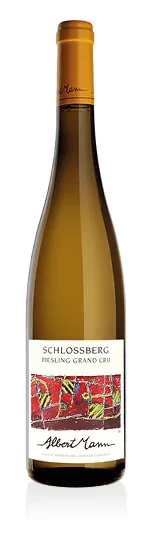
Alsace AOC Grand Cru Schlossberg Riesling 2022 Albert Mann
You may also be interested in

Lugana DOC 2025 Dal Moro

Südtirol - Alto Adige DOC Gewürztraminer 2025 Blumenfeld

Terre Siciliane IGT Chardonnay 'A Vanigghia 2025 Li Ciuri
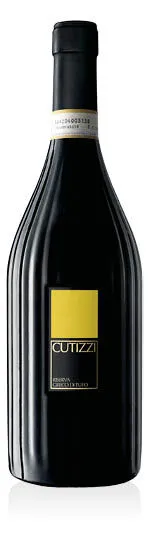
Greco di Tufo DOCG Riserva Cutizzi 2024 Feudi di San Gregorio
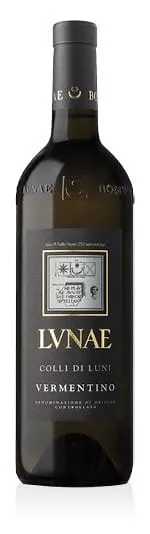
Colli di Luni DOC Vermentino Etichetta Nera 2025 Lunae