 View all
 Champagne
 Sparkling Wines
 Red Wines
 White Wines
 Rosé Wines
 Alcohol-free
 Bag in box
 Fortified Wines
 Passito Wines
 Cocktails
 Gin
Gin
 Liqueur
 Whisky
 Rum
Rum
 Grappa
 Alcohol-free
 Brandy
 Eau de vie
 Tequila
 Vodka
Vodka
 Blonde
 Red
Red
 Amber
Amber
 Dark
Dark
 Mixology
 Beers
Beers
 Olive Oil
 Vinegar
 Accessories
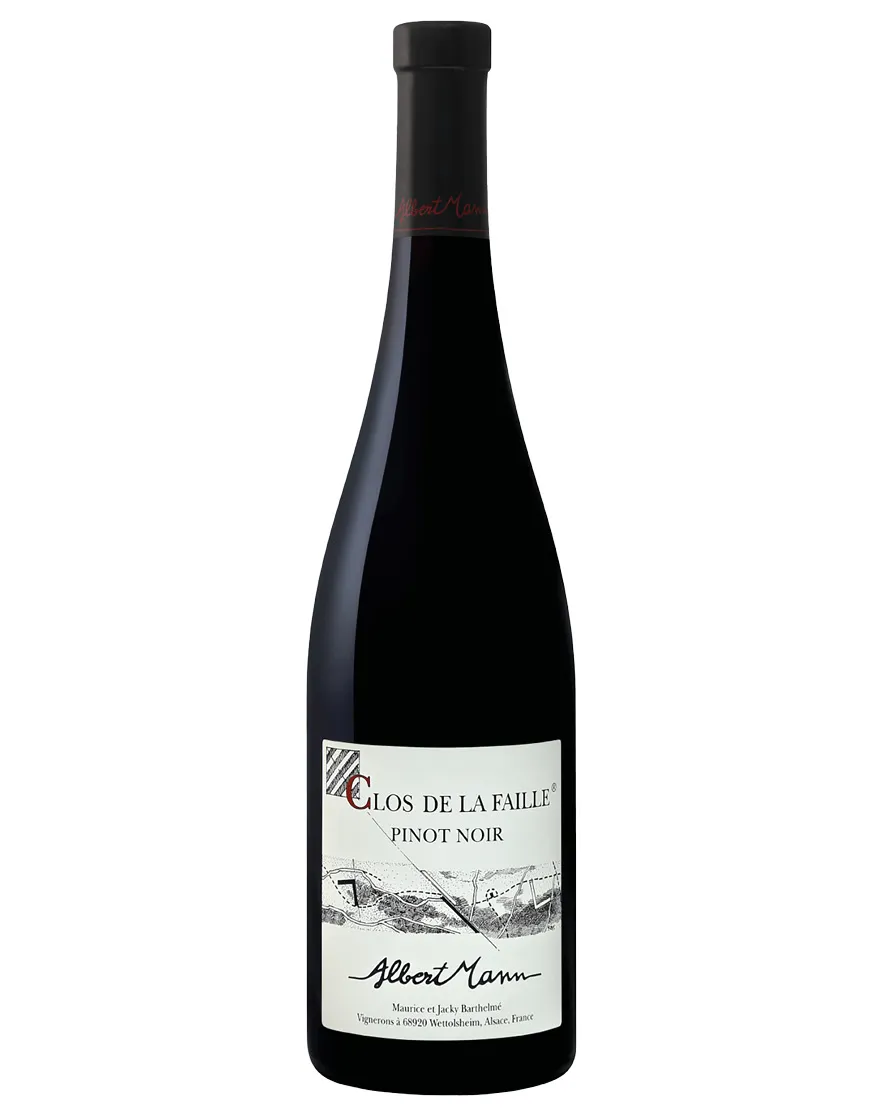


Product details
Description
What kind of wine is it
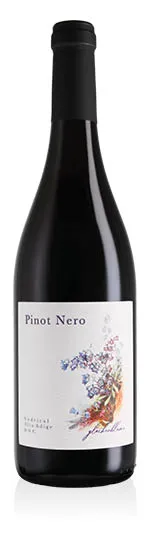
Pinot Noir Clos de la Faille by Albert Mann is a still red wine from Alsace made from Pinot Noir grapes. It originates from a single plot and offers a blend of varietal precision and a distinctive sense of place. The profile remains fresh, elegant, and structured; spontaneous fermentation includes a portion of whole clusters. Aging in barriques adds depth and complexity while preserving freshness. This wine shows finesse, minerality, and a remarkable ability to evolve.
Where does it come from
The vineyard is located in Wintzenheim, in the Colmar area, one of the most renowned in Alsace. Cultivation follows biodynamic principles on a one-hectare hillside with good ventilation and marked temperature variation, elements that preserve acidity and aromatic definition. Clay-limestone soils with galets and quartz promote drainage and balanced water retention, bringing fine tannins and pronounced minerality.
How is it produced
Harvesting aims for low yields to concentrate the material and preserve balance. In the cellar, low-intervention winemaking is practiced with spontaneous fermentation and some whole clusters to enhance complexity. Maceration on the skins is kept in check to allow for gradual extraction of color and tannin. Aging continues for 17 months in barriques, some new, integrating spice and structure without sacrificing freshness. The result is a pure expression of Pinot Noir and its terroir.
Tasting notes
The wine displays a transparent ruby color with garnet highlights. The bouquet is intense, showing wild red fruits, cherry, blood orange peel, dark tobacco, and spices, along with hints of damp earth and forest floor. On the palate, fresh acidity supports the sip, the tannic texture is silky, and the minerality is well-defined. The finish is long and clean, with spicy and fruity echoes in harmony.
Food pairings
This Pinot Noir pairs well with dishes of medium structure that benefit from freshness and fine tannins. It is suitable for mushroom ravioli, roasted rabbit, and grilled fish, especially with light sauces or aromatic herbs. In Alsatian cuisine, it elevates a traditional baeckeoffe or white meats cooked in a casserole with delicate spices. It also goes well with mushroom recipes and roasted poultry, maintaining a balance between juiciness and savoriness.
When to serve
Ideal at the table when a precise and food-friendly red is needed, suitable for lunches and dinners where balance is key. Serve at 14–16 °C in a large glass, and if needed, a short aeration can help reveal the spicy and earthy notes. The wine is enjoyable when young for its freshness, but it has the structure and acidity to evolve in the bottle and develop more complex aromas. With proper storage, it retains finesse and persistence for years.
3 products of Albert Mann View all
3 products of Albert Mann


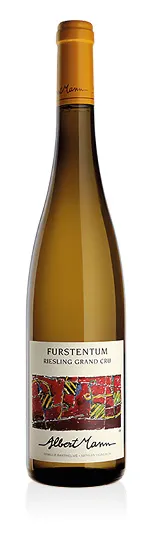
Alsace AOC Grand Cru Furstentum Riesling 2022 Albert Mann
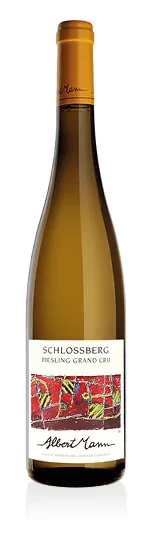
Alsace AOC Grand Cru Schlossberg Riesling 2022 Albert Mann
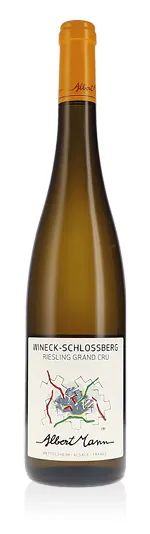
Alsace AOC Grand Cru Wineck-Schlossberg Riesling 2022 Albert Mann
You may also be interested in


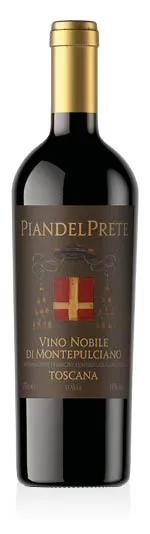
Vino Nobile di Montepulciano DOCG 2022 Pian del Prete
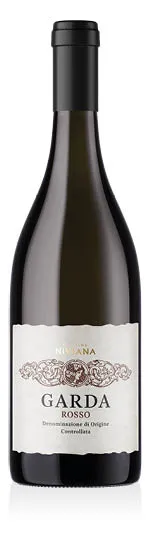
Garda DOC Rosso 2025 Niviana

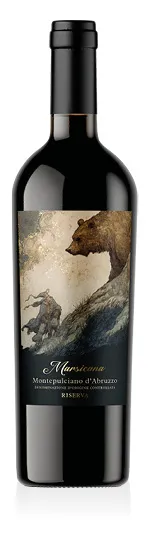
Montepulciano d'Abruzzo DOC Riserva 2020 Marsicana
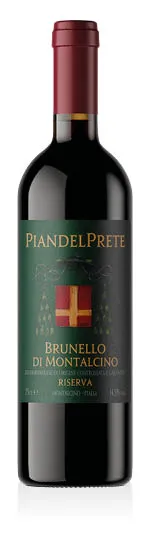
Brunello di Montalcino Riserva DOCG 2020 Pian del Prete
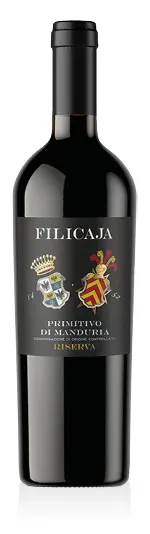
Primitivo di Manduria Riserva DOC Collezione del Conte 2022 Villa da Filicaja