 View all
 Champagne
 Sparkling Wines
 Red Wines
 White Wines
 Rosé Wines
 Alcohol-free
 Bag in box
 Fortified Wines
 Passito Wines
 Cocktails
 Gin
Gin
 Liqueur
 Whisky
 Rum
Rum
 Grappa
 Alcohol-free
 Brandy
 Eau de vie
 Tequila
 Vodka
Vodka
 Mixology
 Beers
Beers
 Olive Oil
 Vinegar
 Accessories


Product details

Description
What type of wine is it
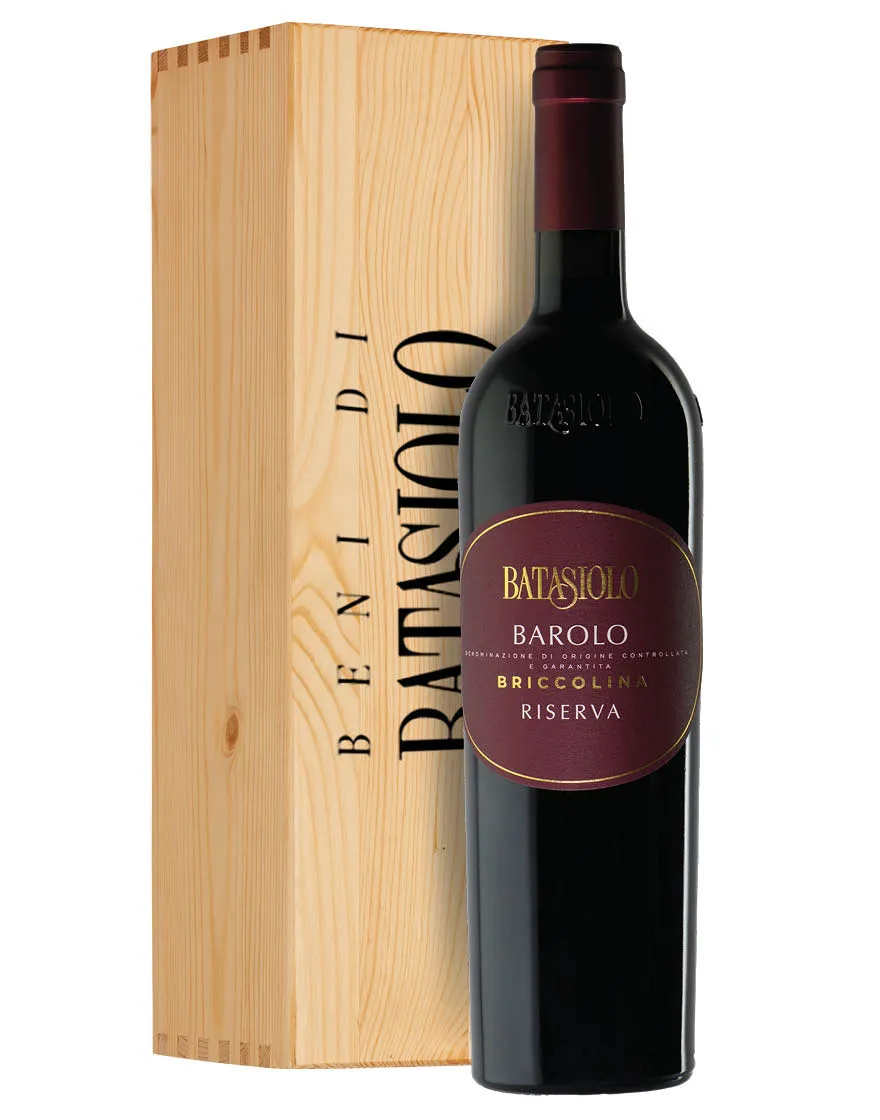
Barolo Briccolina Riserva by Batasiolo is made from Nebbiolo, with a structured and complex profile. Vinification takes place in stainless steel at a controlled temperature, then the wine matures in French oak barriques. This process yields a full-bodied and elegant profile, with remarkable ageing potential. Fermentation with periodic pumpovers and later maturation in steel and bottle give depth and structure.
Where it comes from
Barolo Briccolina Riserva comes from the Serralunga d’Alba area, among the historic crus of Barolo in Piedmont. The Briccolina hill is renowned for producing refined, long-lived wines.
How it is produced
Harvesting of the Nebbiolo grapes is carried out by hand in the second half of October, with the winery selecting only the best bunches. After destemming, fermentation takes place in temperature-controlled stainless steel tanks, with skin maceration for 10-12 days and regular pumpovers to extract colour and tannins. Ageing takes place in French oak barriques, then in stainless steel tanks, with further bottle rest, allowing structure and bouquet to harmonise.
Tasting notes
In the glass it displays a deep garnet red with orange highlights. The nose is filled with aromas of ripe fruit like cherry and plum, together with floral notes of wilted rose and spicy hints of pepper and clove. The palate is full and enveloping, with smooth tannins supporting a solid structure and balanced acidity. The finish is long and complex, with fruity notes returning and a delicate touch of vanilla from the wood.
Pairings
This Barolo pairs with grilled red meats, game, roasts and mature cheeses with a strong flavour. It matches perfectly with Piedmontese dishes like braised meat in Barolo, mixed boiled meats or tajarin with meat ragout. Regional pairings such as finanziera or fritto misto piemontese enhance the wine’s complexity, making the glass ideal for rich and flavourful dishes.
When to serve
Barolo Briccolina Riserva boasts great ageing potential, maintaining freshness and structure even after extended cellaring. Serve at a temperature between 18 and 20 °C, in large glasses to encourage aeration and allow the wine’s character to fully express itself.
20 products of Beni di Batasiolo View all
20 products of Beni di Batasiolo


Barolo DOCG Riserva 2018 Beni di Batasiolo
Barolo DOCG Brunate 2018 Beni di Batasiolo
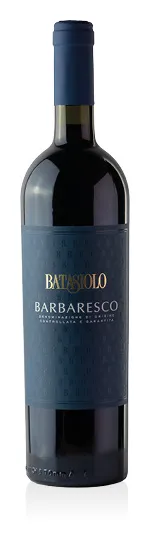
Barbaresco DOCG 2022 Beni di Batasiolo
You may also be interested in

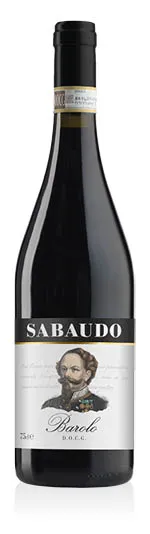
Barolo DOCG 2022 Sabaudo

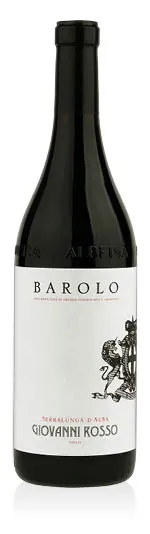
Barolo DOCG 2021 Giovanni Rosso
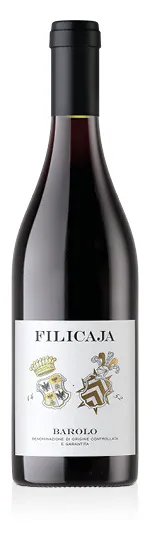
Barolo DOCG 2022 Villa da Filicaja
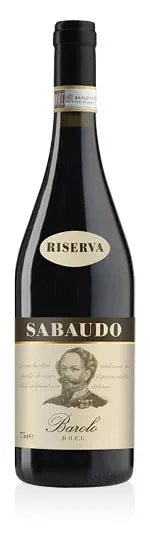
Barolo DOCG Riserva 2019 Sabaudo
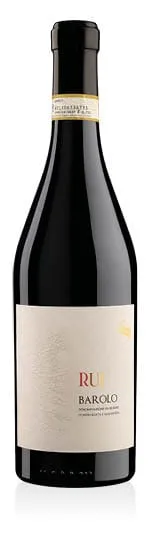
Barolo DOCG Ruj 2022 San Silvestro