 View all
 Champagne
 Sparkling Wines
 Red Wines
 White Wines
 Rosé Wines
 Alcohol-free
 Bag in box
 Fortified Wines
 Passito Wines
 Cocktails
 Gin
Gin
 Liqueur
 Whisky
 Rum
Rum
 Grappa
 Alcohol-free
 Brandy
 Eau de vie
 Tequila
 Vodka
Vodka
 Mixology
 Beers
Beers
 Olive Oil
 Vinegar
 Accessories


Product details
Description
What kind of wine is it
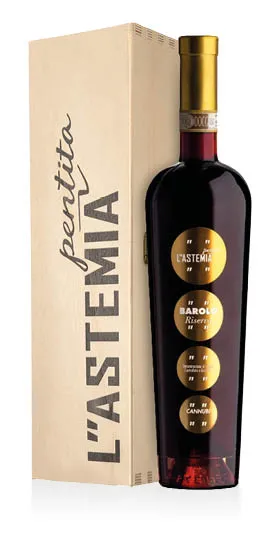
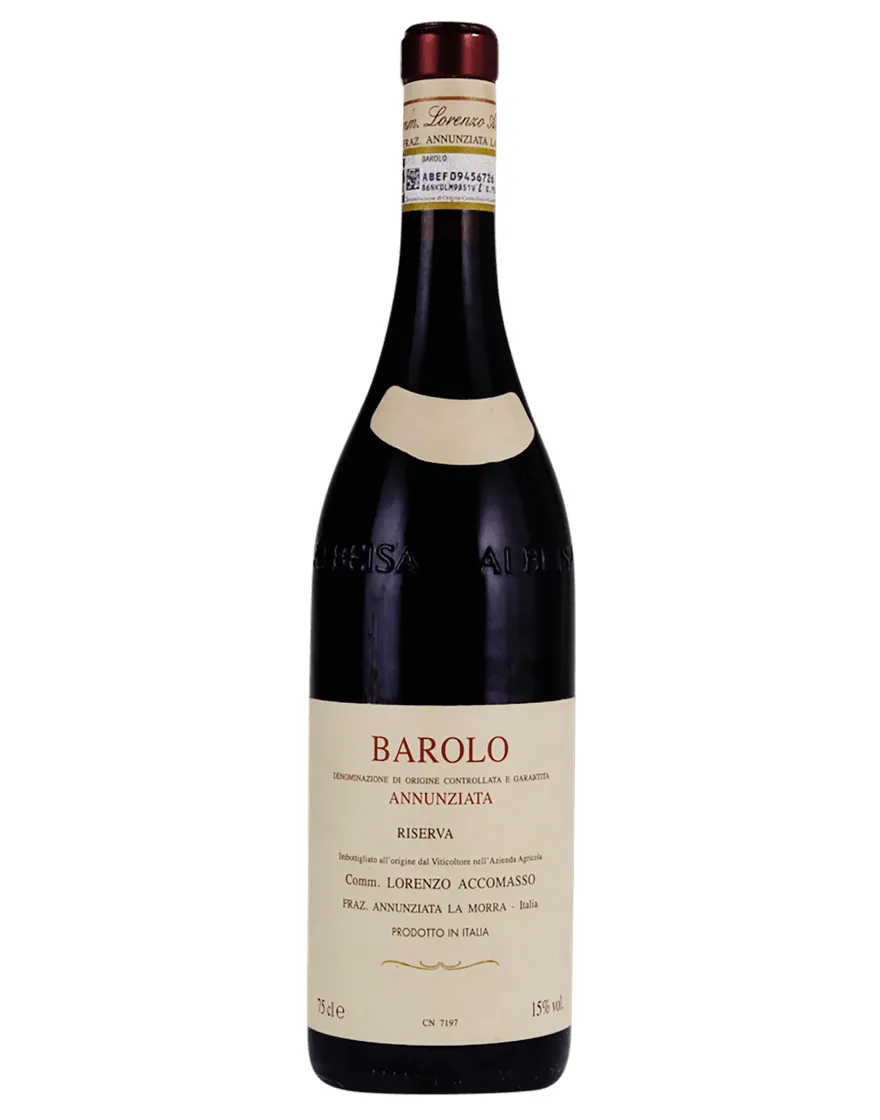
Barolo Annunziata Riserva by Accomasso is a still red wine made from Nebbiolo grapes grown in La Morra, in the heart of the Langhe. Its classic style is reflected in a robust structure, tight-knit tannins and a precise aromatic profile. The winemaking involves natural fermentations and an extended maceration, followed by a long maturation in large oak barrels that promotes finesse and development potential.
Where it comes from
This Barolo originates from the Annunziata cru in La Morra, a central area in the Langhe. The steep, well-exposed hillsides and marl-limestone soils with clay content contribute to firm tannins and depth of flavour. The continental climate with marked temperature swings favors a slow ripening of Nebbiolo, enhancing freshness and aromatic definition.
How it is made
The grapes come from selected vineyards and are harvested at full phenolic maturity. In the cellar, spontaneous fermentations with native yeasts and long skin macerations are used to gradually extract color and aroma. Ageing takes place in large oak barrels, in accordance with tradition, allowing for a slow evolution with a balanced integration of wood.
Tasting notes
In the glass, it displays a light, bright garnet red, typical of Nebbiolo. The nose offers a broad and layered bouquet featuring ripe red fruit, sweet spices, underbrush, liquorice, aromatic herbs, balsamic hints and a mineral note. On the palate, it is structured and deep, with lively acidity, well-integrated tannins and a persistent finish with spicy and balsamic echoes.
Food pairings
This Barolo pairs well with rich dishes such as braised meats, game, and aged cheeses. It enhances dishes with truffle, especially with red meats and savory sauces. In Piedmontese cuisine, it’s a classic companion for braised beef in Barolo and "tajarin" pasta with Alba white truffle, thanks to its freshness, which cleanses the palate, and aromatic complexity, rich in spice and herbal notes.
When to serve it
Ideal for special occasions, it should be served at cellar temperature, around 18 °C, preferably after aeration in a large glass to enhance the aromatic profile and soften the tannins. Thanks to its structure and maturation in large barrels, it is suited for ageing and can be enjoyed even after many years, maintaining a prolonged optimal drinking window.
5 products of Accomasso View all
5 products of Accomasso


Barbera d'Alba DOC Pochi Filàgn 2021 Accomasso
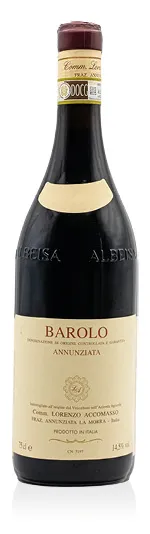
Barolo DOCG Annunziata 2014 Accomasso
You may also be interested in

Barolo DOCG 2022 Sabaudo

Barolo DOCG Riserva 2019 Sabaudo
Barolo DOCG 2022 Villa da Filicaja
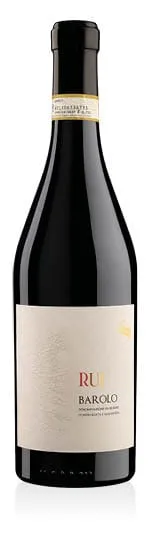
Barolo DOCG Ruj 2022 San Silvestro
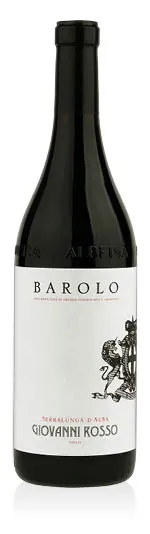
Barolo DOCG 2021 Giovanni Rosso