 View all
 Champagne
 Sparkling Wines
 Red Wines
 White Wines
 Rosé Wines
 Alcohol-free
 Bag in box
 Fortified Wines
 Passito Wines
 Cocktails
 Gin
Gin
 Liqueur
 Whisky
 Rum
Rum
 Grappa
 Alcohol-free
 Brandy
 Eau de vie
 Tequila
 Vodka
Vodka
 Mixology
 Beers
Beers
 Olive Oil
 Vinegar
 Accessories


Product details
Description
What type of wine is it
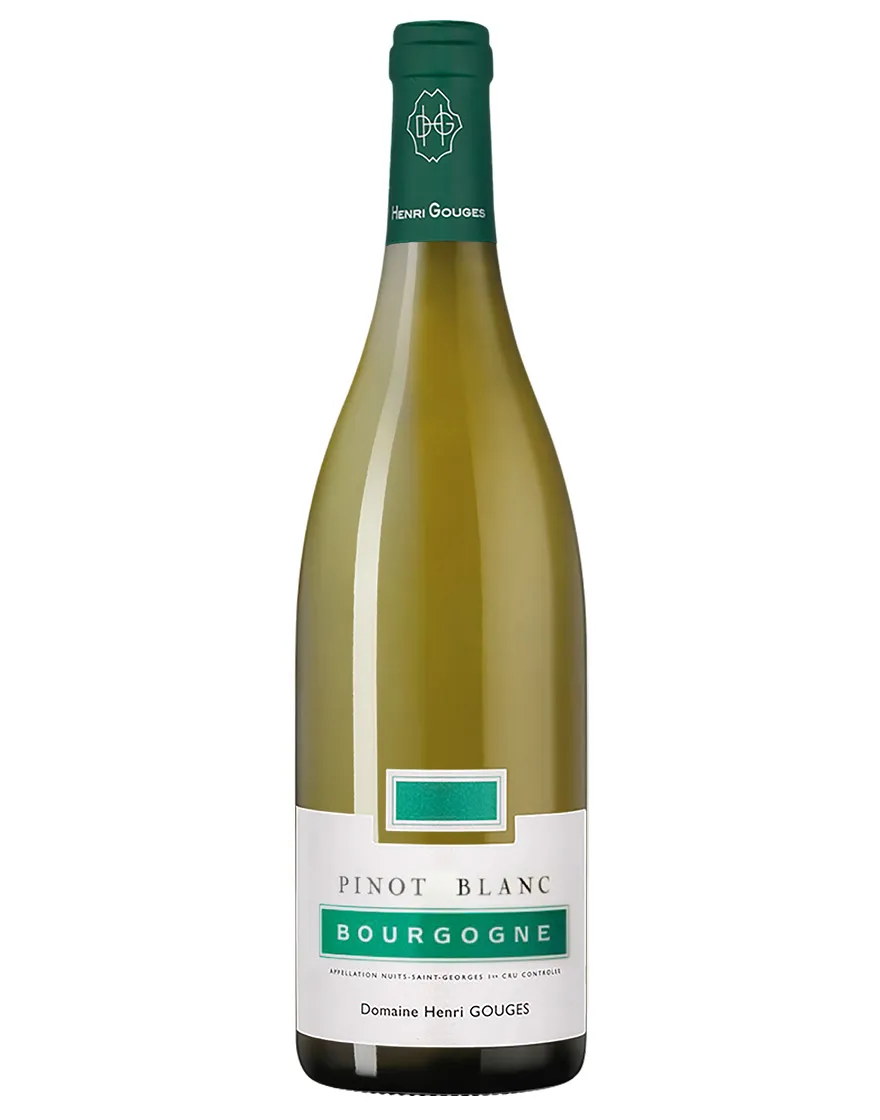
The Bourgogne Pinot Blanc by Domaine Henri Gouges is a still white wine made exclusively from Pinot Blanc, a historic massal selection known as "Pinot Gouges" derived from a spontaneous mutation of Pinot Noir. The wine stands out for its crisp and taut profile, with aging in oak barrels that adds structure without masking the varietal freshness. The style is elegant, with good depth, suitable both for immediate drinking and for positive bottle evolution.
Where does it come from
The grapes come from a single 0.7-hectare plot located on a plateau at about 375 meters above sea level, in the municipality of Nuits-Saint-Georges, on the Côte de Nuits. The shallow soil, rich in red clay and exposed rocks, encourages wines with a mineral imprint and fine texture. In a region famous for its Pinot Noir reds, this Pinot Blanc is a rare and technical expression of the local terroir.
How is it produced
Vineyard management favors low yields and manual harvesting, resulting in intact and ripe bunches. Eighteen months of aging in oak barrels add volume and stability, while preserving the varietal character and the identity of the location.
Tasting notes
In the glass, it appears with a bright light yellow and straw reflections. On the nose, aromas of white flowers, citrus peel, almond, and hints of wet stone emerge. The palate is fine and linear, with well-integrated mineral freshness, delicate texture, and harmonious persistence. The finish is clean, with citrusy echoes and a savory sensation that invites another sip.
What does it pair with
On the table, it pairs with fish dishes, grilled vegetables, or fresh cheeses. The wine's freshness and minerality enhance the delicacy of these preparations, making it versatile for both starters and main courses.
When to serve it
It is ideal when you are looking for a precise and food-friendly white, suitable for both an aperitif and a complete meal based on seafood or vegetables. Pleasant when young for its clarity, it can age in the bottle and develop more complex nuances. If stored correctly, it remains interesting even in the medium term thanks to its structure, acidity, and aromatic persistence.
4 products of Domaine Henri Gouges View all
4 products of Domaine Henri Gouges


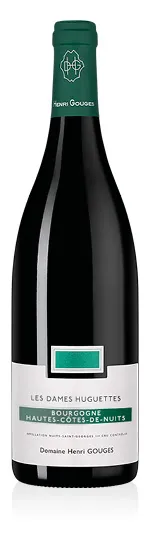
Bourgogne Hautes-Côtes-de-Nuits AOC Les Dames Huguettes 2022 Domaine Henri Gouges
Domaine Henri Gouges, Nuits-Saint-Georges France Burgundy Nuits-Saint-Georges 2020, 6 x 0,75 ℓ bottles


Domaine Henri Gouges, Nuits-Saint-Georges France Burgundy Nuits-Saint-Georges 2021, 6 x 0,75 ℓ bottles
You may also be interested in
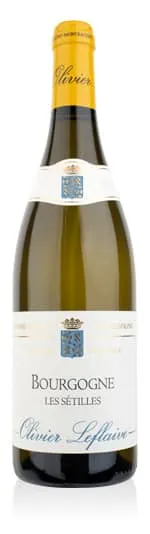
Bourgogne AOC Les Sétilles 2022 Olivier Leflaive

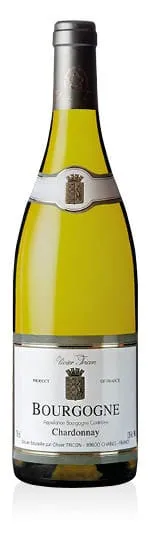
Bourgogne AOC Chardonnay 2023 Olivier Tricon
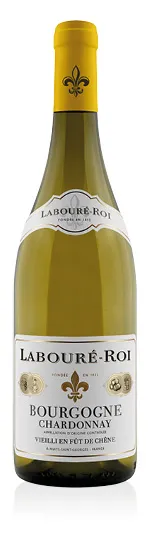
Bourgogne AOC Chardonnay Vieilli en Fût de Chêne 2024 Labouré-Roi
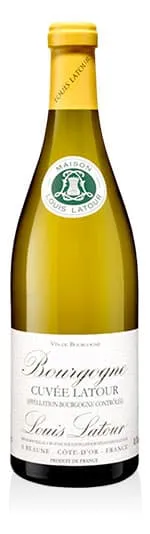
Bourgogne AOC Cuvée Latour Blanc 2024 Louis Latour

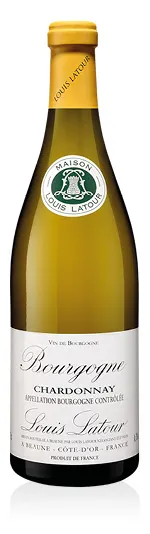
Bourgogne AOC Chardonnay 2025 Louis Latour