 View all
 Champagne
 Sparkling Wines
 Red Wines
 White Wines
 Rosé Wines
 Alcohol-free
 Bag in box
 Fortified Wines
 Passito Wines
 Cocktails
 Gin
Gin
 Liqueur
 Whisky
 Rum
Rum
 Grappa
 Alcohol-free
 Brandy
 Eau de vie
 Tequila
 Vodka
Vodka
 Mixology
 Beers
Beers
 Olive Oil
 Vinegar
 Accessories


Product details
Description
What kind of wine is it
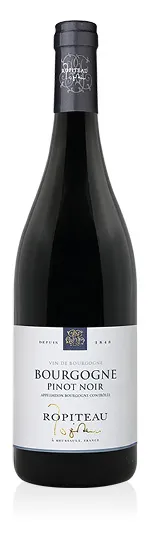
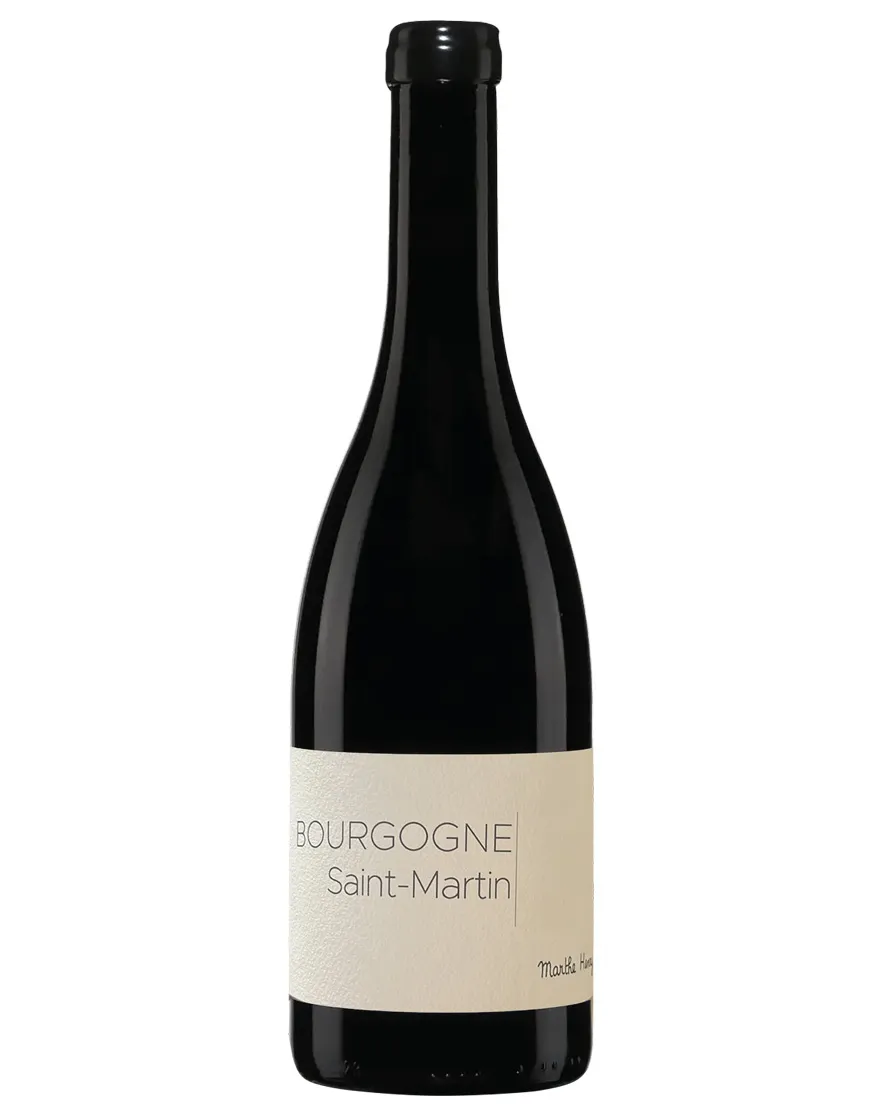
Bourgogne Saint-Martin by Marthe Henry is a dry red from Burgundy made from Pinot Noir. The style shows a fresh and elegant profile, with medium body, fine tannins, and well-defined fruity and spicy aromas. Winemaking follows a low-intervention approach, with spontaneous fermentation and maturation in used oak barrels on fine lees, to preserve aromatic precision and enhance the character of the terroir. This red wine is suitable for immediate consumption as well as bottle aging, offering versatility at the table that reflects its origin.
Where it comes from
The wine originates in the Côte de Beaune in Burgundy, from grapes grown in the village of Saint-Martin on grey marl soils. This ground ensures balanced drainage and water retention, with finer tannins and a sense of freshness. The continental climate, with significant temperature variations, helps the Pinot Noir maintain acidity and aromatic clarity. Different altitudes and exposures modulate ripening and structure, resulting in wines that are linear and faithful to the identity of their territory.
How it is produced
The Pinot Noir grapes are harvested and undergo spontaneous fermentation with indigenous yeasts. Skin maceration is carefully managed to achieve a bright ruby colour, silky tannins, and fruit integrity. After fermentation, the wine matures in used oak barrels, so the influence of new wood remains subtle and micro-oxygenation proceeds gradually. Aging on fine lees adds volume and stability, with smoothness and aromatic precision. A sustainable approach and minimal intervention in the cellar preserve purity and expressiveness.
Tasting notes
It displays a clear ruby red colour with medium intensity typical of the grape variety. The nose reveals distinct aromas of cherry and raspberry, followed by delicate spices and light earthy undertones in keeping with the marl soils. On the palate, the entry is fresh, with lively acidity supporting a balanced body and a fine, silky tannic texture. The progression remains linear, with well-defined fruit, spicy notes returning, and a long, harmonious finish focused on precision.
Food pairings
It pairs easily with red meats that are not too fatty, roast or grilled preparations, and aged cheeses, thanks to its freshness and fine tannins. It is also suitable for cured meats and flavourful white meats, such as rabbit or guinea fowl, where the acidity cleanses the palate and the spiciness matches the dish. For a regional touch, it goes well with boeuf bourguignon—a classic Burgundy recipe—or coq au vin, or a platter of mature Comté, balancing succulence and persistence.
When to serve it
It is ideal in intermediate seasons and in winter, when you seek an elegant yet not heavy wine, able to complement structured dishes with balance. Serve at 14–16 °C in a large glass. A brief decanting helps express its spicy notes and better define the fruit. Enjoyable when young for its freshness, it can also age in the cellar, gaining complexity and integration. The optimal drinking window is within 5–8 years from bottling, with finesse and liveliness preserved.
7 products of Marthe Henry View all
7 products of Marthe Henry


Bourgogne AOC Montagny Blanc 2021 Marthe Henry
Saint-Romain AOC Perrière 2021 Marthe Henry
Meursault AOC Sous la Velle 2021 Marthe Henry
You may also be interested in
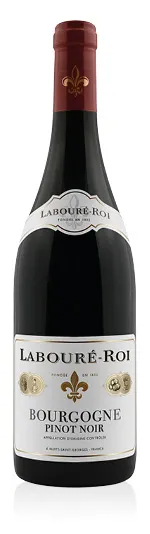
Bourgogne AOC Pinot Noir 2024 Labouré-Roi
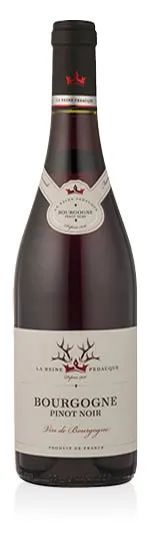
Bourgogne AOC Pinot Noir 2024 Reine Pédauque
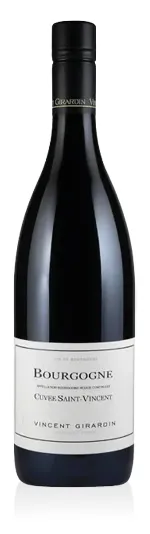
Bourgogne AOC Pinot Noir Cuvée Saint Vincent 2021 Vincent Girardin
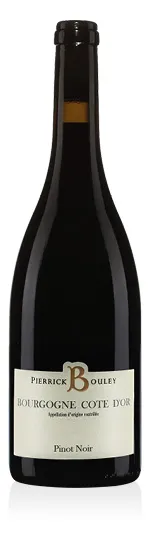
Bourgogne Côte d'Or AOC Pinot Noir 2022 Pierrick Bouley
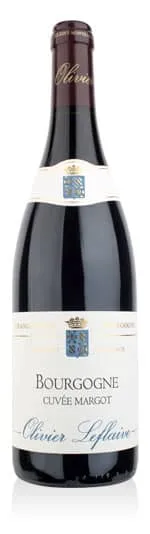
Bourgogne AOC Cuvée Margot 2022 Olivier Leflaive