 View all
 Champagne
 Sparkling Wines
 Red Wines
 White Wines
 Rosé Wines
 Alcohol-free
 Bag in box
 Fortified Wines
 Passito Wines
 Cocktails
 Gin
Gin
 Liqueur
 Whisky
 Rum
Rum
 Grappa
 Alcohol-free
 Brandy
 Eau de vie
 Tequila
 Vodka
Vodka
 Mixology
 Beers
Beers
 Olive Oil
 Vinegar
 Accessories


Product details
Description
What kind of wine is it
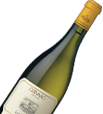
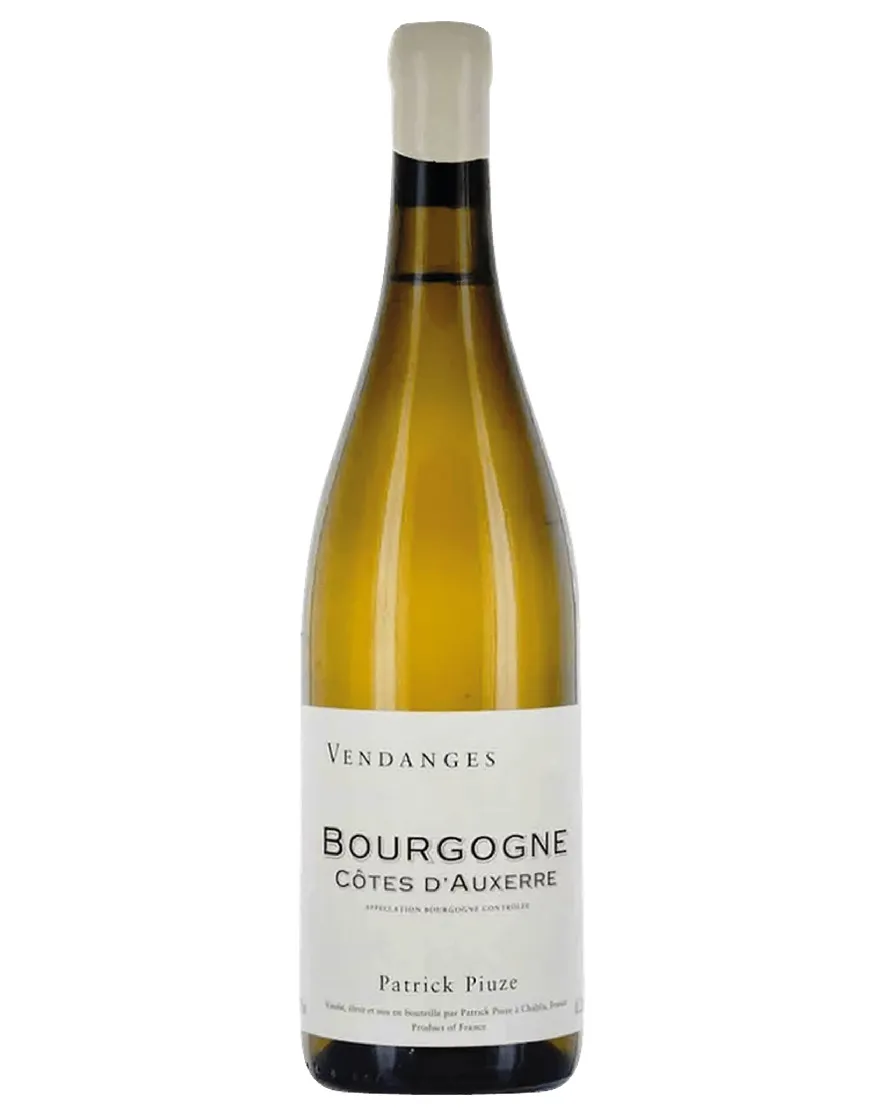
Bourgogne Côtes d’Auxerre by Patrick Piuze is a dry white made from Chardonnay, from the northern part of Burgundy near Chablis. The profile shows freshness, aromatic precision, and a clear mineral mark. Winemaking involves fermentation with indigenous yeasts and aging on fine lees, divided between steel and used barrels, to preserve the clarity of the fruit and add a slight roundness.
Where it comes from
The Bourgogne Côtes d’Auxerre designation is located in Yonne, in northern Burgundy, on hills overlooking the Yonne valley. The cool climate allows for slow ripening and preserves natural acidity and defined aromas. Vineyards grow on limestone-marl soils that offer savoriness and a chalky sensation, while airy exposures and local breezes preserve linearity and precision.
How it is produced
Harvesting is done by hand with low yields and sustainable management focused on quality. After pressing, fermentation proceeds with indigenous yeasts to express the character of the terroir. Aging on the fine lees takes place in both steel and used barrels for an appropriate amount of time, so the wine gains consistency without covering the mineral component. Bottling is carried out without fining or filtration.
Tasting notes
The color is straw yellow with greenish highlights, typical of Chardonnay from a cool climate. On the nose, you'll find citrus, white flowers, golden apple, and a note of wet stone, with a slight lactic hint tied to the work on the fine lees. The palate is lively, with crisp acidity, marked savoriness, and a fine weave; the finish is long, dry, and mineral.
Best pairings
The wine's freshness and savoriness go well with shellfish and mollusks such as prawns, langoustines, and scallops, as well as fatty fish like salmon and mackerel, especially when simply prepared. It also pairs well with delicate white meats such as chicken or rabbit in light preparations. In French cuisine, it elevates dishes like sole meunière or coquilles Saint-Jacques, where butter finds balance in its acidity.
Serving tips
Perfect as a table white for refined aperitifs and seafood first courses, and suitable throughout the meal when you want precision and cleanliness. Serve between 10 and 12 °C in a medium-sized glass. Let the wine breathe for a few minutes to enhance its mineral side. The structure and lees aging offer good aging potential: it is vibrant when young and gains greater harmony after a few years in the cellar.
7 products of Patrick Piuze View all
7 products of Patrick Piuze


Chablis AOC 1er Cru Vaulorent 2022 Patrick Piuze
Bourgogne Tonnerre AOC Les Boutots 2023 Patrick Piuze
Petit Chablis AOC Fortis 2023 Patrick Piuze
You may also be interested in


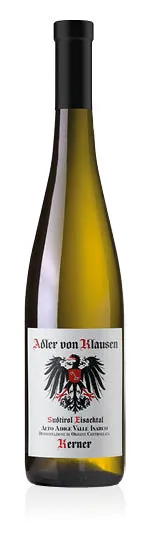
Südtirol - Alto Adige Valle Isarco DOC Kerner 2025 Adler von Klausen
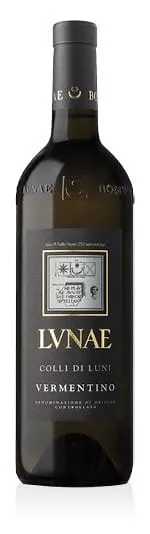
Colli di Luni DOC Vermentino Etichetta Nera 2025 Lunae
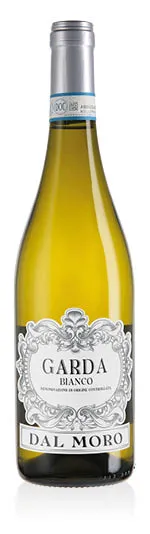
Garda DOC Bianco 2025 Dal Moro
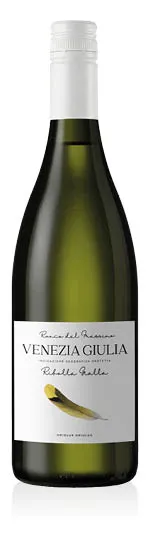
Venezia Giulia IGT Ribolla Gialla 2025 Ronco del Frassino
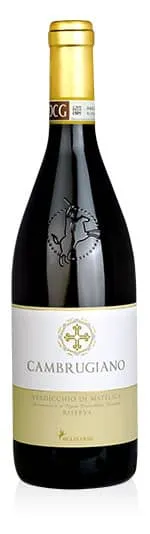
Verdicchio di Matelica Riserva DOCG Cambrugiano 2023 Belisario