 View all
 Champagne
 Sparkling Wines
 Red Wines
 White Wines
 Rosé Wines
 Alcohol-free
 Bag in box
 Fortified Wines
 Passito Wines
 Cocktails
 Gin
Gin
 Liqueur
 Whisky
 Rum
Rum
 Grappa
 Alcohol-free
 Brandy
 Eau de vie
 Tequila
 Vodka
Vodka
 Mixology
 Beers
Beers
 Olive Oil
 Vinegar
 Accessories


Product details
Description
What type of wine is it
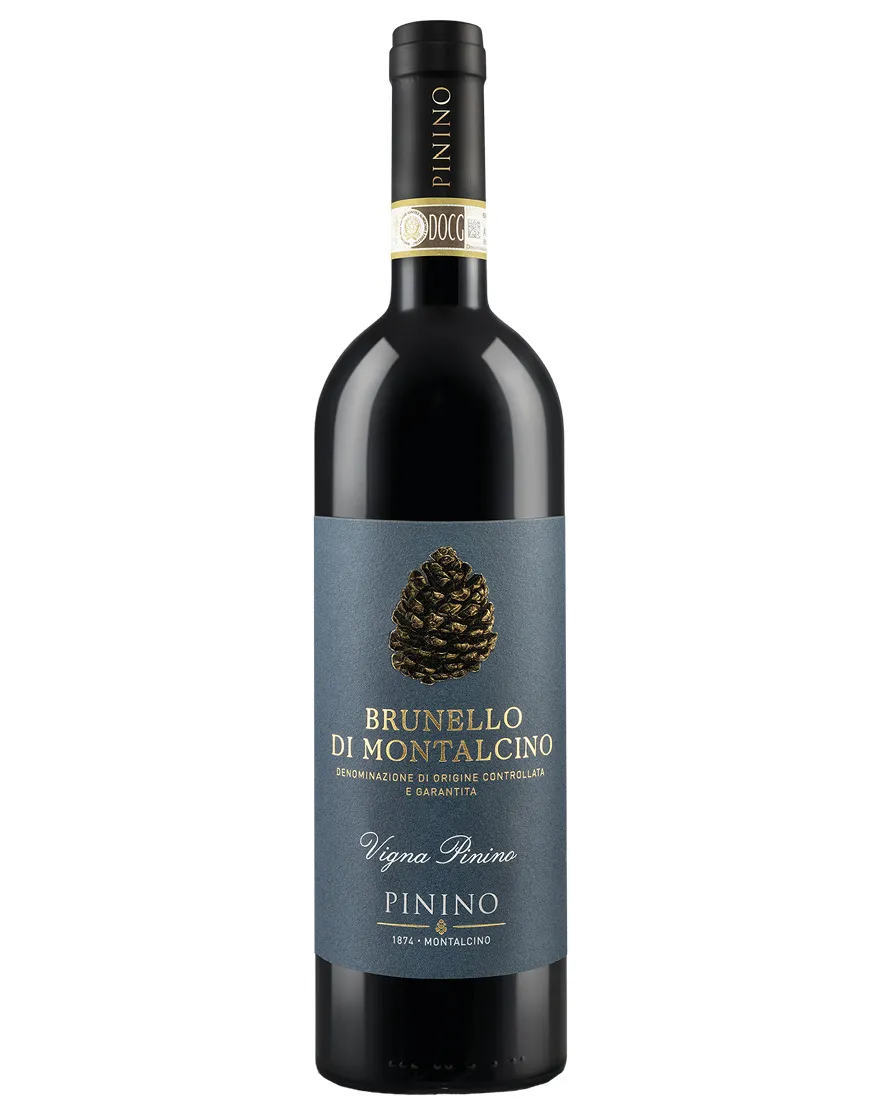
Brunello di Montalcino Vigna Pinino by Pinino is a still red wine made exclusively from Sangiovese Grosso grown in Montalcino. It is presented as the estate’s cru, boasting an elegant profile and a structure that supports long evolution. Vinification takes place in steel with a prolonged maceration on the skins, and ageing in Slavonian oak barrels lends verticality, precision, and complexity. The palate reveals ripe red fruit, delicate spices, and a persistent finish.
Where does it come from
The grapes come from the Pinino vineyard, in the northern area of Montalcino at 284 metres above sea level. The south-east exposure ensures constant sunlight during the cooler hours, while soils rich in stones, galestro, and alberese favour optimal drainage and controlled water stress. These conditions enhance aromatic concentration and tannic definition for a profile of finesse and depth.
How is it produced
Harvesting is manual at the end of September with careful selection of the bunches. After destemming, fermentation takes place in stainless steel vats at a controlled temperature to preserve aromatic purity. Maceration on the skins lasts from 18 to 25 days, gradually extracting colour and polyphenols. Ageing continues for at least 30 months in Slavonian oak barrels, then the wine rests in the bottle to harmonise its components.
Tasting notes
In the glass, it shows a deep ruby red colour, with garnet highlights developing over time. The nose is clean and defined, with cherry, black cherry, currant, and raspberry, enriched by subtle woody notes and delicate spices. The palate reveals velvety tannins and a marked verticality, with freshness balancing the structure. The finish is long, with lingering fruity echoes and a savoury texture that invites another sip.
Food pairings
This Brunello pairs well with hearty roasts, oven-baked red meats, and game dishes, where structure and tannins enhance the texture and succulence. It also works with aged cheeses like long-matured Tuscan pecorino and rich meat sauces. Locally, it is perfect with Florentine steak or braised wild boar, where persistence and the savoury element shine. It’s also excellent with jugged hare for more intense pairings.
When to serve it
Suitable for special occasions and structured dishes, it is also enjoyable on its own for those seeking a defined red. Serve at about 18°C in large glasses. A brief aeration or decanting helps open up the aromatic profile and soften the tannic texture. Thanks to its acidity and structure, it is suitable for ageing and can evolve for many years, developing tertiary complexity while maintaining gustatory balance.
2 products of Pinino View all
2 products of Pinino


Brunello di Montalcino DOCG 2020 Pinino
Rosso di Montalcino DOC 2022 Pinino
You may also be interested in

Brunello di Montalcino Riserva DOCG 2020 Pian del Prete
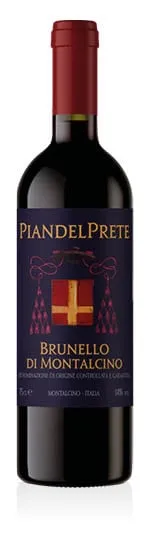
Brunello di Montalcino DOCG 2020 Pian del Prete


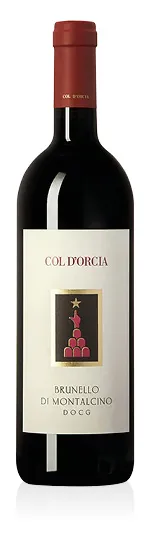
Brunello di Montalcino DOCG 2021 Col d'Orcia
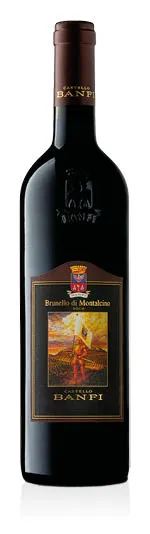
Brunello di Montalcino DOCG 2021 Banfi
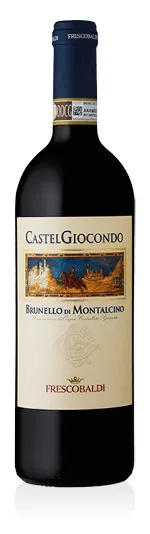
Brunello di Montalcino DOCG Castelgiocondo 2020 Frescobaldi