 View all
 Champagne
 Sparkling Wines
 Red Wines
 White Wines
 Rosé Wines
 Alcohol-free
 Bag in box
 Fortified Wines
 Passito Wines
 Cocktails
 Gin
Gin
 Liqueur
 Whisky
 Grappa
 Rum
Rum
 Alcohol-free
 Brandy
 Eau de vie
 Tequila
 Vodka
Vodka
 Mixology
 Beers
Beers
 Olive Oil
 Vinegar
 Accessories


Product details
 You can also order it by phone by speaking with us.

Description
What type of wine is it
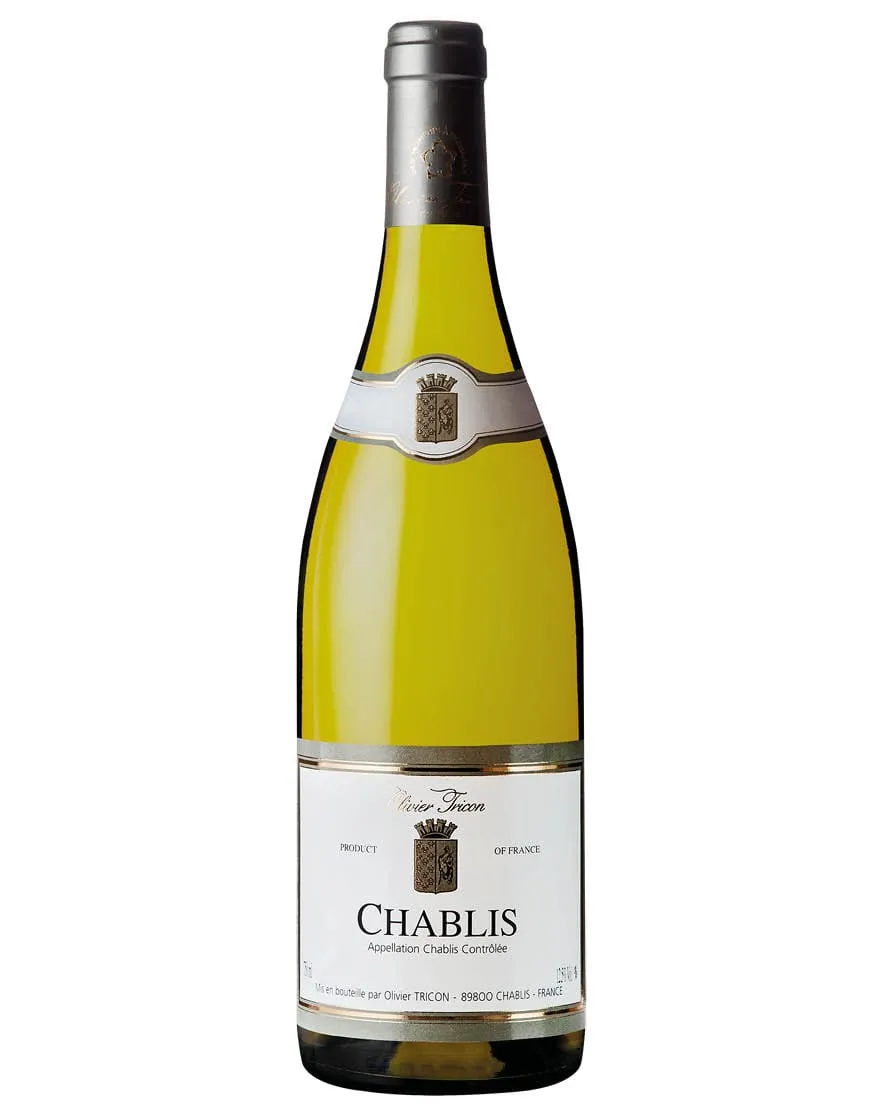
Chablis by Olivier Tricon is a white wine made from Chardonnay grapes. It belongs to the Chablis designation in northern Burgundy and displays a fresh, clean style with balanced structure and good length. The winemaking process takes place in stainless steel, then the wine remains on the fine lees for nine months, preserving the freshness and pure aromas of the variety.
Where does it come from
Olivier Tricon's Chablis comes from Chablis in Burgundy, where the vineyards take root in Kimmeridgian soils rich in marine fossils and limestone. These soils give the wine a distinct minerality and a unique aromatic finesse. The cool continental climate, with marked temperature swings, preserves the primary aromas and allows a slow ripening of the grapes, contributing to the wine's balance and complexity.
How it is produced
The Chardonnay grapes are handpicked to maintain the quality of the berries. After a gentle pressing, the must ferments in temperature-controlled stainless steel tanks, highlighting aromatic freshness. The wine matures for nine months on the fine lees with regular bâtonnage, which enhances the structure. Malolactic fermentation does not take place, keeping the vivid acidity lively.
Tasting notes
In the glass, it shows a bright straw yellow color with greenish highlights. On the nose, notes of acacia and citrus such as lemon and grapefruit emerge, together with a mineral character of wet flint. On the palate, it is savory, well-structured and taut, with vibrant freshness, measured creaminess, and a long finish recalling citrus and saline sensations.
Food pairings
This Chablis pairs well with raw seafood appetizers, shellfish such as oysters and mussels. It is excellent with light fried dishes like calamari and shrimp, as well as fresh goat cheeses. Among regional dishes, moules marinières and salmon tartare are ideal partners, as is citrus swordfish carpaccio, all of which are enhanced by the wine's freshness.
When to serve it
Olivier Tricon's Chablis is meant to be enjoyed young, within five years of harvest, to best appreciate its vibrancy and acidity. However, thanks to its balance and minerality, the wine can evolve for a few years and gain greater complexity. It is best served at 10-12 °C, preferably between the first and fourth year, to capture its fresh and mineral character.
1 product of Olivier Tricon View all
1 product of Olivier Tricon

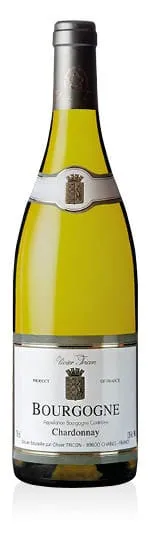
Bourgogne AOC Chardonnay 2023 Olivier Tricon
You may also be interested in

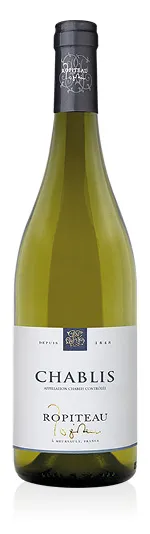
Chablis AOC 2024 Ropiteau Frères


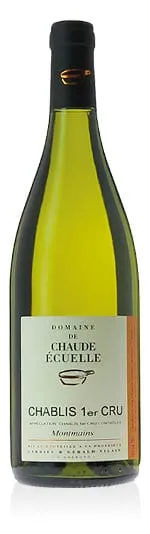
Chablis AOC 1er Cru Montmains 2024 Domaine de Chaude Écuelle
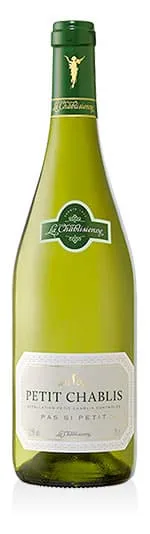
Petit Chablis AOC Pas Si Petit 2024 La Chablisienne
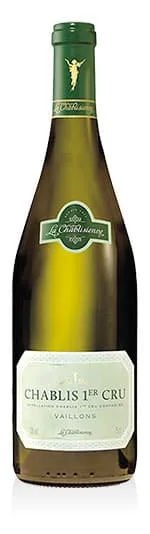
Chablis Premier Cru Vaillons AOC 2022 La Chablisienne


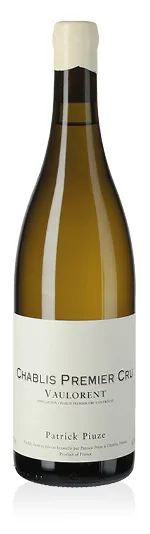
Chablis AOC 1er Cru Vaulorent 2022 Patrick Piuze