 View all
 Champagne
 Sparkling Wines
 Red Wines
 White Wines
 Rosé Wines
 Alcohol-free
 Bag in box
 Fortified Wines
 Passito Wines
 Cocktails
 Gin
Gin
 Liqueur
 Whisky
 Rum
Rum
 Grappa
 Alcohol-free
 Brandy
 Eau de vie
 Tequila
 Vodka
Vodka
 Mixology
 Beers
Beers
 Olive Oil
 Vinegar
 Accessories


Product details
Description
What kind of wine is it
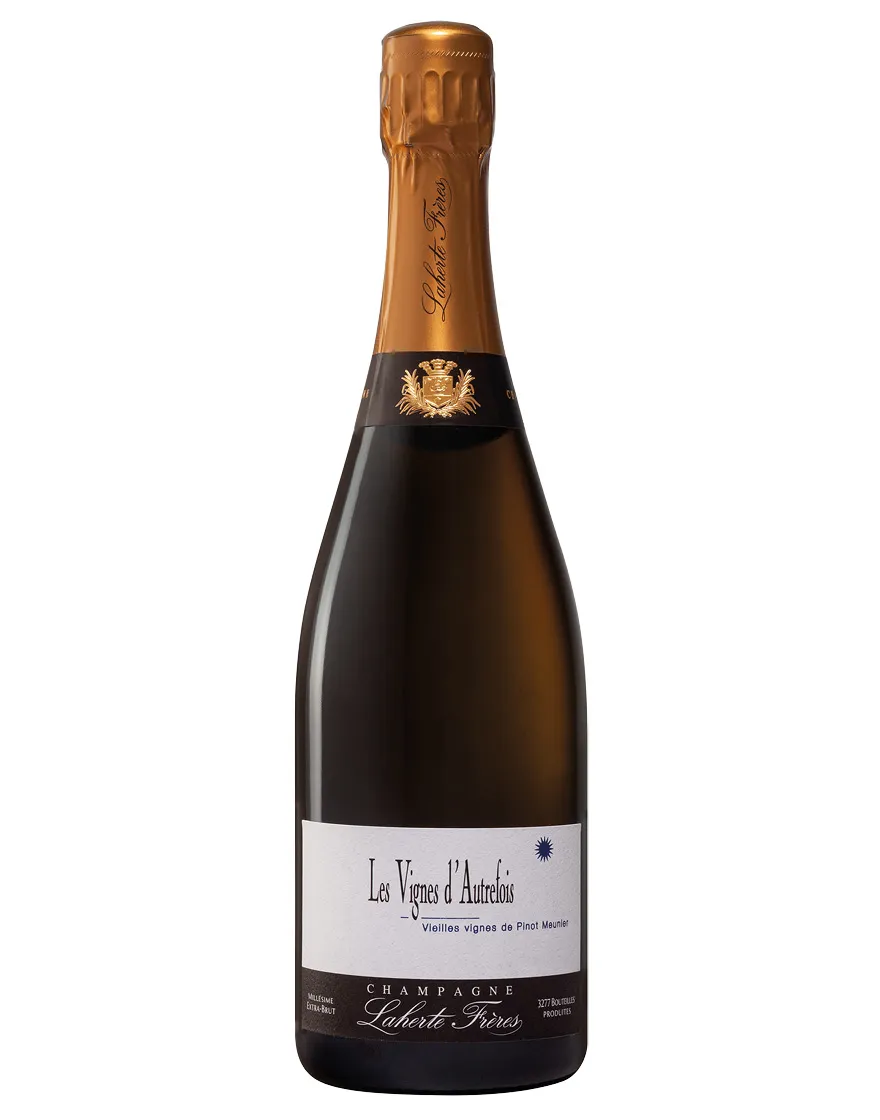
Les Vignes d’Autrefois by Laherte Frères is an Extra Brut Champagne made from Pinot Meunier sourced from Champagne’s old vines. The style is dry, taut, and structured, with marked freshness and a pronounced mineral texture. The secondary fermentation is carried out by the Traditional Method, while the winemaking process includes fermentation in barriques, no malolactic fermentation, and a lengthy aging on fine lees, resulting in a coherent and precise profile.
Where does it come from
The parcels are located in Chavot and Mancy, in the Coteaux Sud d’Épernay. The soils are clayey and silty, with flint and small pebbles, over a chalky subsoil that supports the mineral sensation and vibrant acidity. The vines, planted between 1947 and 1953 and some on their own roots, represent a viticultural heritage that influences the fruit concentration and the wine’s identity.
How is it produced
Harvesting is manual and takes place at full ripeness, followed by traditional pressing. The must ferments in barriques, a choice that adds structure without distorting the profile. Malolactic fermentation is not carried out to preserve freshness and tension. Extended aging on fine lees, following the bottle refermentation typical of the Traditional Method, contributes to taste depth and complexity.
Tasting notes
In the glass, it appears bright and vibrant. The bouquet combines sweet floral notes with hints of red fruit and mineral undertones reminiscent of flint. On the palate, there is a sense of density and volume, supported by high acidity that keeps the sip lively. The finish is persistent, with echoes of red currant and rhubarb and a growing saline sensation as the wine opens up in the glass.
Food pairings
At the table, it pairs well with seafood, both raw and cooked, as its freshness and minerality complement the iodized character. It is suited to fish carpaccio and tartare, and enhances the creaminess of fresh cheeses thanks to its taut, dry profile. It is also excellent with a seafood platter and delicate preparations where precision is preferred over power.
When to serve it
It is recommended as a technical aperitif, but truly shines at the table when freshness and precision are sought in a dry wine. Serve well chilled and allow a few minutes in the glass to reveal its floral notes and mineral texture without losing vibrancy. The density of Meunier and the long lees aging offer good evolution over time.
10 products of Laherte Frères View all
10 products of Laherte Frères


Champagne AOC Extra Brut Rosé de Saignée Les Beaudiers 2020 Laherte Frères
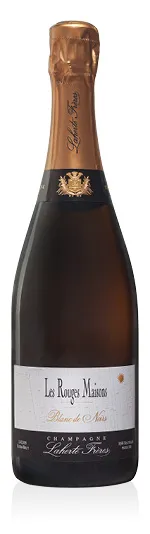
Champagne AOC Extra Brut Blanc de Noirs Les Rouges Maisons 2020 Laherte Frères


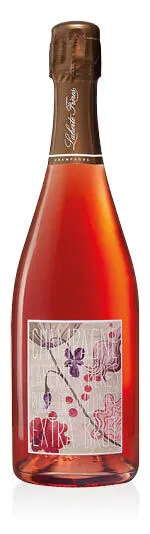
Champagne AOC Extra Brut Rosé de Meunier Laherte Frères
You may also be interested in

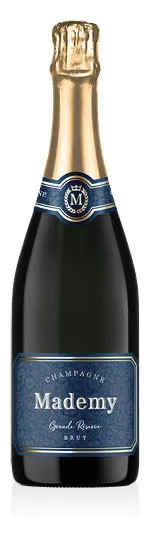
Champagne AOC Brut Grande Réserve Mademy
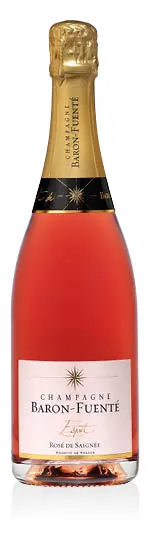
Champagne AOC Esprit Rosé de Saignée Baron-Fuenté
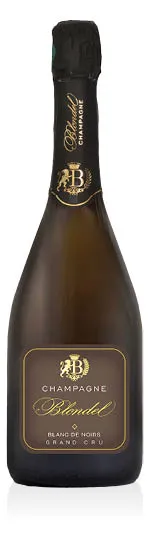
Champagne AOC Blanc de Noirs Grand Cru Brut Blondel
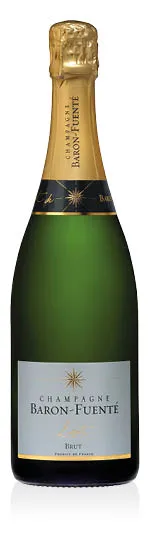
Champagne AOC Brut Esprit Baron-Fuenté
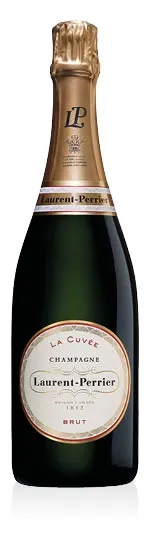
Champagne AOC Brut La Cuvée Laurent-Perrier