 View all
 Champagne
 Sparkling Wines
 Red Wines
 White Wines
 Rosé Wines
 Alcohol-free
 Bag in box
 Fortified Wines
 Passito Wines
 Cocktails
 Gin
Gin
 Liqueur
 Whisky
 Rum
Rum
 Grappa
 Alcohol-free
 Brandy
 Eau de vie
 Tequila
 Vodka
Vodka
 Mixology
 Beers
Beers
 Olive Oil
 Vinegar
 Accessories


Product details
Description
What kind of wine it is
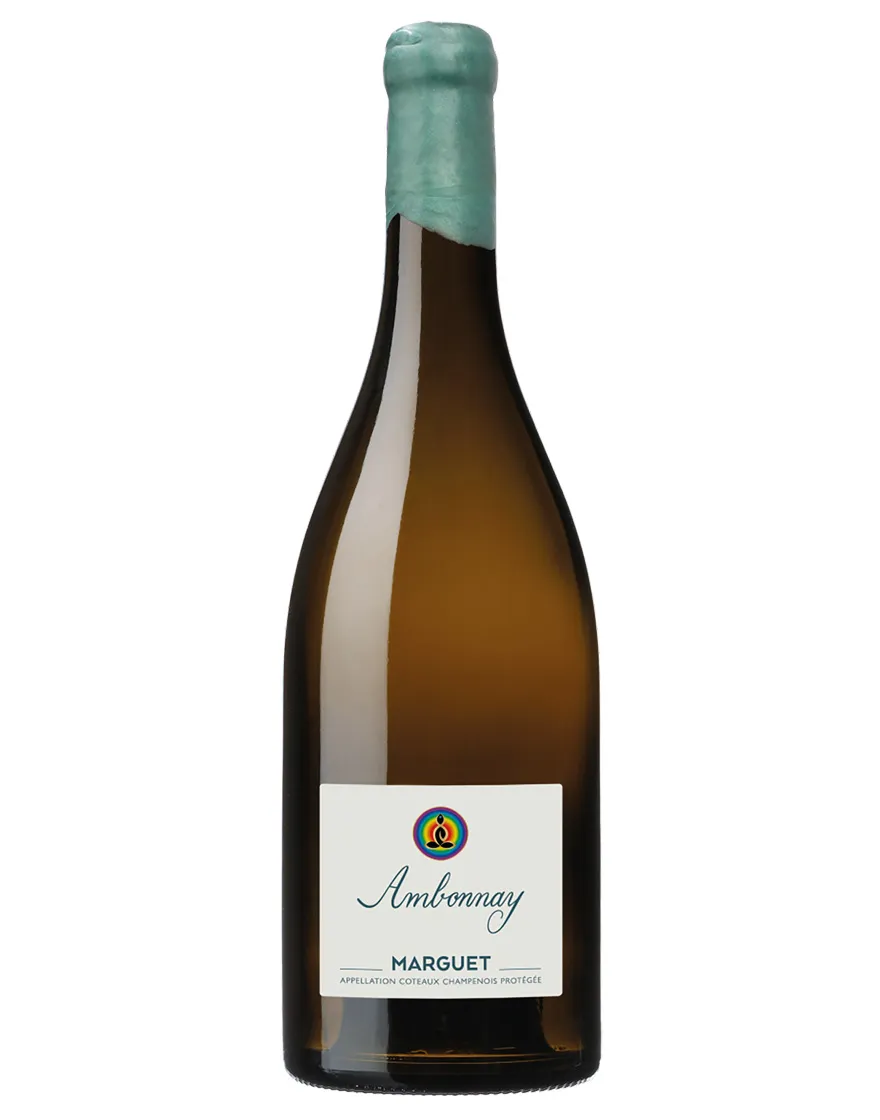
Coteaux Champenois Ambonnay Marguet is a white wine obtained from Chardonnay grapes sourced from the commune of Ambonnay, in the Montagne de Reims. It originates from the plots Les Beurys and Les Crayères, embodying the style of Coteaux Champenois with a precise profile focused on the terroir. The winemaking process includes direct pressing, fermentation in barrique, and a long period on the lees, followed by aging in oak barrels, resulting in a structured and complex white with a pronounced mineral character.
Where it comes from
The grapes come from Ambonnay, in the heart of the Montagne de Reims, Champagne. The plots Les Beurys and Les Crayères anchor the wine within a well-defined territorial context, where the chalky component is central to the tasting profile. This precise origin contributes to a clear expression of the local character, prioritizing persistence over immediacy.
How it is produced
Marguet follows a biodynamic approach both in the vineyard and in the cellar, aiming to preserve the terroir’s expression. After direct pressing of the Chardonnay grapes, fermentation takes place in barriques. The wine then rests on the lees for 19 months and completes its development with around 18 months of aging in oak barrels, building structure and aromatic depth.
Tasting notes
On the nose, there are floral aromas of apple blossom and hints of white peach, introducing a clean and well-defined profile. In the mouth, it is powerful, with fruity flavors and a hint of orange oil. The chalky aspect is intense, supporting a long and complex finish, consistent between nose and palate.
Food pairings
It naturally pairs with fish and shellfish, where its structure and mineral character accompany delicate meats and subtle seasonings. It is ideal for dishes that highlight texture and savoriness, such as quick or steamed preparations, keeping the focus on the ingredient and purity of flavor.
When to serve it
This is a white wine suited to moments when you seek intensity and precision, from seafood lunches to more structured dinners. Serve it chilled and allow it to open in the glass to reveal its floral notes and mineral weave. Its journey through barrique, lees aging, and oak suggests attentive service, allowing time and using wide glasses to enhance its complexity.
7 products of Marguet View all
7 products of Marguet


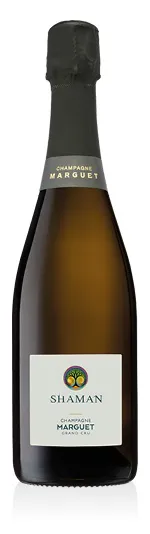
Champagne AOC Grand Cru Brut Nature Shaman 22 Marguet
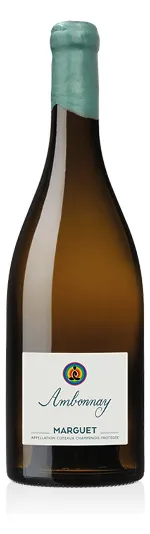
Coteaux Champenois AOC Ambonnay 2022 Marguet
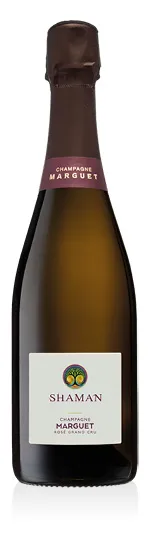
Champagne AOC Grand Cru Rosé Brut Nature Shaman 22 Marguet
You may also be interested in


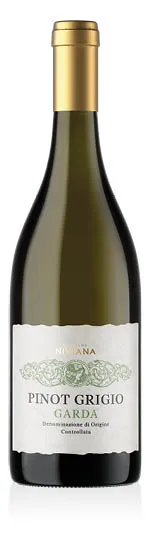
Garda DOC Pinot Grigio 2025 Niviana
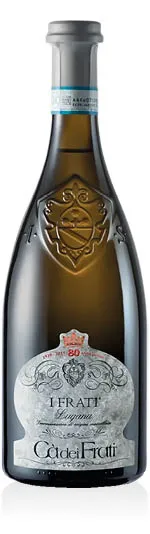
Lugana DOC I Frati 2025 Ca' dei Frati
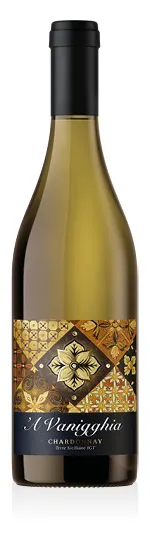
Terre Siciliane IGT Chardonnay 'A Vanigghia 2025 Li Ciuri

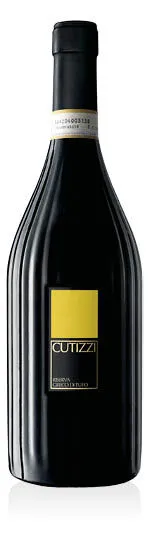
Greco di Tufo DOCG Riserva Cutizzi 2024 Feudi di San Gregorio
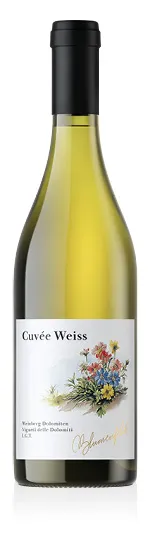
Vigneti delle Dolomiti IGT Cuvée Weiss 2024 Blumenfeld