 View all
 Champagne
 Sparkling Wines
 Red Wines
 White Wines
 Rosé Wines
 Alcohol-free
 Bag in box
 Fortified Wines
 Passito Wines
 Cocktails
 Gin
Gin
 Liqueur
 Whisky
 Grappa
 Rum
Rum
 Alcohol-free
 Brandy
 Eau de vie
 Tequila
 Vodka
Vodka
 Mixology
 Beers
Beers
 Olive Oil
 Vinegar
 Accessories
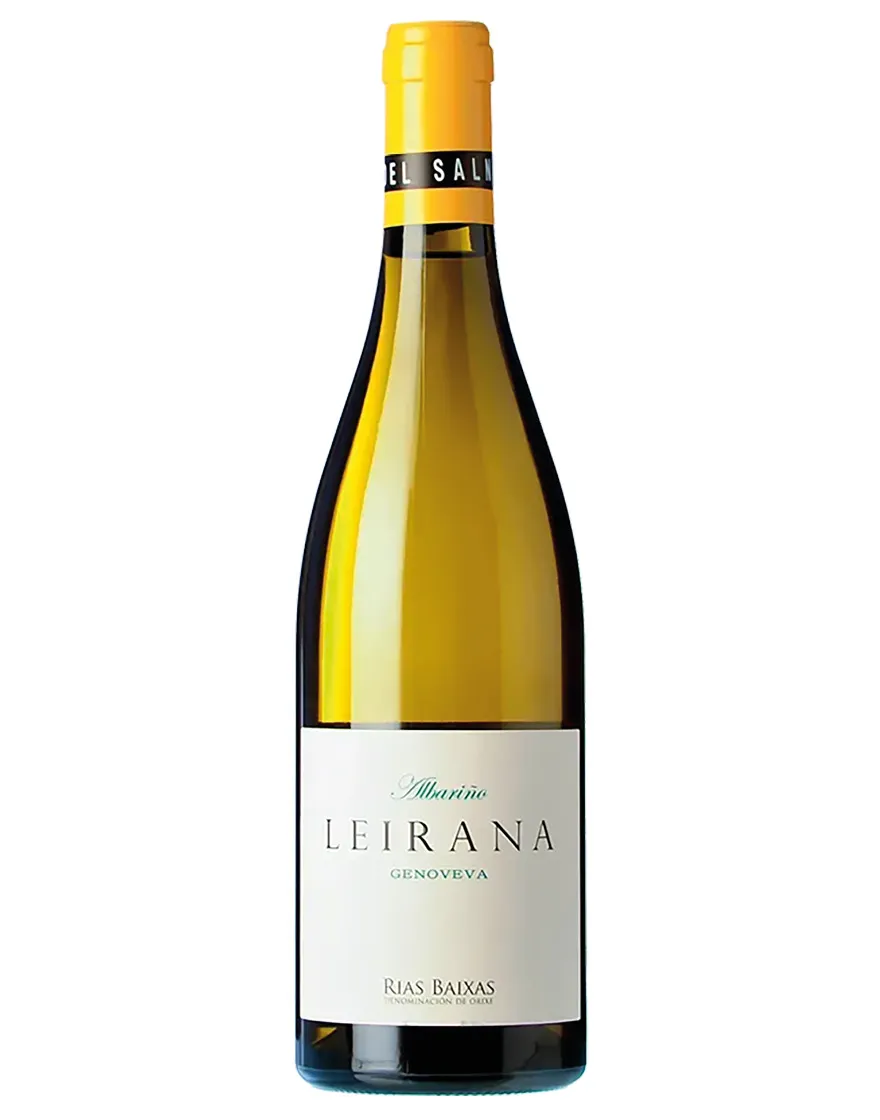


Product details

Description
What kind of wine it is
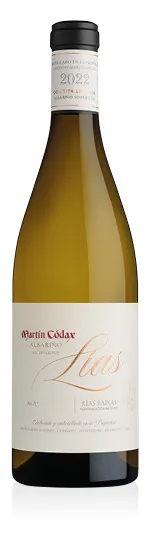
Albariño Leirana Genoveva from Forjas del Salnés is a white wine from Galicia, within the Rías Baixas denomination, made from Albariño grapes. It comes from exceptionally old vines and expresses a taut and savory style, with a defined structure and a distinct mineral imprint. The spontaneous fermentation and aging in French oak, with time on the lees and without malolactic fermentation, complete a precise profile and a creamier texture, designed for seafood cuisine.
Where it comes from
The grapes come from Galicia, in the Rías Baixas area, along Spain's coast. The vineyards, about 60 meters above sea level, are rooted in granitic soils, a factor reflected in the savory character and mineral notes of the wine. The cultivation follows an artisanal approach, respectful of local tradition, consistent with an essential and territorial expression.
How it is made
The harvest is carried out by hand to carefully select the Albariño grapes. Fermentation happens spontaneously in French oak barriques, with no temperature control, and the wine ages for 12 months in barriques. Between the fifth and seventh month, the wine remains on the lees, contributing to a richer mouthfeel. The absence of malolactic fermentation preserves freshness and vibrancy; production remains extremely limited.
Tasting notes
On the nose, the profile is complex and defined, with white flowers, citrus fruits, Mediterranean herbs and a vivid hint of wet stone. On the palate, the wine shows verticality and savoriness, with pronounced minerality and a creamier texture due to contact with fine lees, without losing precision. The finish is long, taut, and saline, with a lingering freshness and clean taste profile.
Food pairings
At the table, this wine shines with shellfish, fish tartare, and first courses based on seafood. Its savoriness and vibrant palate complement seafood dishes where the quality of the ingredients and simple seasoning take center stage, maintaining a clear and consistent taste through to the finish.
When to serve it
It's ideal when you’re looking for a technically crafted white, capable of accurately pairing with seafood cuisine and supporting more structured dishes without losing energy. The time spent on the lees and the absence of malolactic fermentation emphasize tension and body, while the saline finish makes it particularly recommended for moments where freshness and a clean aftertaste are key.
1 product of Forjas del Salnés View all
1 product of Forjas del Salnés
Rías Baixas DO Albariño Leirana 2025 Forjas del Salnés
You may also be interested in


Rías Baixas Albariño DO Coleccion 2022 Pazo Señorans
Rías Baixas DO Pazo de Seoane O' Rosal 2024 Lagar de Fornelos


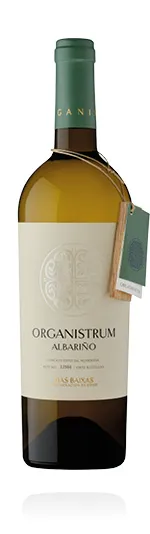
Rías Baixas DO Albariño Organistrum 2023 Martín Códax
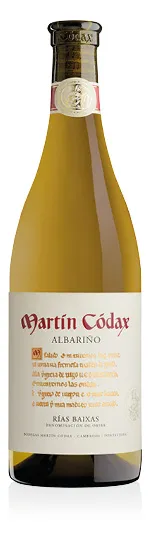
Rías Baixas DO Albariño 2025 Martín Códax
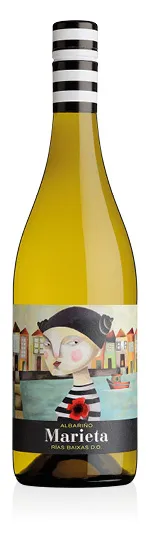
Rías Baixas DO Albariño Marieta 2025 Martín Códax