 View all
 Champagne
 Sparkling Wines
 Red Wines
 White Wines
 Rosé Wines
 Alcohol-free
 Bag in box
 Fortified Wines
 Passito Wines
 Cocktails
 Gin
Gin
 Liqueur
 Whisky
 Rum
Rum
 Grappa
 Alcohol-free
 Brandy
 Eau de vie
 Tequila
 Vodka
Vodka
 Mixology
 Beers
Beers
 Olive Oil
 Vinegar
 Accessories
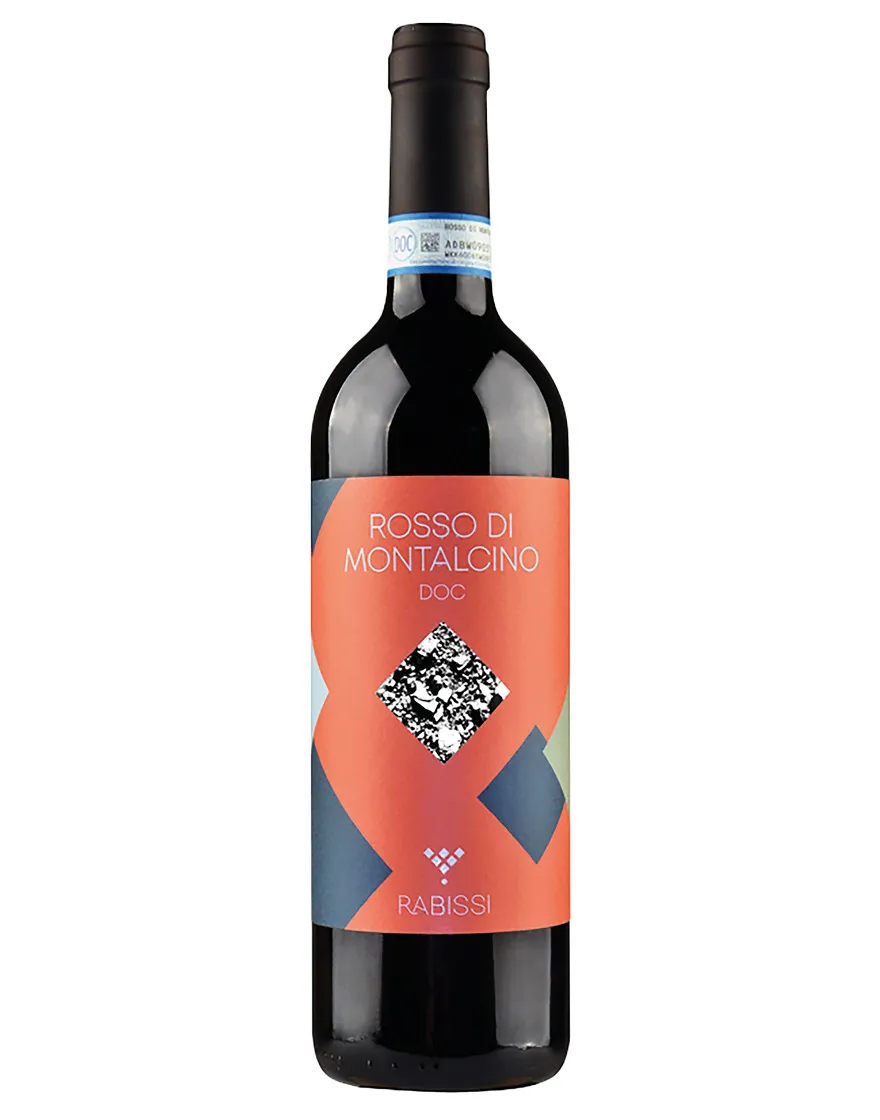


Product details
Description
What kind of wine it is
Rosso di Montalcino by Rabissi is a red wine made from Sangiovese grapes grown in Castelnuovo dell’Abate. It stands out for its balanced structure and a complexity that brings together ripe red fruit and spices. Fermentation in steel with extended maceration and aging in small oak barrels lend elegance and finesse, while the wine maintains freshness with harmonious tannins. The resulting profile is intense and persistent, suitable for those seeking depth and aging potential.
Where it comes from
This wine is produced in vineyards in Castelnuovo dell’Abate, within the Montalcino area of Tuscany. The vines are situated between 200 and 300 meters above sea level, on clayey soils. The Mediterranean climate with significant temperature swings fosters complex aromas and optimal grape ripening. The area is historically renowned for Sangiovese, which here shows structure and longevity.
How it is produced
Sangiovese grapes are hand-picked, allowing careful selection of the bunches. After destemming, alcoholic fermentation takes place in steel tanks with 10-15 days’ maceration at controlled temperatures, followed by malolactic fermentation and a period of aging in steel. Maturation continues in small oak barrels, where the wine develops greater balance, smoothness, and toasted notes before bottling.
Tasting notes
Rosso di Montalcino Rabissi displays an intense ruby red color with garnet reflections. The nose is broad, showing cherry, ripe plum and notes of vanilla, cocoa, and sweet spices from the wood aging. The palate is warm and enveloping, with well-structured tannins and a vibrant acidity that ensures persistence. The finish is long, harmonious, with echoes of spice and toasted nuances.
Food pairing
Rosso di Montalcino Rabissi pairs well with aged cured meats, liver crostini, and local pecorino cheeses. It is ideal with fresh pasta topped with meat ragù or pappardelle with wild boar, where the tannic structure enhances rich sauces. It also complements dishes like ribollita and slow-cooked beef roasts, highlighting the wine’s toasted notes.
When to serve it
The wine is appealing even in its early years thanks to its freshness and fruit. It suits convivial occasions and robust meals, offering versatility and character.
1 product of Rabissi View all
1 product of Rabissi


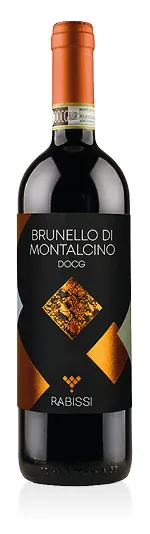
Brunello di Montalcino DOCG 2020 Rabissi
You may also be interested in


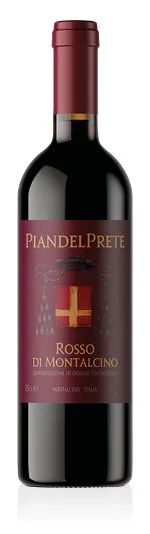
Rosso di Montalcino DOC 2022 Pian del Prete
Rosso di Montalcino DOC 2024 Pian del Prete
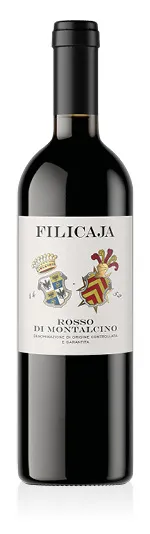
Rosso di Montalcino DOC 2023 Villa da Filicaja

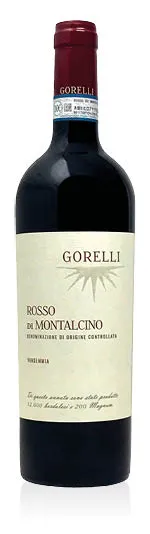
Rosso di Montalcino DOC 2023 Giuseppe Gorelli
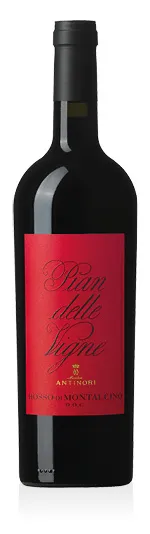
Rosso di Montalcino DOC Pian delle Vigne 2024 Marchesi Antinori