 View all
 Champagne
 Sparkling Wines
 Red Wines
 White Wines
 Rosé Wines
 Alcohol-free
 Bag in box
 Fortified Wines
 Passito Wines
 Cocktails
 Gin
Gin
 Liqueur
 Whisky
 Rum
Rum
 Grappa
 Alcohol-free
 Brandy
 Eau de vie
 Tequila
 Vodka
Vodka
 Blonde
 Red
Red
 Dark
Dark
 Amber
Amber
 Mixology
 Beers
Beers
 Olive Oil
 Vinegar
 Accessories


Product details

Description
What kind of wine it is
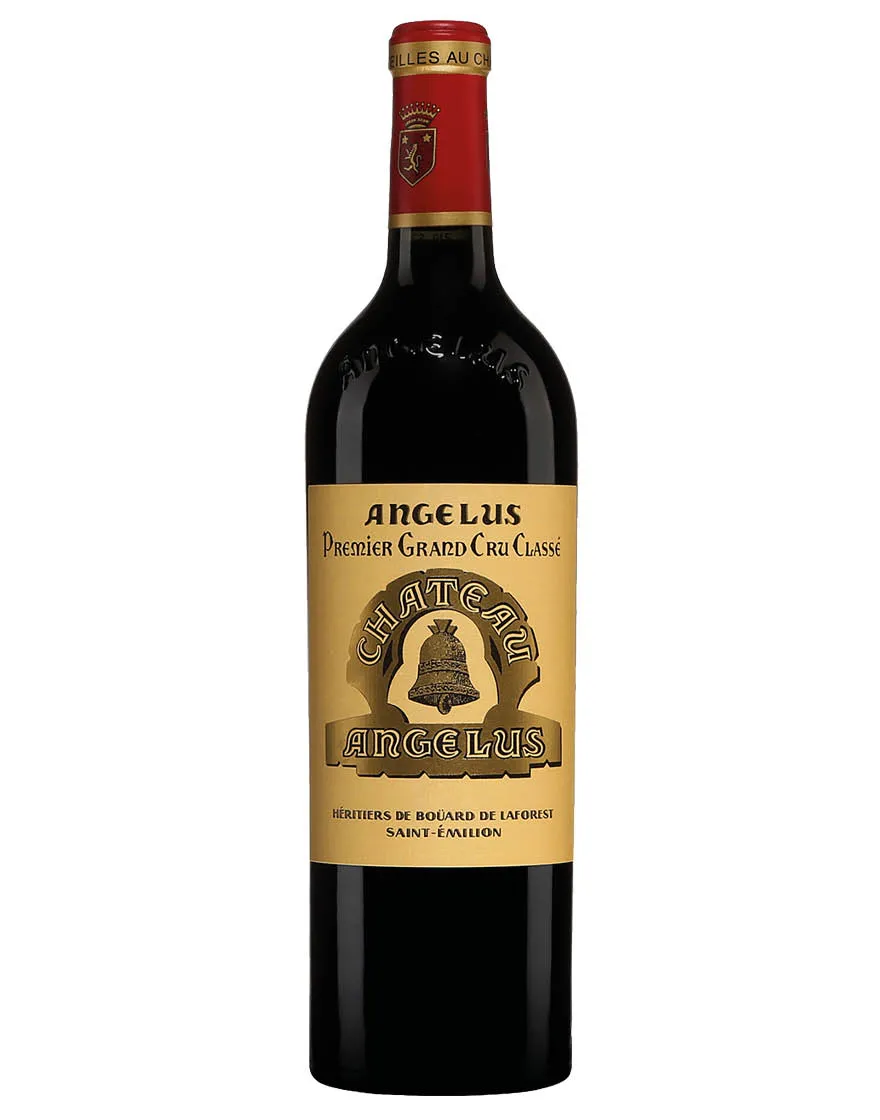
The 1er Grand Cru Classé A from Château Angelus is a Bordeaux red wine made from Merlot and Cabernet Franc grapes. The blend stands out for its full and elegant profile, suitable for aging. The winemaking process includes an initial cryomaceration phase and fermentation in cement, steel, and wooden vats, followed by aging in new French oak barrels. This results in a concentrated yet balanced style, with fine tannins and aromatic depth that develops over time.
Where it comes from
This wine is produced in Saint-Émilion, on the right bank of Bordeaux, a region historically renowned for its Merlot and Cabernet Franc blends. Château Angelus is one of the most recognized wineries of this appellation, with a long family tradition and a focus on quality.
How it's made
The grapes are brought to the cellar and subjected to cryomaceration to extract color and aromas while preserving freshness. Alcoholic fermentation can also occur with whole clusters in cement, steel, and wooden vats, with temperature control. Malolactic fermentation takes place in new French oak barrels, harmonizing acidity and tannic structure. Aging continues for 18–24 months in new French oak barrels.
Tasting notes
Deep ruby red with purple highlights in the glass. The bouquet is broad and layered, featuring notes of black fruits like blueberry, blackcurrant, and blackberry, followed by cherry, spices, and hints of toasted oak. The palate entry is silky, with a wide structure supported by velvety tannins, balancing ripe fruit and fresh acidity. The finish is long, with echoes of dark fruit and subtle balsamic nuances.
Food pairings
This wine pairs well with stewed or braised red meats and game, where its intensity and tannins are well matched. It is also ideal with aged, hard, raw-milk cheeses, thanks to its depth and persistent finish. In French cuisine, it is the perfect partner for entrecôte à la bordelaise, while classically it complements beef braised in red wine. The integrated oak supports the complexity of rich dishes without overpowering their flavors.
When to serve it
Best served at 16–18 °C, after proper aeration, so the aromas and tannins fully express themselves, especially if the wine is young. The profile also lends itself to cellaring: aging in new oak and the structure of the blend allow for slow, graceful development. Under optimal storage conditions, this wine offers a broad drinking window, with increasing tertiary notes and greater finesse over time. Ideal for important dinners and structured dishes, when precision and persistence are desired.
You may also be interested in


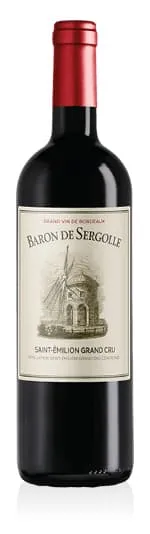
Saint-Émilion AOC Grand Cru 2023 Baron de Sergolle
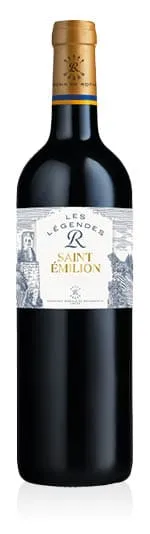
Saint-Émilion AOC Légende R 2022 Domaines Barons de Rothschild
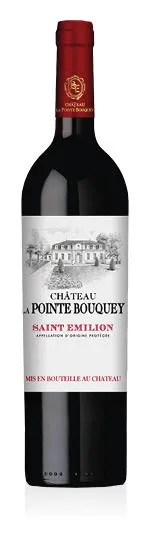
Saint-Émilion AOC 2023 Château La Pointe Bouquey


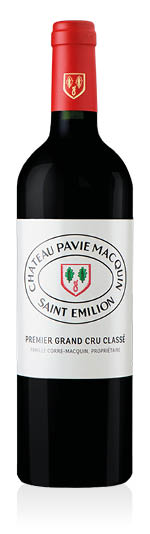
Saint-Émilion AOC 1er Grand Cru Classé B 2021 Château Pavie Macquin

Saint-Émilion Grand Cru 1er Grand Cru Classé A AOC 2021 Château Ausone